YIIK: A Postmodern RPG Thumbnail

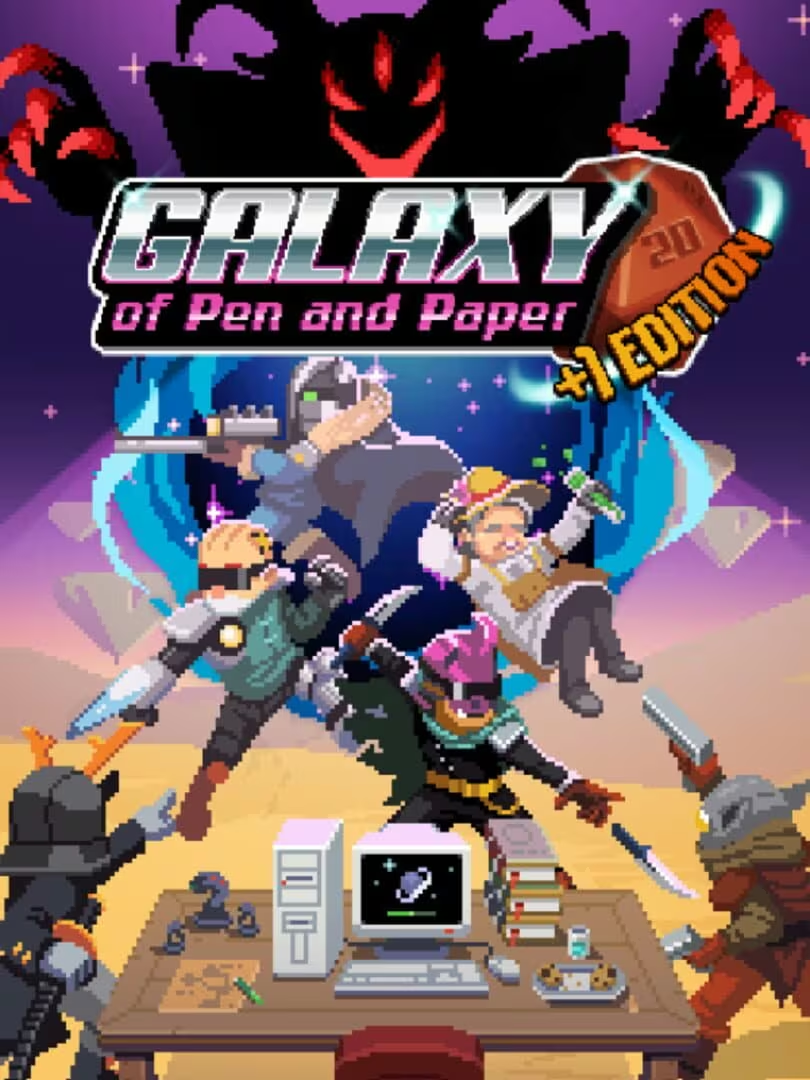
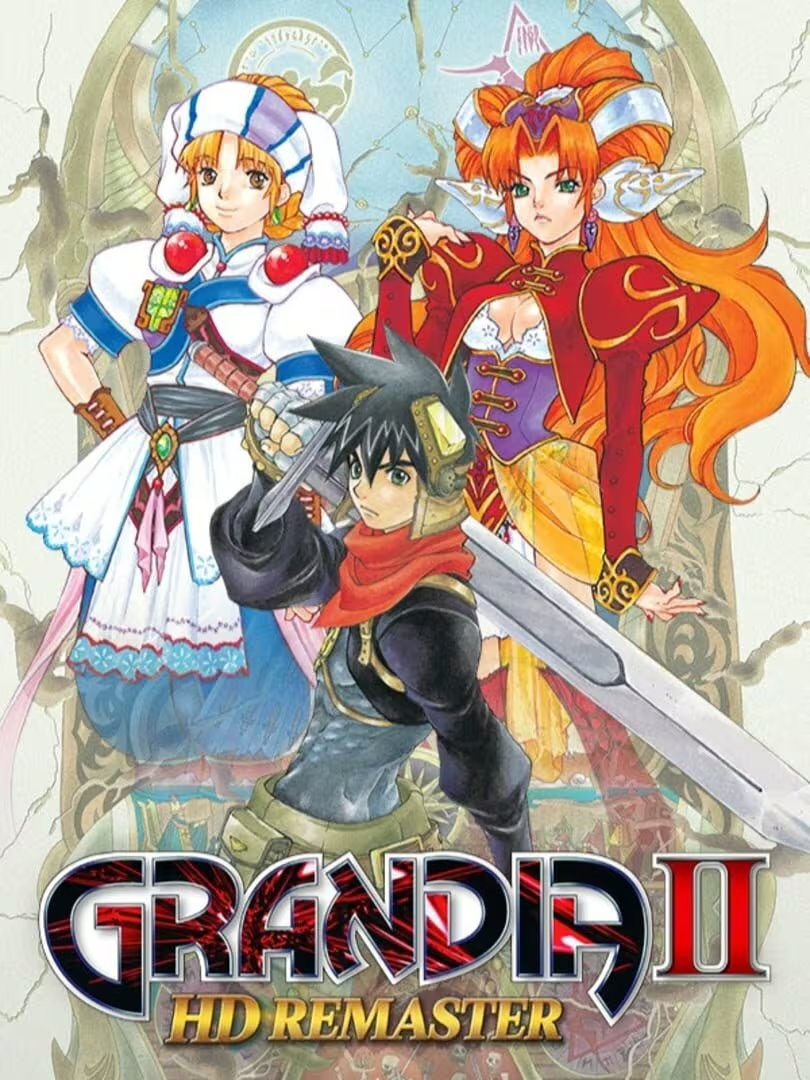
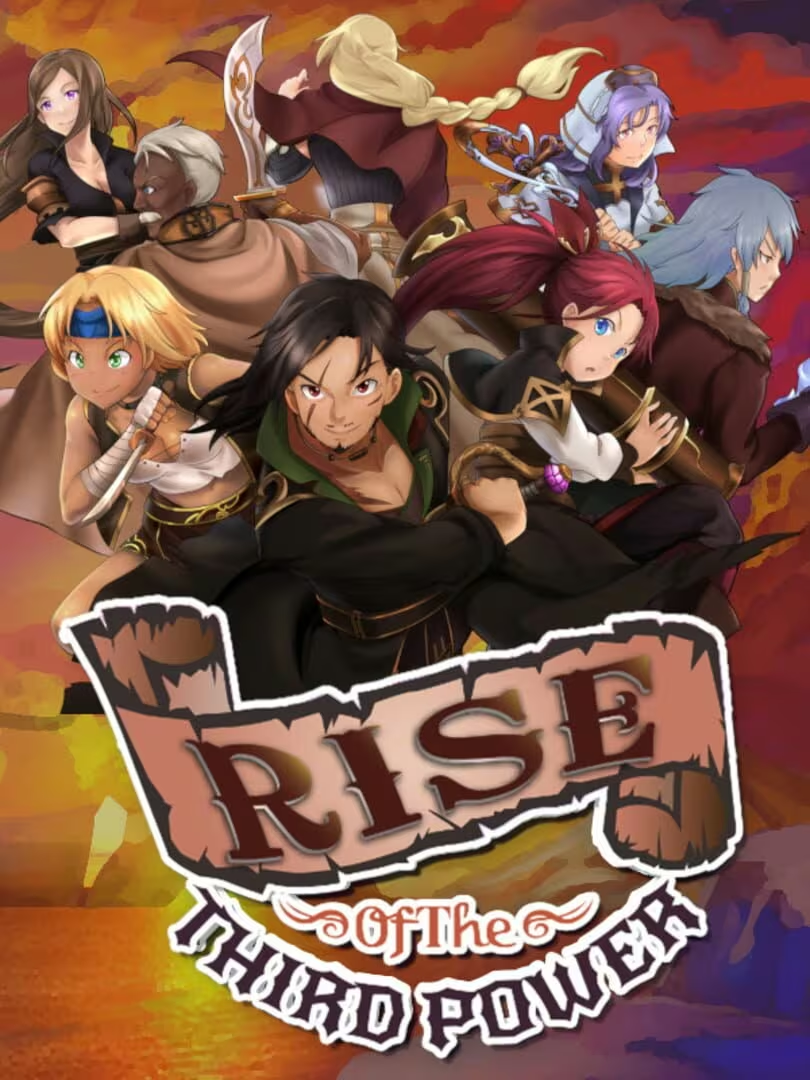
YIIK: A Postmodern RPG similar games & best alternatives
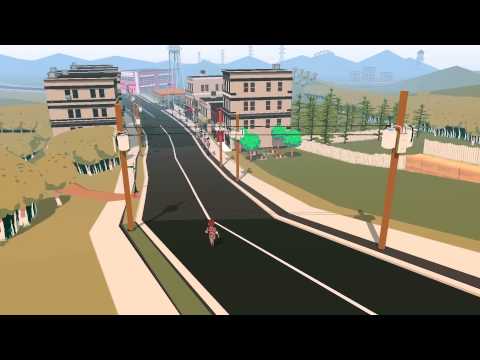
YIIK: A Postmodern RPG

PC (Microsoft Windows), Nintendo Switch, PlayStation 4, Mac • 2019

Related articles

Quick resume

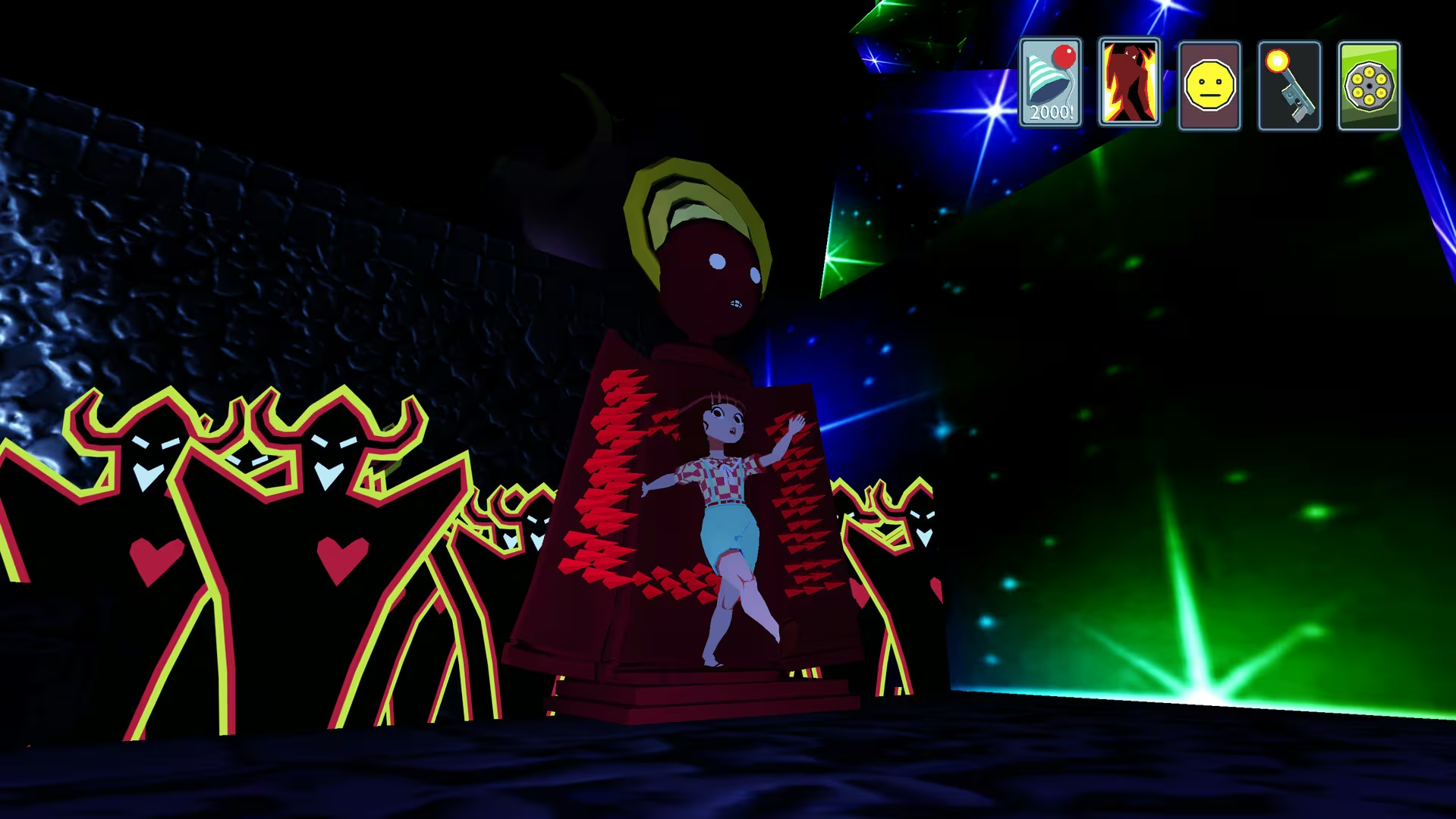
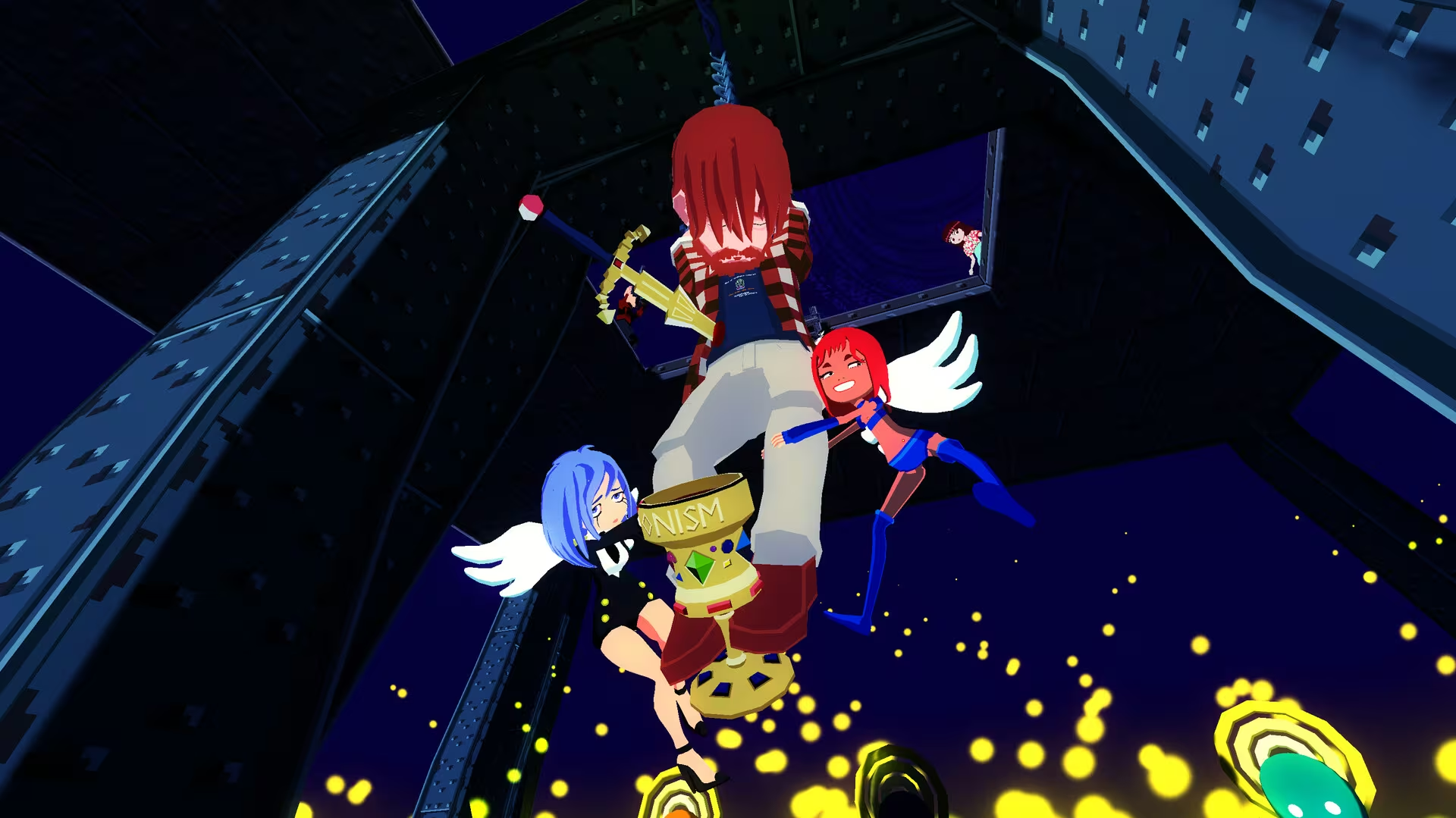
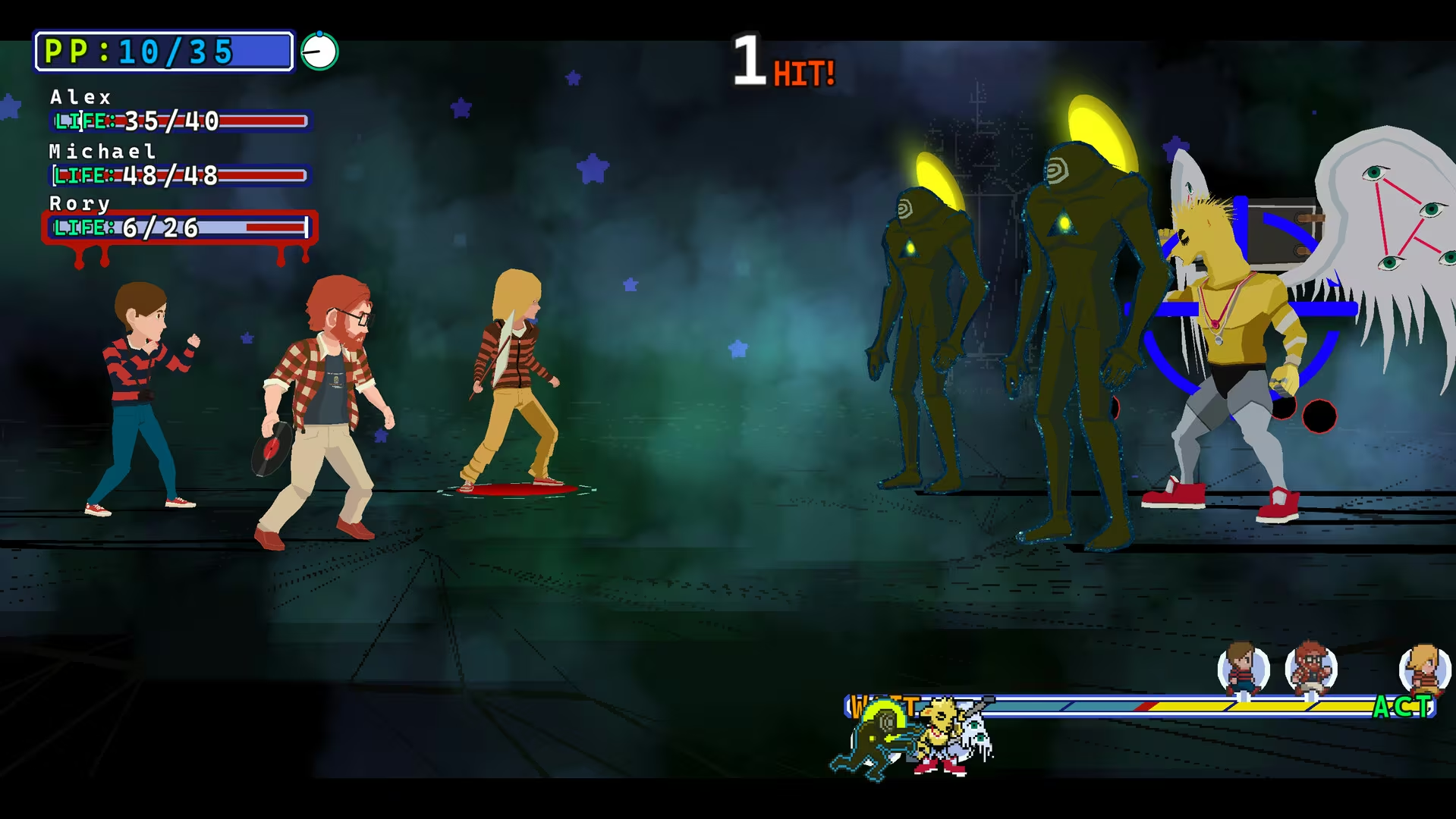
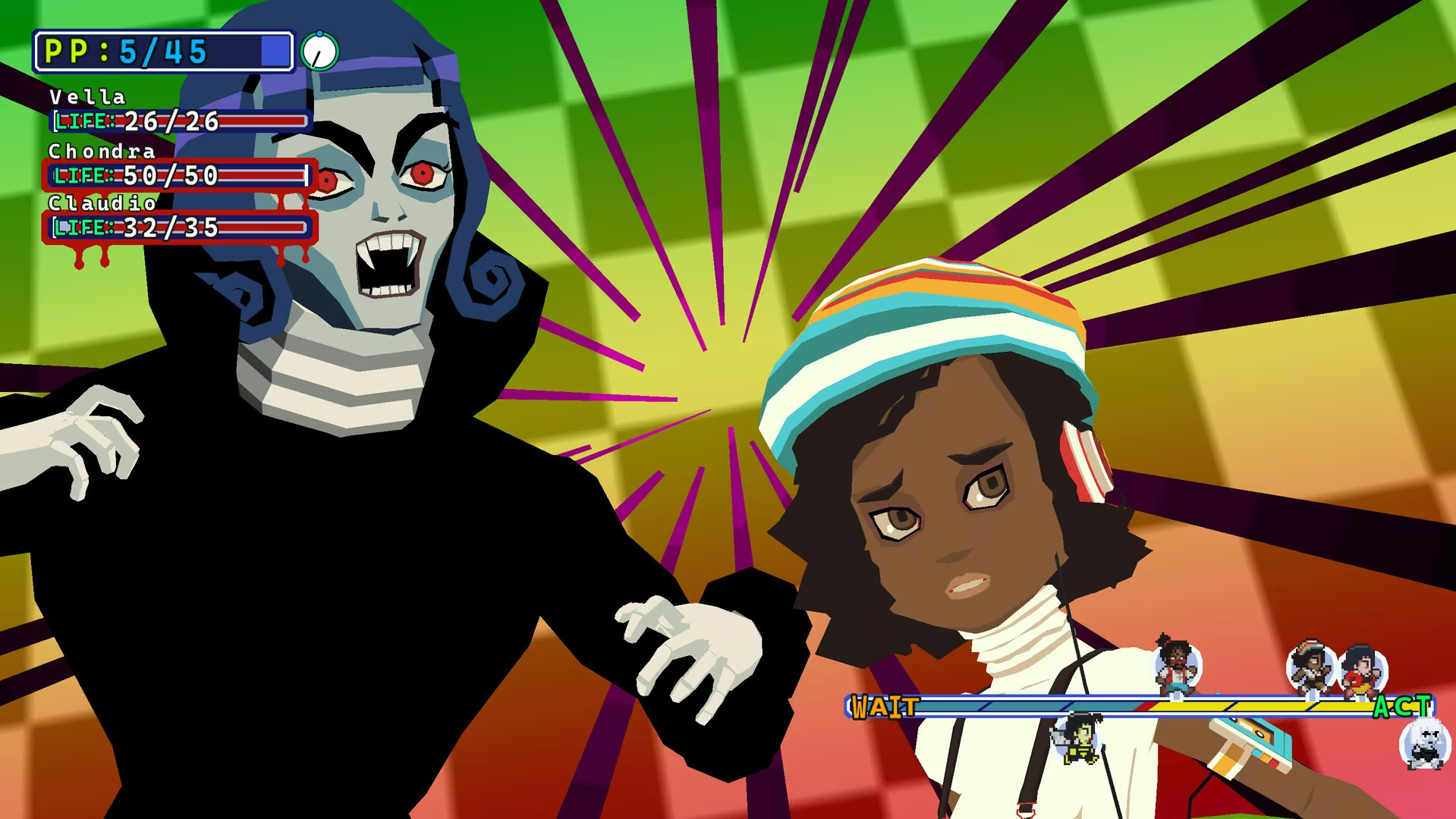
Experience YIIK: A Postmodern RPG 1.5 (I.V) update with revamped battles and cutscenes. A child relinquishes her name for a birthday invite, hoping to find her brother. Alex's reality unravels, guided by a mysterious cat, witnessing a woman vanish, igniting an obsession that threatens his world.

Global score

78/100

Genres

Indie, Role-playing (RPG), Adventure, Turn-based strategy (TBS)

Similar games

    Pros

    • Unique and imaginative story
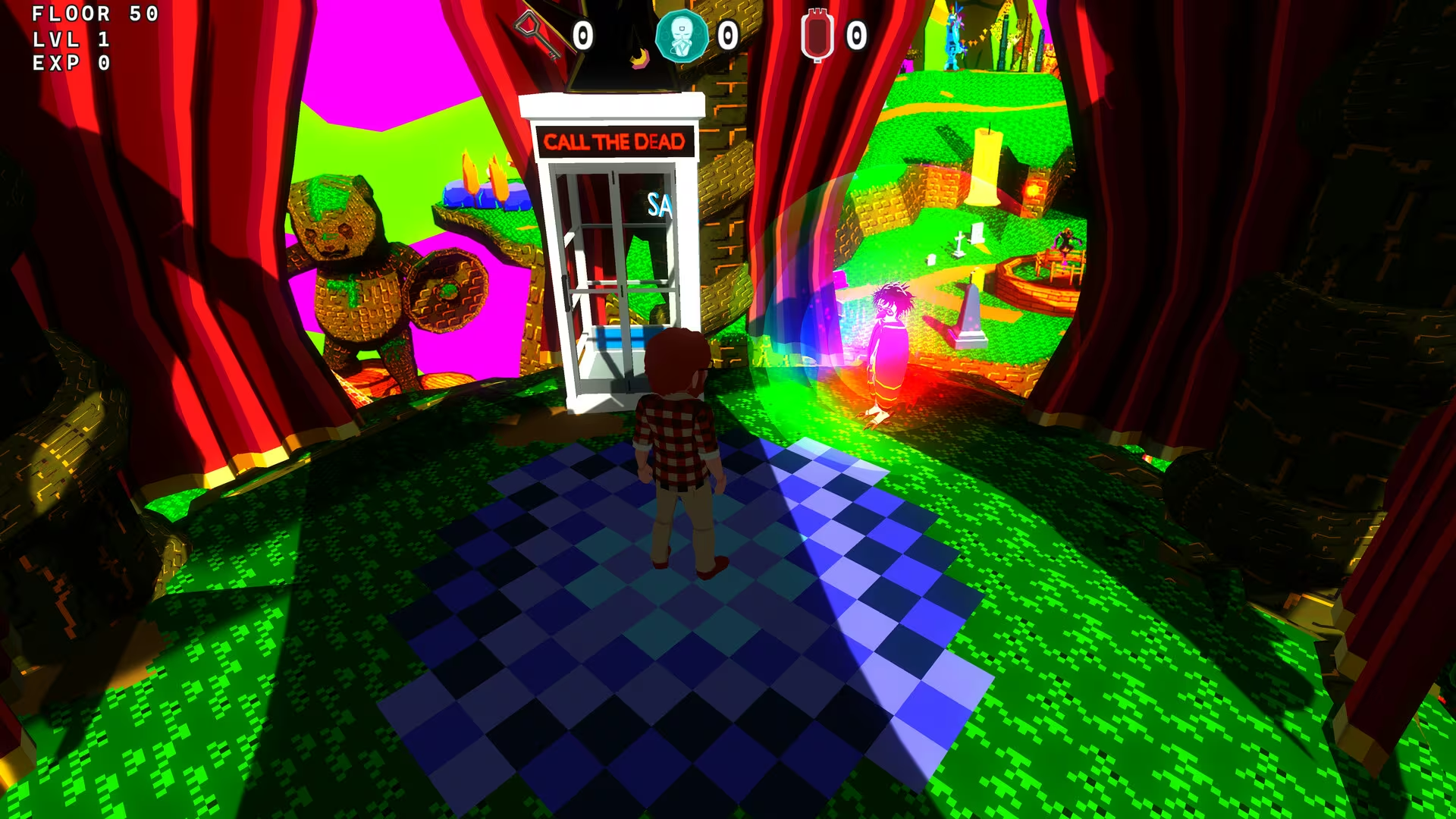
    • Creative art style and presentation
    • Engaging soundtrack
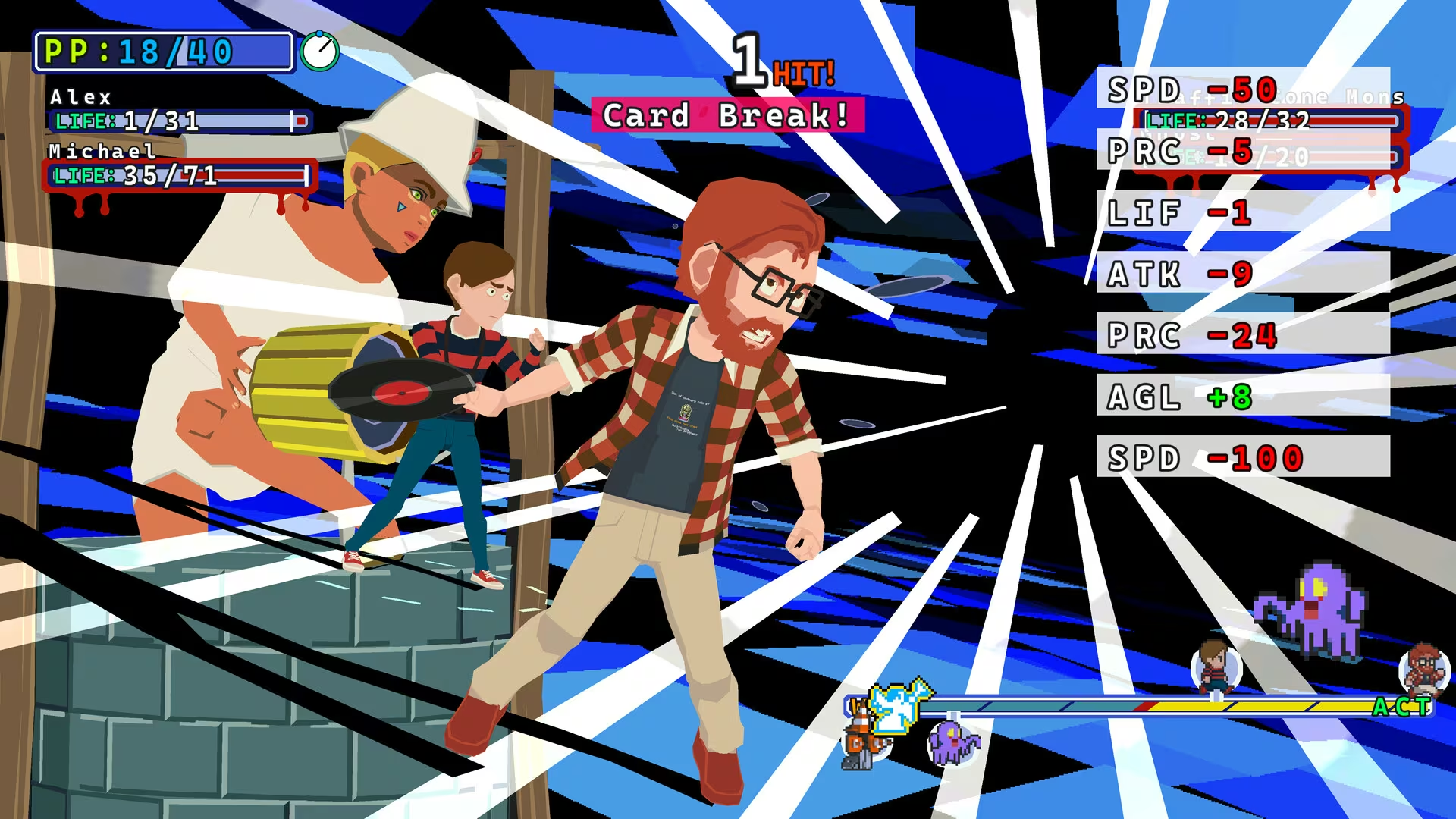
    • Improved and strategic combat system
    • Free extensive updates and content

    Cons

    • Some pacing and dialogue issues
    • Combat can be repetitive or unbalanced
    • Story complexity may confuse some players
    • Technical bugs and minor glitches
    • Limited player choice and customization

    Analysis

    Broadly representative of its motivational profile, with a few distinct shifts. Motivations that often define this kind of title include Fellowship, Cooperation, Leadership, Violence. Here, the score leans higher than usual among comparable games on Leadership, Story. It leans lower than usual among comparable games on Survival.

    How to use the graph
    Similar games map

    Each dot is a game. They are arranged from the same motivation profile as in the “Motivations” section below. Closer dots usually mean more similar reasons to play (exploration, competition, relaxation, etc.)—not that one game is “better” than another.

    • Larger dot with a light outline: the game you are viewing.
    • Colour: groups of games with comparable motivation patterns (statistical clusters).
    • Hover a dot to see the game name; click to open its page.
    • Scroll or double-click the chart to zoom out and see more games.

    Why don’t the axes read like a score? This view uses t-SNE: it only keeps who is close to whom. The scales are not “good to bad” or hours played—they separate groups on the map. Read distance between dots, not the axis numbers.

    Motivations

    • Autonomy
      3

      "Players have some freedom in combat strategy and exploration, but the narrative is mostly linear with limited player choices."

    • Competence
      2

      "Combat involves skill-based minigames and strategic use of Karta cards, though some find it repetitive and unbalanced."

    • Competition
      -4

      "Focus is on personal story and progression without competitive or ranked elements."

    • Continuation
      4

      "Players report long play sessions and repeated playthroughs, especially with the I.V update adding content."

    • Cooperation
      -3

      "Gameplay centers on single-player experience with party members but no multiplayer or cooperative play."

    • Creativity
      4

      "Highly creative narrative, art style, and combat system with unique mechanics and surreal storytelling."

    • Domination
      -5

      "No evidence of exerting control or superiority over others; interactions are balanced and story-driven."

    • Escapism
      4

      "Players use the game to immerse in a surreal, postmodern world, escaping real-life through its narrative and atmosphere."

    • Expectation
      -4

      "Players engage voluntarily out of curiosity or interest in the unique story and style, not obligation."

    • Experimenting
      3

      "The game encourages trying new combat strategies and exploring abstract story elements."

    • Exploration
      3

      "Players explore new areas, secrets, and side quests in a surreal world with some freedom."

    • Expression
      2

      "Some character customization and stat allocation, but limited cosmetic personalization."

    • Fantasy
      5

      "Strongly imaginative and surreal narrative with unreliable narrator and postmodern themes."

    • Fellowship
      -4

      "Primarily a solo experience with minimal social interaction beyond narrative party dynamics."

    • Growth
      3

      "Players develop skills in combat minigames and learn story details, with character progression."

    • Health
      -5

      "Sedentary gameplay with no physical activity or health-related features."

    • Idle
      -3

      "Requires focused attention during combat and story; not suited for background or casual play."

    • Intimacy
      -4

      "Limited to narrative relationships; no real social or emotional connections with other players."

    • Leadership
      -2

      "Players manage party members but no leadership or authority over others in multiplayer contexts."

    • Progression
      3

      "Character leveling, item acquisition, and story advancement provide a sense of progression."

    • Relaxation
      1

      "Some players find the game relaxing and immersive, others find combat tedious and pacing uneven."

    • Sensation
      3

      "Unique visuals, music, and surreal atmosphere provide strong sensory stimulation."

    • Status
      -4

      "No social status or recognition systems; focus is on individual experience."

    • Story
      5

      "Narrative immersion is central, with complex plot, character development, and meta-narrative elements."

    • Strategy
      3

      "Combat and leveling require strategic thinking and planning, though some find it simple or repetitive."

    • Thrill
      2

      "Some suspense and tension in story and combat, but not a primary focus."

    • Value
      3

      "Players appreciate the extensive free updates and content expansions, feeling good return on investment."

    • Violence
      1

      "Combat involves fighting enemies but is stylized and not focused on gratuitous violence."

    • Survival
      -2

      "No strong survival mechanics; combat is turn-based and resource management is minimal."

    Last update: 29/04/2026