Knuckle Sandwich similar games & best alternatives
Knuckle Sandwich
2023
Related articles
Quick resume
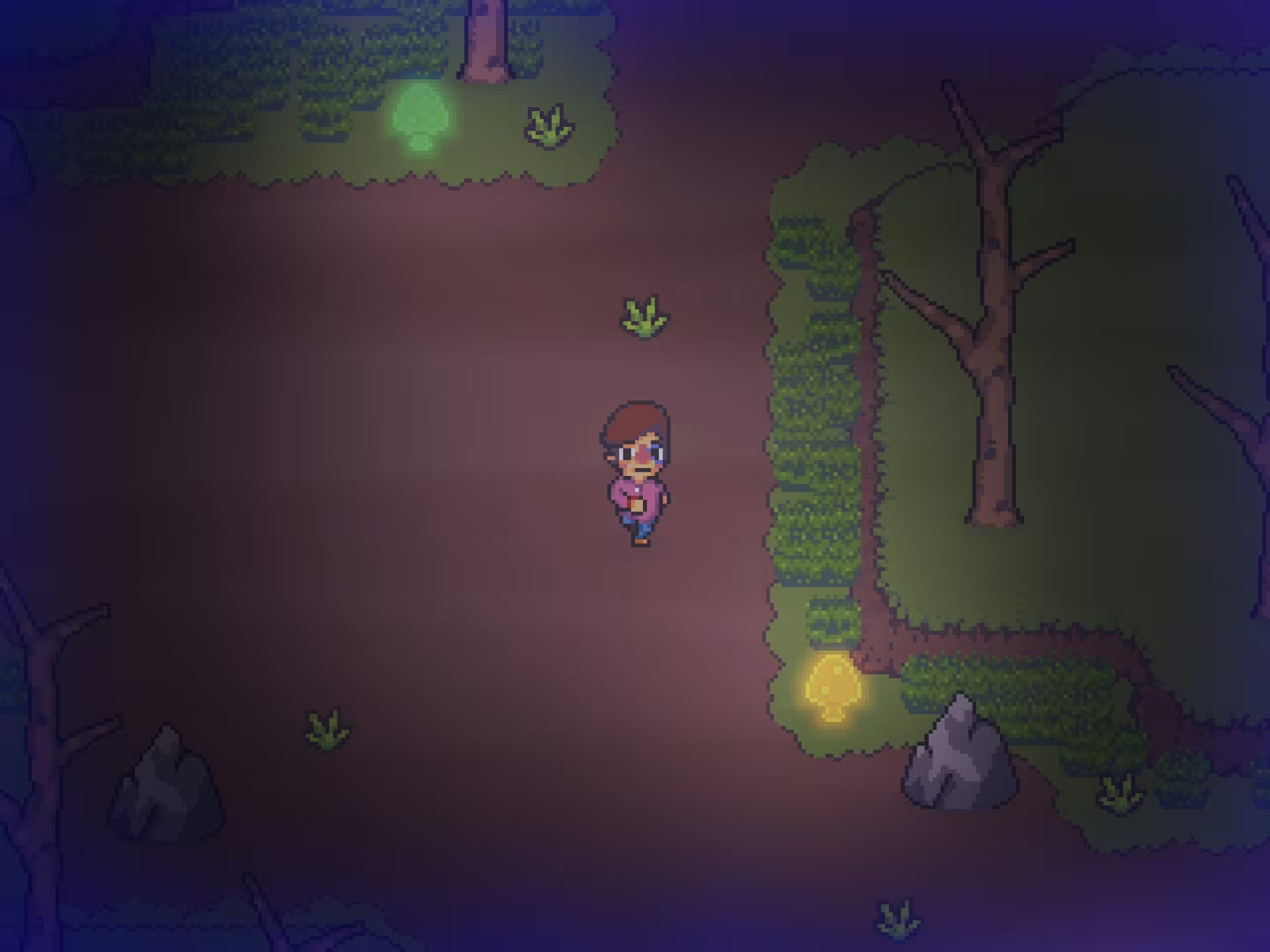
Knuckle Sandwich is a turn-based RPG by Andy Brophy. Get a job, beat up some monsters, and solve a mystery that's plaguing Bright City.
Global score
85/100
Genres
Adventure, Indie, Role-playing (RPG), Turn-based strategy (TBS), Sport
Similar games
Pros
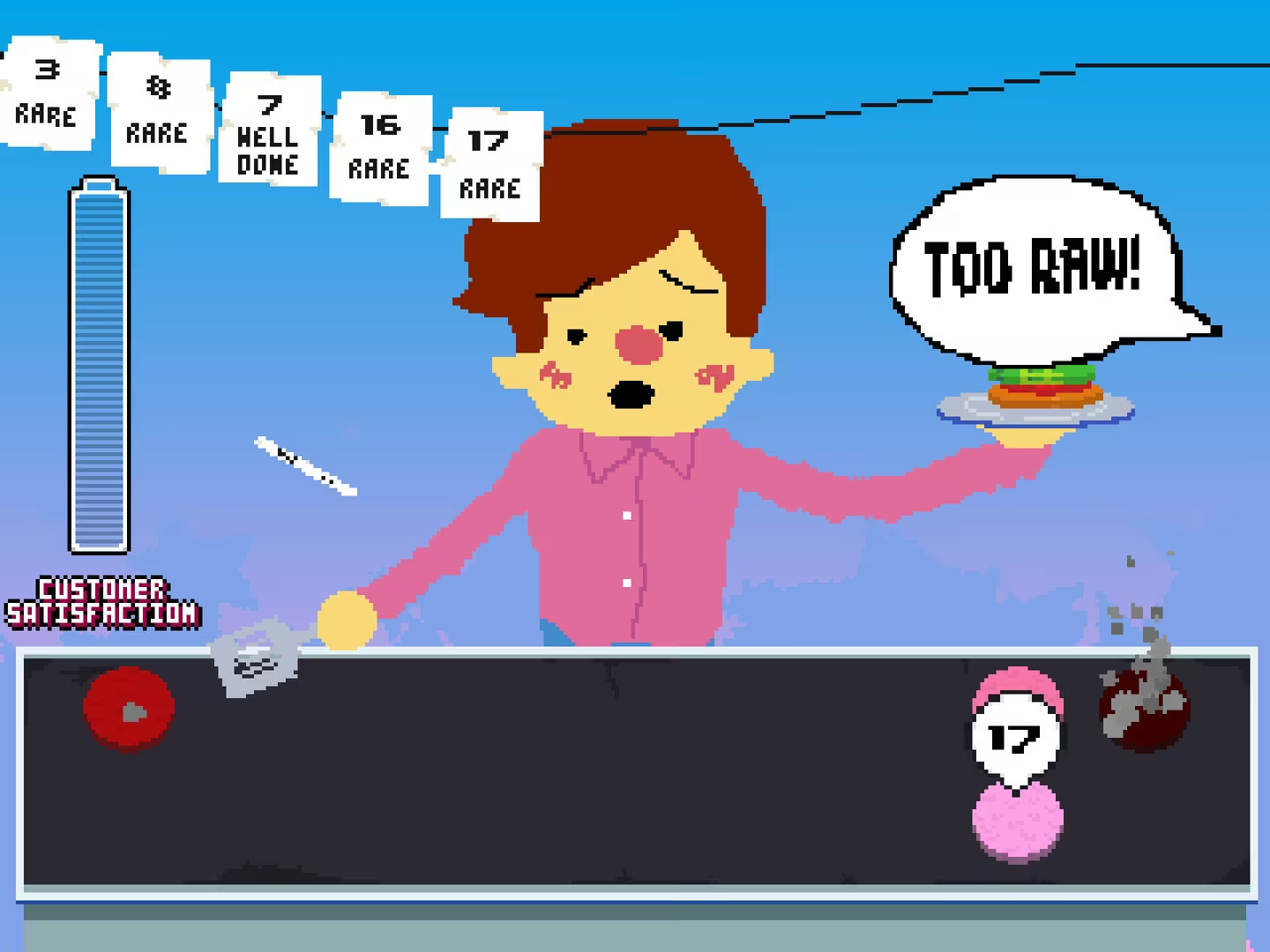
- Unique and engaging combat system with minigames
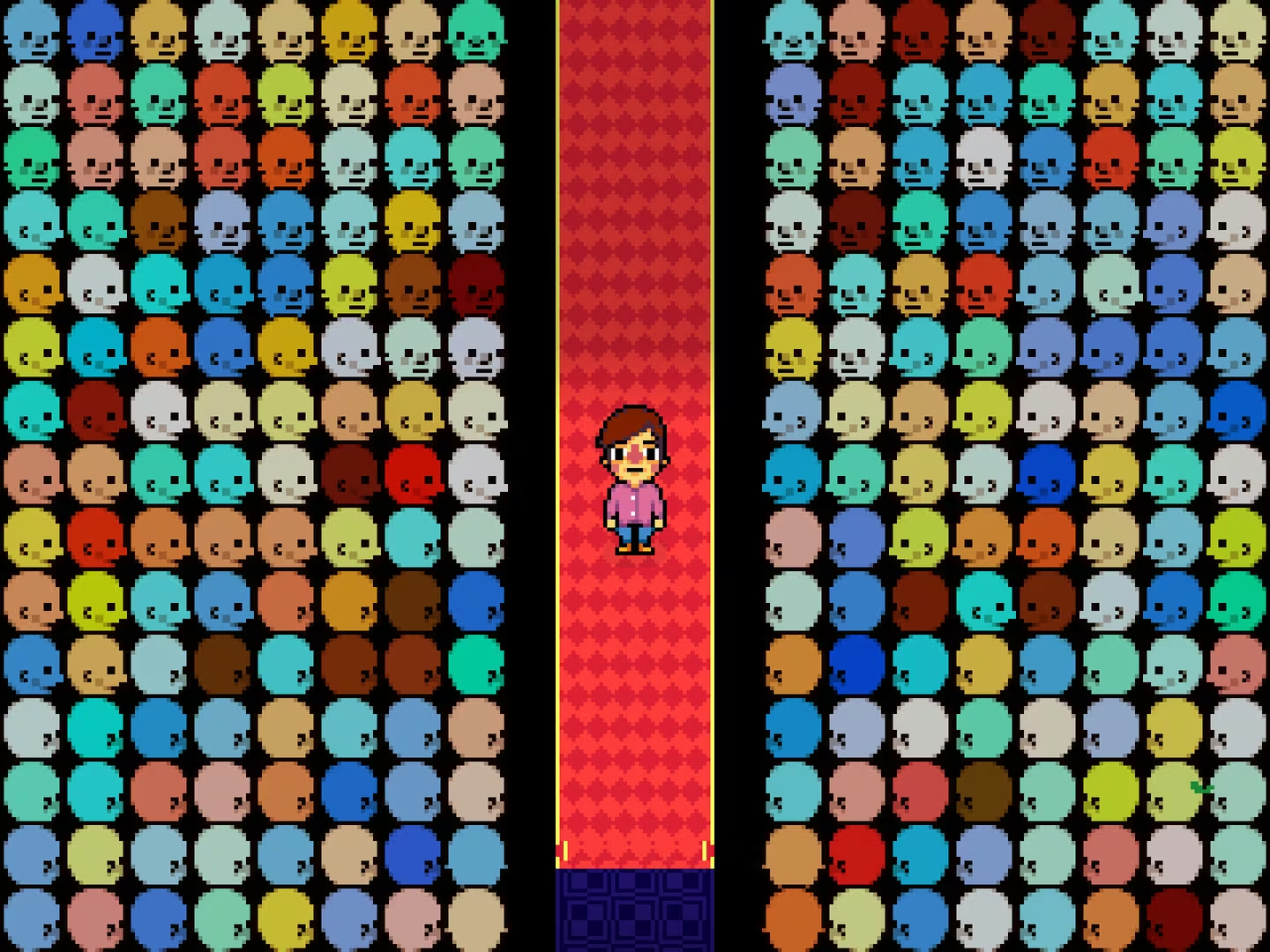
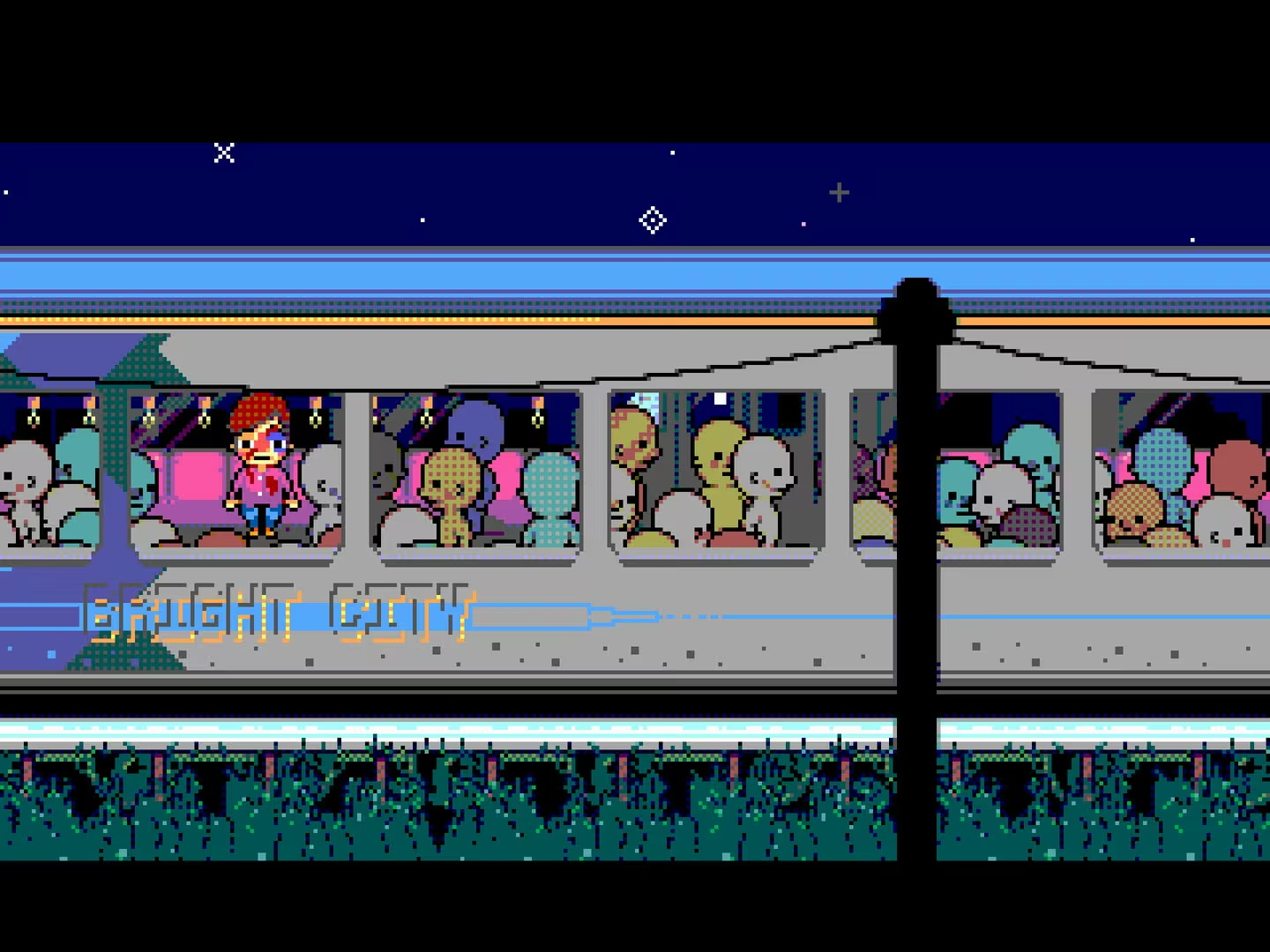
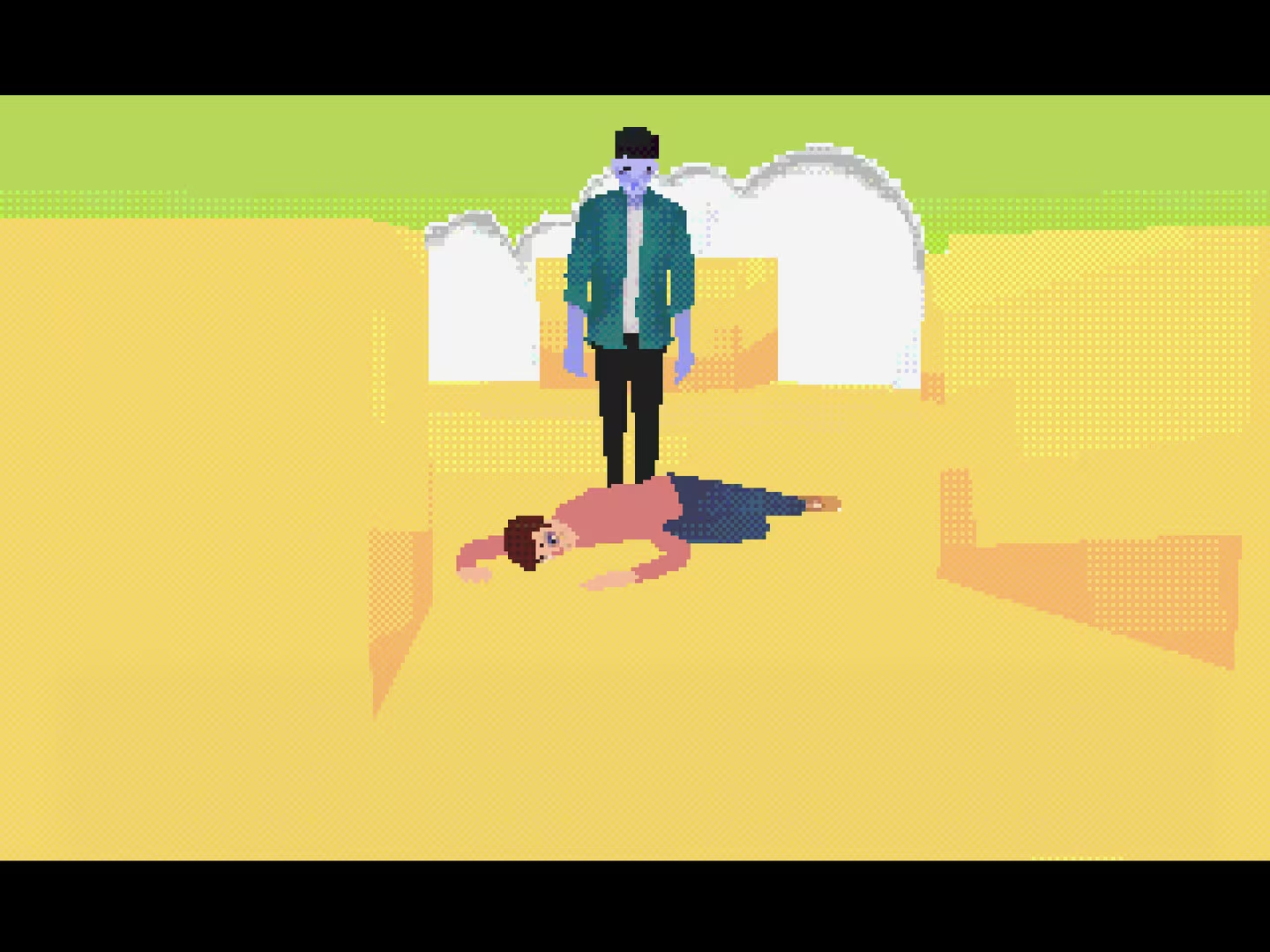
- Vibrant and varied art styles
- Excellent and memorable soundtrack
- Quirky humor and writing
- Rich exploration with many secrets
Cons
- Story can feel inconsistent and unfocused
- Inventory management is restrictive and annoying
- Combat balance issues and some tedious battles
- Some puzzles are frustrating or tedious
- Limited character development and social interaction
Analysis
Broadly representative of its motivational profile, with a few distinct shifts. Motivations that often define this kind of title include Fellowship, Cooperation, Leadership, Violence. Here, the score leans higher than usual among comparable games on Cooperation, Creativity, Leadership.
How to use the graph
Similar games map
Each dot is a game. They are arranged from the same motivation profile as in the “Motivations” section below. Closer dots usually mean more similar reasons to play (exploration, competition, relaxation, etc.)—not that one game is “better” than another.
- Larger dot with a light outline: the game you are viewing.
- Colour: groups of games with comparable motivation patterns (statistical clusters).
- Hover a dot to see the game name; click to open its page.
- Scroll or double-click the chart to zoom out and see more games.
Why don’t the axes read like a score? This view uses t-SNE: it only keeps who is close to whom. The scales are not “good to bad” or hours played—they separate groups on the map. Read distance between dots, not the axis numbers.
Motivations
-
Autonomy3
"Players have freedom in combat choices, exploration, and difficulty settings, though some story elements and puzzles are fixed."
-
Competence4
"Combat involves skill-based minigames requiring timing and reflexes; players receive feedback and can improve performance."
-
Competition-3
"Focus is on personal experience and self-improvement rather than competing against others; no mention of leaderboards or PvP."
-
Continuation4
"Many players report long playtimes, multiple playthroughs, and strong attachment to the game despite some pacing issues."
-
Cooperation-2
"Gameplay centers on single-player experience with party members controlled by AI; limited cooperative interaction."
-
Creativity5
"Highly creative combat system with unique minigames, varied art styles, and many secrets; strong player expression through exploration."
-
Domination-4
"Interactions emphasize shared experiences and mutual respect; no evidence of power imposition or trash talk."
-
Escapism4
"Players use the game as a quirky, immersive escape with engaging story, humor, and music."
-
Expectation-4
"Players engage voluntarily out of personal interest and passion; no indication of obligation or external pressure."
-
Experimenting4
"Players try many different minigames, explore secrets, and experiment with combat strategies and party builds."
-
Exploration4
"Bright City is filled with secrets and varied environments encouraging curiosity-driven discovery."
-
Expression3
"Players customize party members’ equipment and abilities; some room for self-expression though limited by inventory constraints."
-
Fantasy3
"The game features quirky, surreal, and imaginative fiction with fantasy elements and absurd humor."
-
Fellowship-3
"Primarily a solo experience with minimal social connection; party members are AI controlled and limited in development."
-
Growth3
"Players develop skills in minigames and learn combat mechanics; some character progression and knowledge accumulation."
-
Health-4
"Sedentary gameplay with no physical activity; some players report long sessions and intense button mashing."
-
Idle-3
"Requires sustained attention during combat minigames and puzzles; not designed for passive or background play."
-
Intimacy-3
"Limited emotional sharing or close relationships; character interactions are often quirky but shallow."
-
Leadership-3
"Players control the protagonist but party members act independently; no evidence of leading others or managing groups."
-
Progression3
"Players accumulate items, upgrades, and abilities; inventory management is a notable gameplay element."
-
Relaxation2
"Generally enjoyable and humorous experience, though some puzzles and combat can be frustrating or tedious."
-
Sensation4
"Vibrant visuals, varied art styles, and a highly praised soundtrack provide strong sensory stimulation."
-
Status-4
"Achievements exist but social recognition or popularity is not a core motivator; gameplay is mostly individual."
-
Story2
"Narrative is quirky and engaging but sometimes inconsistent and unfocused; story is a notable but imperfect element."
-
Strategy3
"Combat and inventory management require planning and tactical decision-making; some randomness affects outcomes."
-
Thrill2
"Some suspense in combat minigames and puzzles, but overall experience is more quirky and humorous than tense."
-
Value4
"Players feel the game offers good value for price and time invested, with rich content and replayability."
-
Violence2
"Combat involves attacking enemies with punches and special moves; violence is stylized and cartoonish."
-
Survival1
"Some resource and inventory management, but low threat environment and forgiving difficulty options."
Last update: 29/04/2026