Wasteland 2: Director's Cut similar games & best alternatives

Wasteland 2: Director's Cut
2014
Related articles
Quick resume
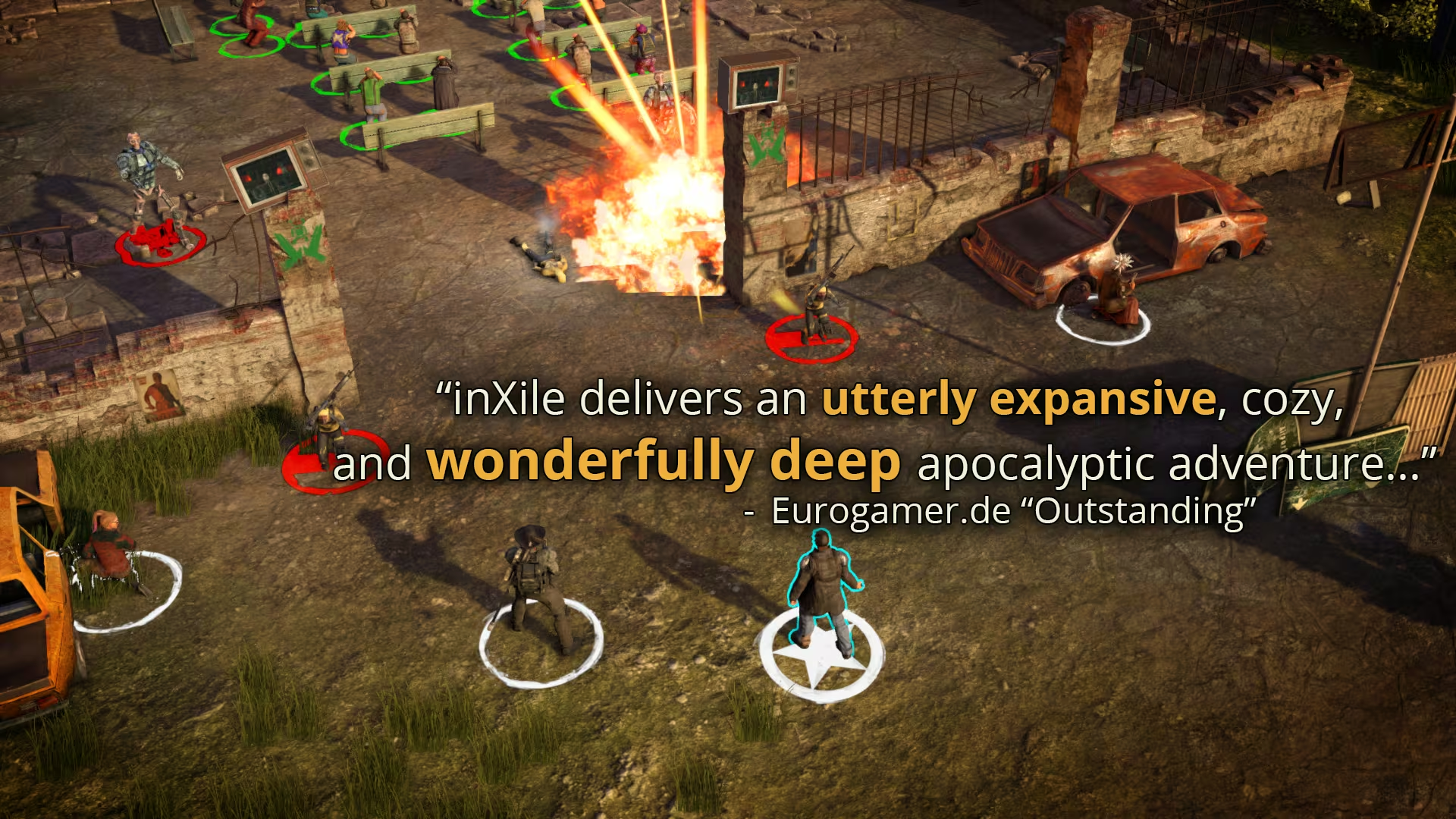
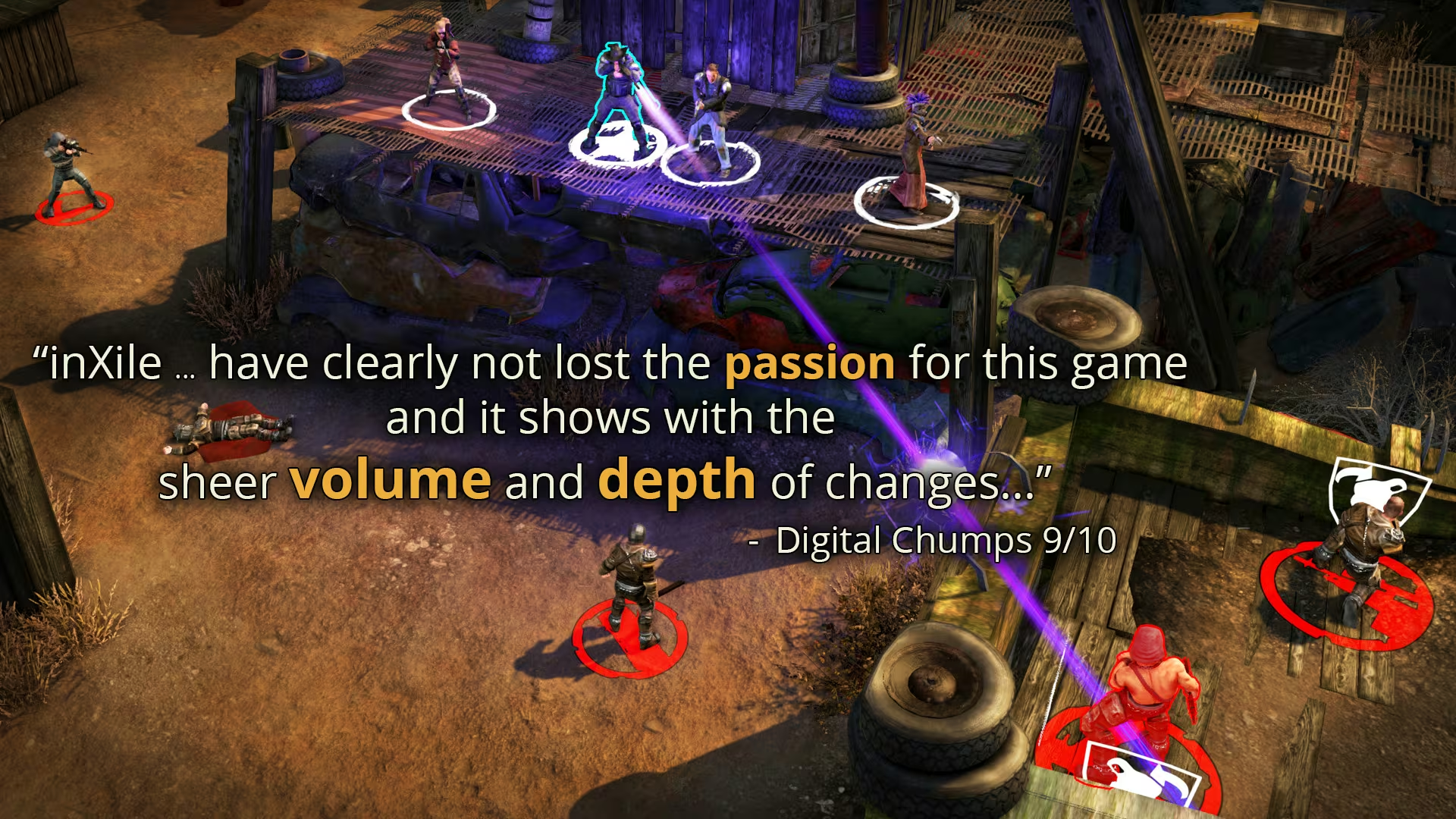
From the producer of the original Fallout comes Wasteland 2. With over 80 hours of gameplay, deck out your Ranger squad with devastating weaponry, test the limits of your strategy skills, and bring justice to the Wasteland! The choices are yours…but so are the consequences.
Global score
83/100
Genres
Adventure, Indie, Role-playing (RPG), Strategy, Turn-based strategy (TBS), Simulator
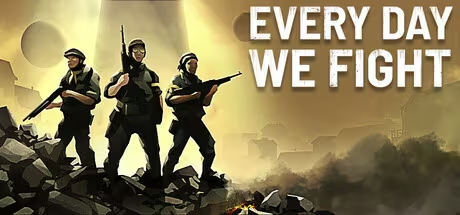
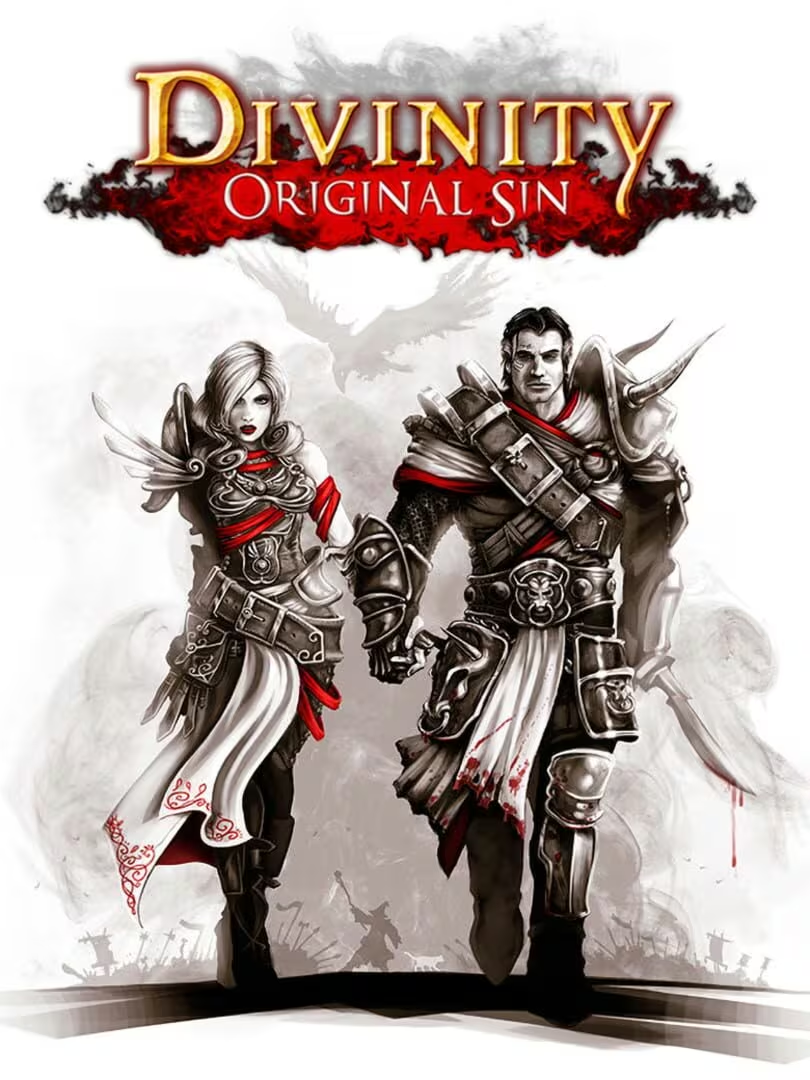
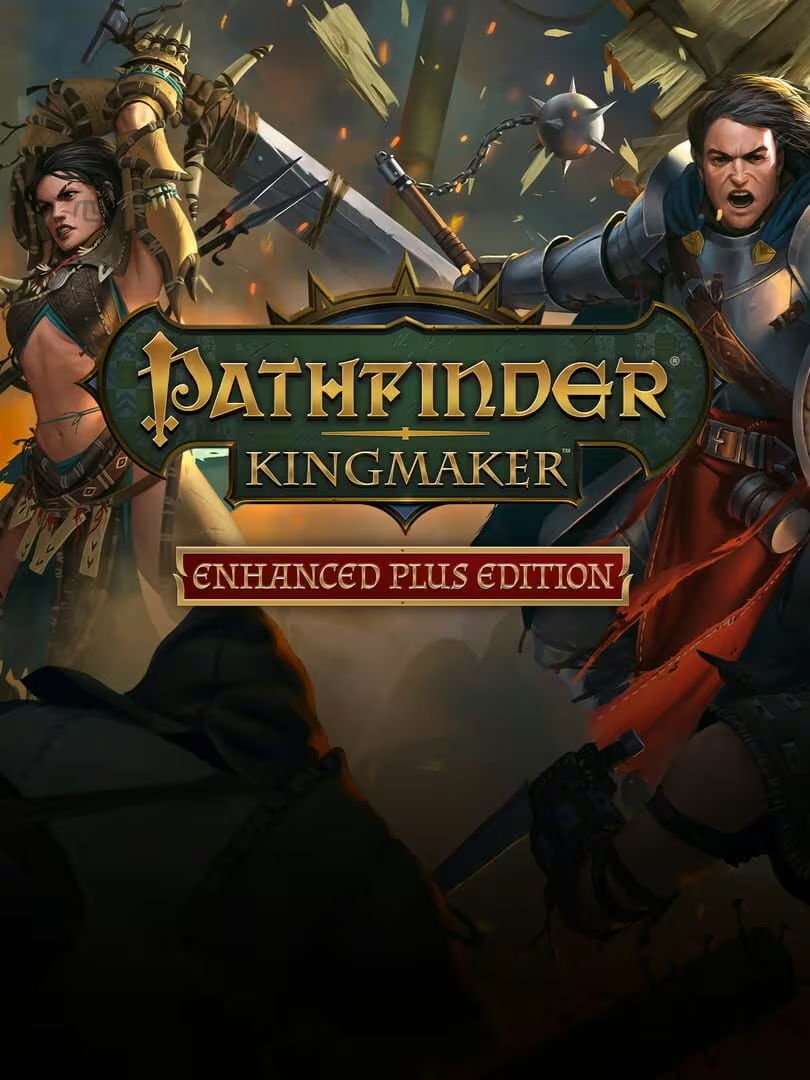
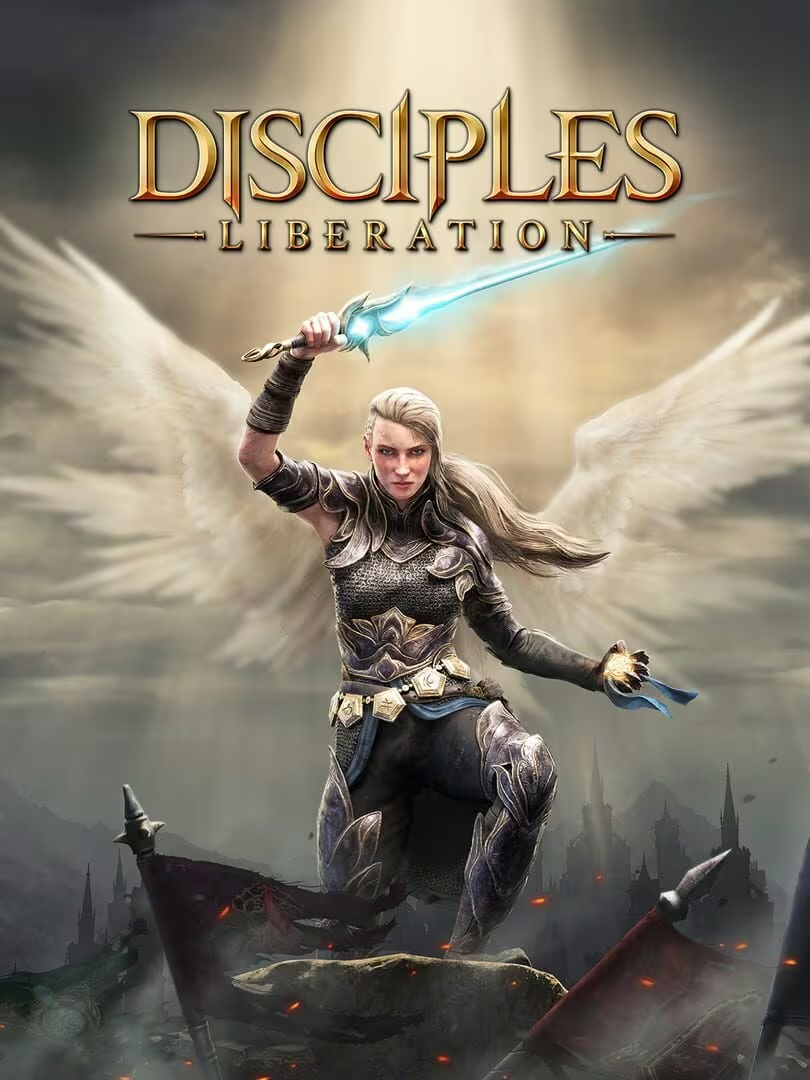
Similar games
Pros
- Deep character customization
- Engaging tactical combat
- Meaningful story choices
- Large explorable world
- High replayability
Cons
- Some bugs and performance issues
- Dated graphics
- Steep learning curve
- Clunky camera and ui
- Limited social interaction
Analysis
A very typical example of its motivational profile. Motivations that often define this kind of title include Leadership, Survival, Violence, Strategy. Here, the score leans higher than usual among comparable games on Story, Violence. It leans lower than usual among comparable games on Relaxation.
How to use the graph
Similar games map
Each dot is a game. They are arranged from the same motivation profile as in the “Motivations” section below. Closer dots usually mean more similar reasons to play (exploration, competition, relaxation, etc.)—not that one game is “better” than another.
- Larger dot with a light outline: the game you are viewing.
- Colour: groups of games with comparable motivation patterns (statistical clusters).
- Hover a dot to see the game name; click to open its page.
- Scroll or double-click the chart to zoom out and see more games.
Why don’t the axes read like a score? This view uses t-SNE: it only keeps who is close to whom. The scales are not “good to bad” or hours played—they separate groups on the map. Read distance between dots, not the axis numbers.
Motivations
-
Autonomy4
"Players have extensive freedom to create characters, choose skills, and decide how to approach quests and combat, with multiple solutions and meaningful consequences."
-
Competence4
"The game requires strategic thinking, skill management, and tactical combat with feedback on performance; combat is challenging especially early on."
-
Competition-3
"Focus is on personal party management and story progression rather than comparing performance with others; no mention of leaderboards or PvP."
-
Continuation4
"Players report long play sessions (50+ hours), high replayability due to branching paths and choices, and strong attachment to characters and story."
-
Cooperation-2
"Gameplay centers on managing a personal squad of characters; limited multiplayer or cooperative play mentioned."
-
Creativity4
"Strong character customization, skill allocation, and tactical approaches to quests and combat encourage creative problem solving."
-
Domination-4
"Interactions emphasize balanced party management and story choices; no evidence of exerting superiority or trash talk."
-
Escapism4
"Post-apocalyptic setting with immersive story and worldbuilding provides strong escape from real life."
-
Expectation-4
"Players engage voluntarily out of interest and nostalgia for classic RPGs; no indication of obligation or external pressure."
-
Experimenting4
"Players experiment with different character builds, skills, and tactical approaches; multiple quest solutions encourage exploration."
-
Exploration4
"Large open world with many locations, hidden areas, and secrets; players encouraged to explore and discover."
-
Expression3
"Character creation includes appearance, quirks, and personality traits allowing personal expression."
-
Fantasy3
"Post-apocalyptic fictional setting with imaginative elements like mutants, robots, and speculative technology."
-
Fellowship-3
"Focus is on solo party management with limited social or community interaction."
-
Growth4
"Players develop characters through leveling, skill allocation, and learning game mechanics; strategic growth is key."
-
Health-4
"Gameplay is sedentary with no physical activity; players spend long hours engaged in tactical combat and reading."
-
Idle-4
"Requires constant attention and strategic planning; not a casual or background game."
-
Intimacy-3
"Interactions with NPCs are mostly functional for quests and story; limited evidence of close emotional relationships."
-
Leadership3
"Players lead a squad of up to 7 characters, managing their skills and actions strategically."
-
Progression4
"Strong emphasis on leveling up, acquiring weapons, skills, and upgrades throughout the game."
-
Relaxation-2
"Gameplay can be tense and challenging, requiring careful planning and resource management."
-
Sensation2
"Visual and auditory elements support immersion but are not the primary focus; some gore and sound effects enhance experience."
-
Status-4
"Game focuses on individual story and party rather than social recognition or popularity."
-
Story5
"Narrative immersion is a core element with branching plots, character interactions, and meaningful choices."
-
Strategy5
"Turn-based tactical combat and skill management require analytical thinking and planning."
-
Thrill3
"Combat and story choices create suspense and tension; risk of character death adds thrill."
-
Value3
"Players report high playtime and replayability, considering the game worth its price."
-
Violence4
"Combat involves firearms, explosives, and gore; violence is a significant gameplay element."
-
Survival4
"Resource management (ammo, water), health, and tactical defense are important to avoid failure."
Last update: 29/04/2026