Death of the Reprobate similar games & best alternatives
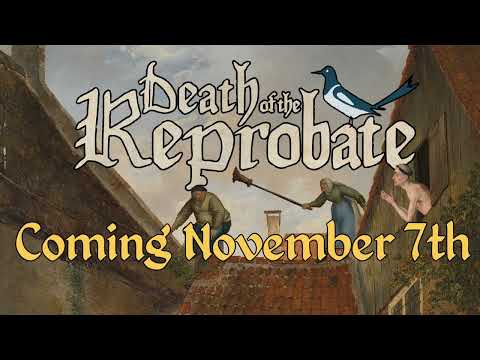
Death of the Reprobate
2024
Related articles
Quick resume
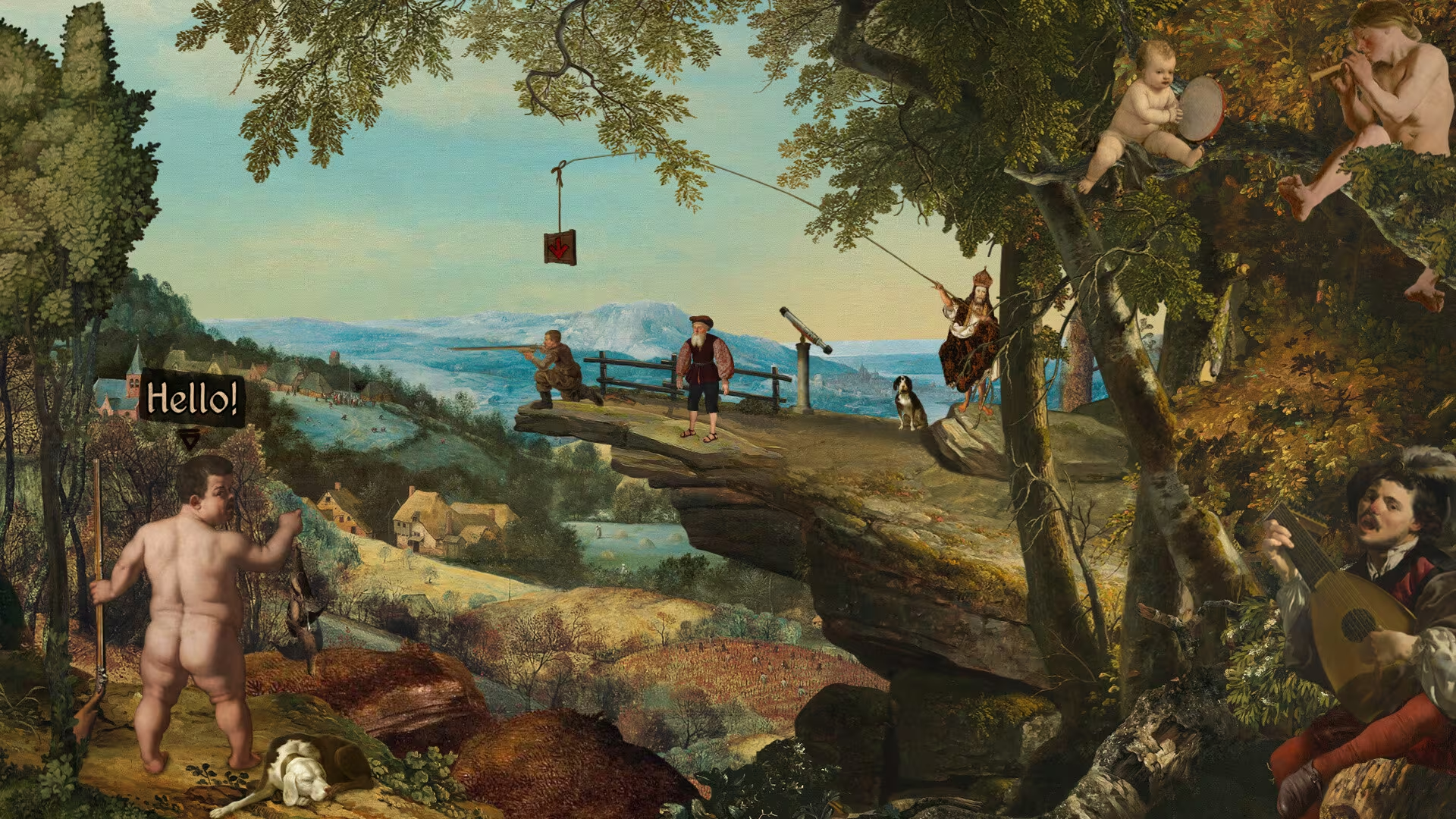
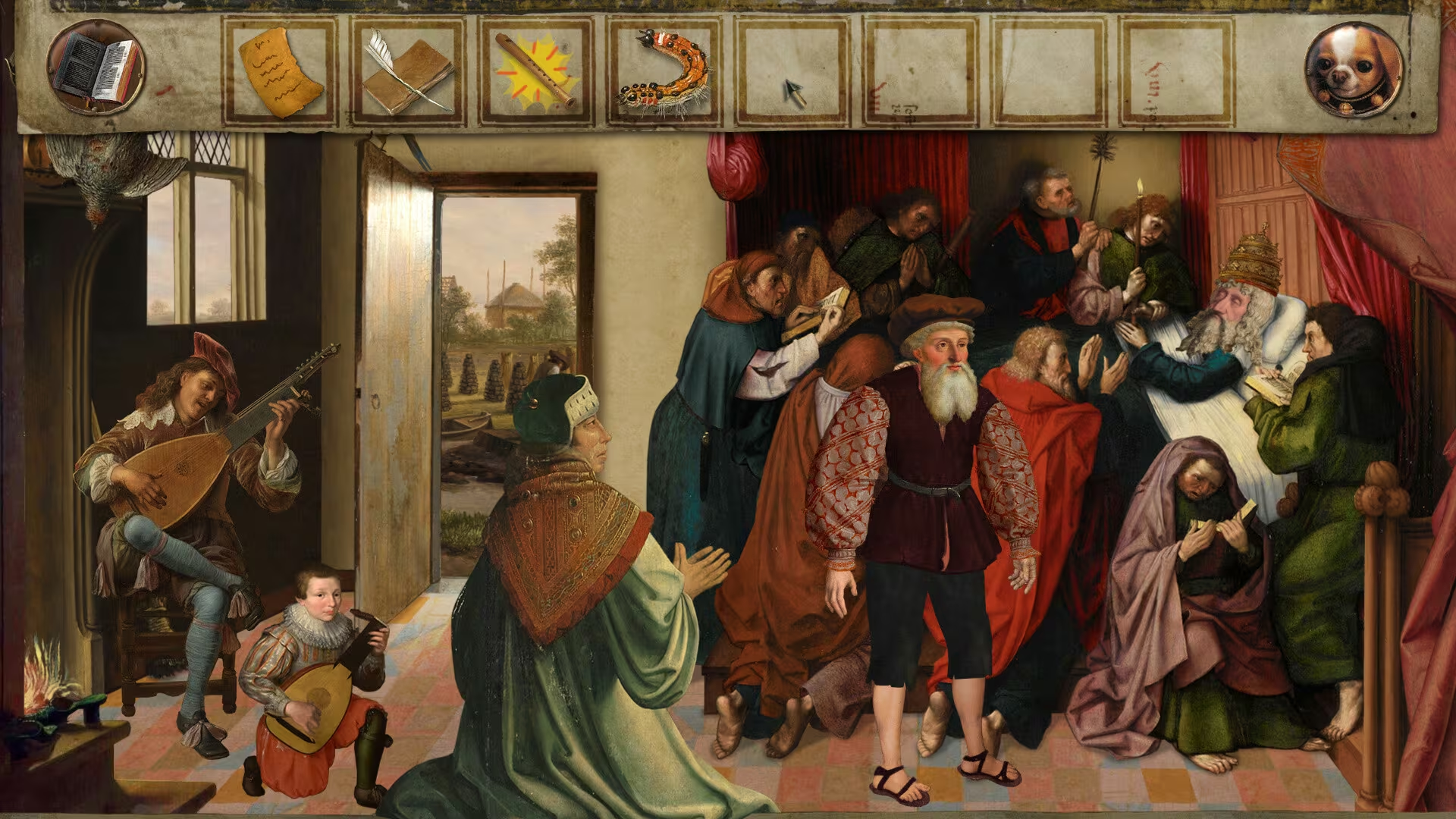
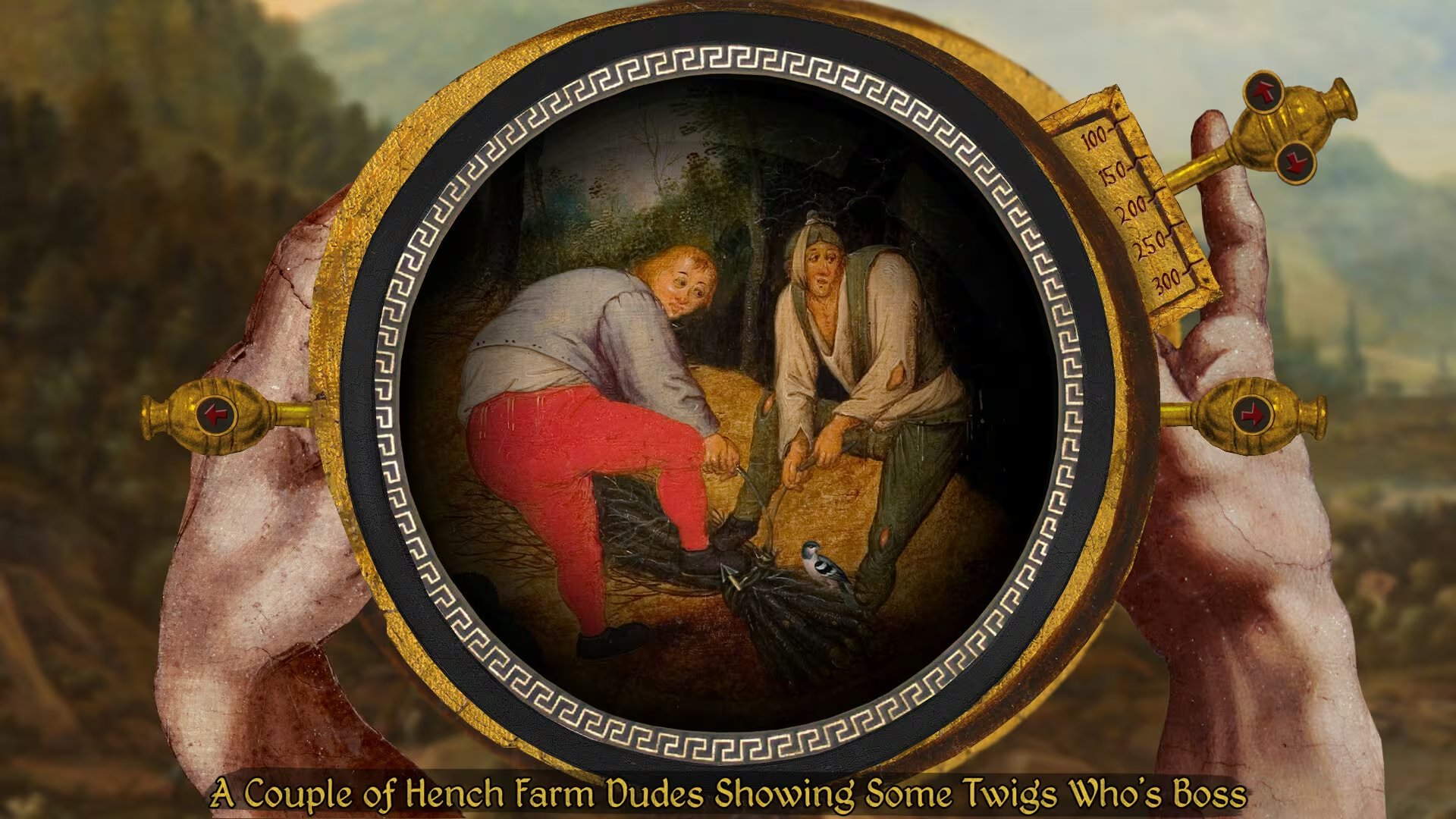
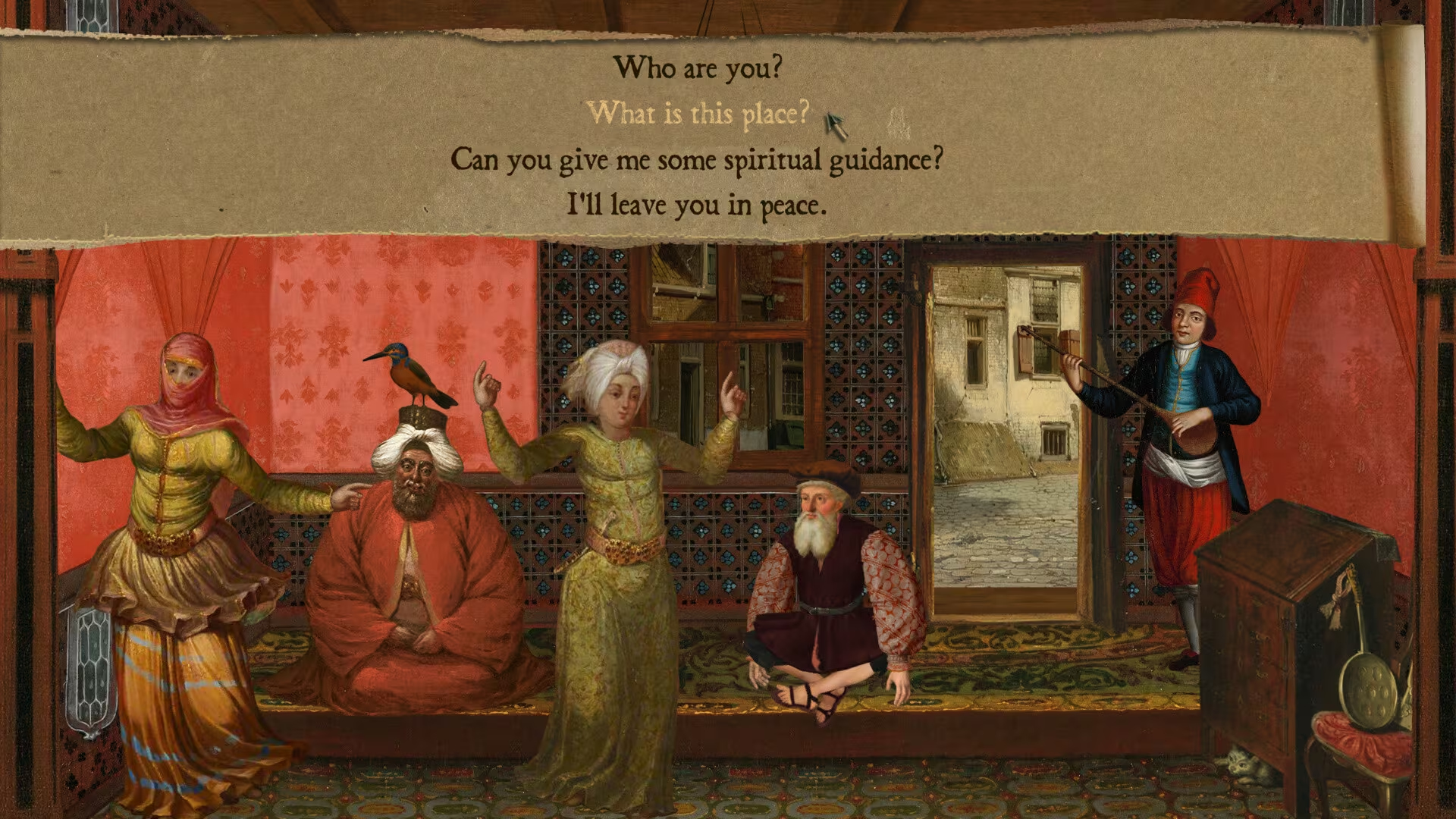
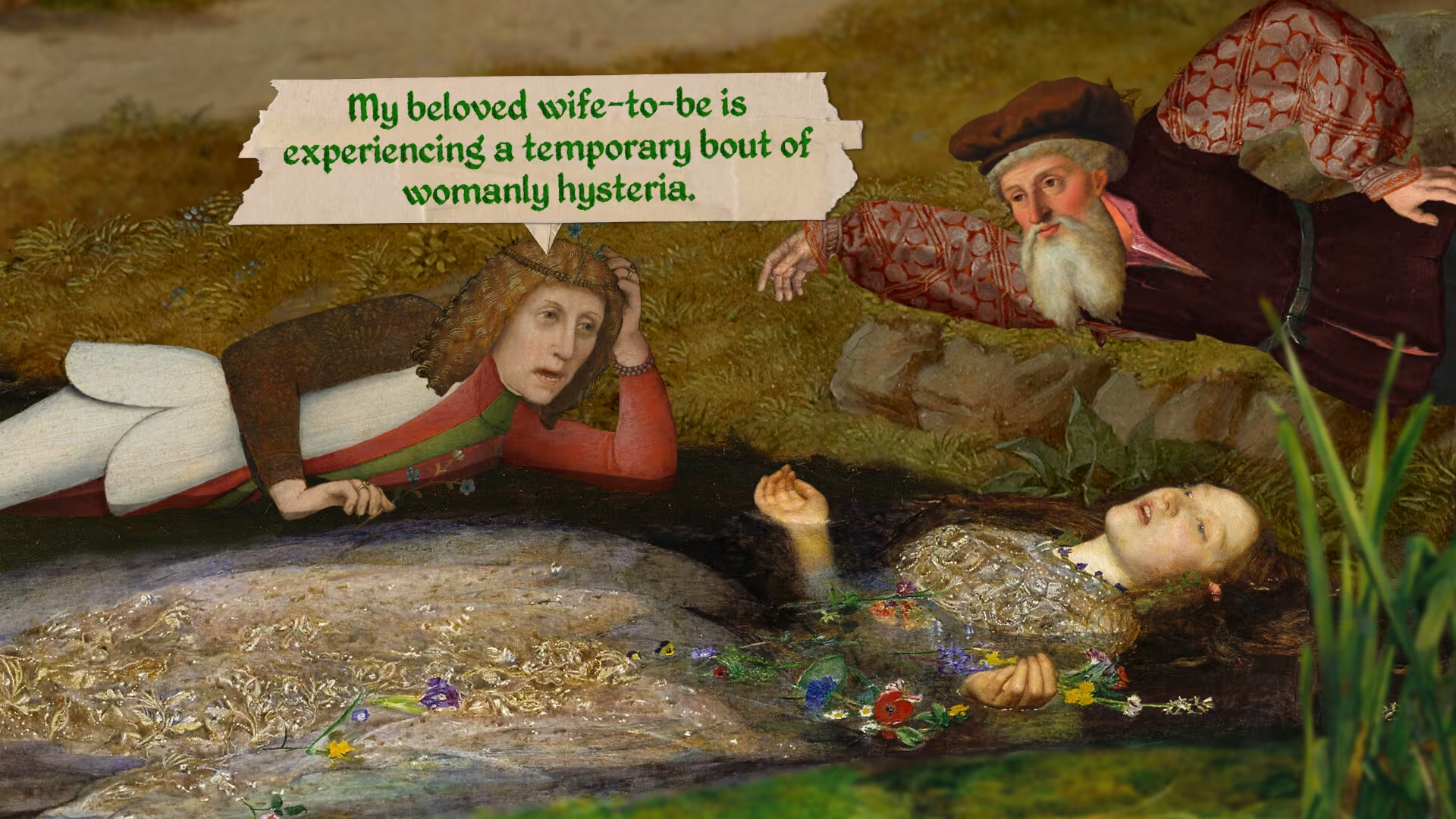
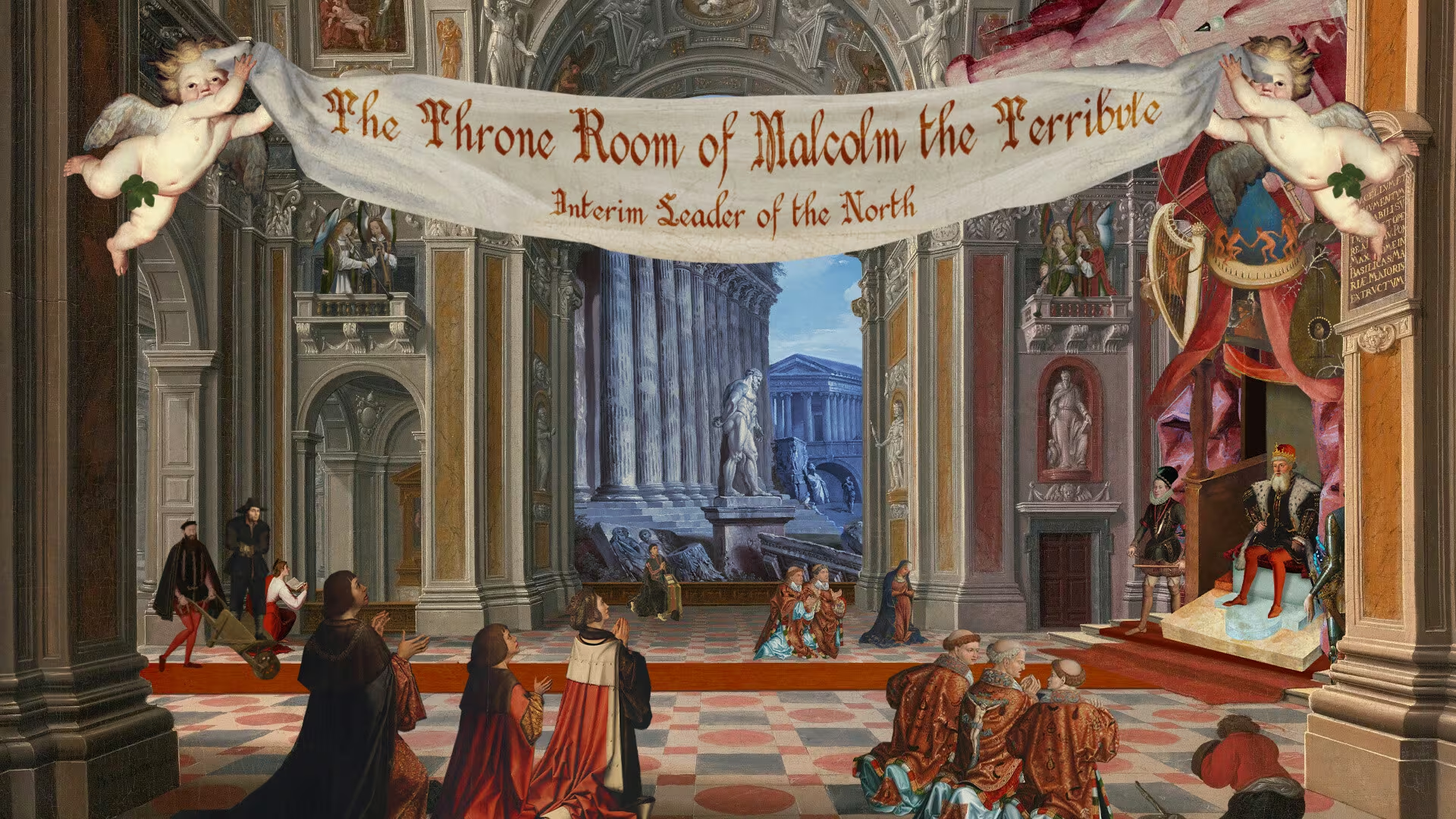
Explore a world built from the luscious landscapes, turbulent townscapes and preposterous portraits of real Renaissance paintings. Death of the Reprobate is a Rabelaisian adventure game from the creator of Four Last Things and The Procession to Calvary.
Global score
97/100
Genres
Adventure, Indie, Point-and-click
Similar games
Pros
- Unique and creative use of renaissance art and classical music
- Humorous, witty, and absurd writing
- Engaging and varied puzzles
- Polished presentation and animations
- Built-in hint system to aid puzzle solving
Cons
- Short game length
- Some puzzles considered obtuse or illogical
- Lack of innovation compared to previous series entries
- Limited player customization
- No multiplayer or social features
Analysis
A very typical example of its motivational profile. Motivations that often define this kind of title include Survival, Violence, Fellowship, Expression. Here, the score leans higher than usual among comparable games on Creativity, Sensation. It leans lower than usual among comparable games on Thrill.
How to use the graph
Similar games map
Each dot is a game. They are arranged from the same motivation profile as in the “Motivations” section below. Closer dots usually mean more similar reasons to play (exploration, competition, relaxation, etc.)—not that one game is “better” than another.
- Larger dot with a light outline: the game you are viewing.
- Colour: groups of games with comparable motivation patterns (statistical clusters).
- Hover a dot to see the game name; click to open its page.
- Scroll or double-click the chart to zoom out and see more games.
Why don’t the axes read like a score? This view uses t-SNE: it only keeps who is close to whom. The scales are not “good to bad” or hours played—they separate groups on the map. Read distance between dots, not the axis numbers.
Motivations
-
Autonomy4
"Players freely explore scenes, choose actions, and solve puzzles with some non-linear order and multiple interactions."
-
Competence3
"Engages players in puzzle solving with some challenging and rewarding moments, though puzzles are generally easier than predecessors."
-
Competition-5
"No evidence of competitive elements; focus is on solo play and personal puzzle solving."
-
Continuation3
"Players express attachment to the series and enjoy replaying; some mention wanting more despite short length."
-
Cooperation-5
"Single-player experience with no cooperative gameplay or social collaboration."
-
Creativity5
"Highly creative use of Renaissance paintings, remixing art and music into a unique interactive world."
-
Domination-5
"No indications of exerting control over others; interactions are humorous and equal."
-
Escapism4
"Players enjoy humor, absurdity, and immersion in a surreal Renaissance art world, providing distraction from reality."
-
Expectation-4
"Players engage voluntarily out of intrinsic interest and appreciation for the unique style and humor."
-
Experimenting3
"Players explore puzzles and interactions, discovering many hidden jokes and experimenting with solutions."
-
Exploration4
"Encourages discovery of new scenes, hidden gags, and details within the richly crafted environments."
-
Expression-3
"Limited player customization; focus is on experiencing preset artistic scenes rather than personal expression."
-
Fantasy4
"Strong imaginative fiction with absurd humor and surreal reinterpretation of Renaissance art."
-
Fellowship-5
"Primarily a solo experience with minimal social interaction or community focus."
-
Growth2
"Players learn puzzle solutions and some art history, gaining knowledge through gameplay."
-
Health-5
"Sedentary point-and-click gameplay with no physical activity involved."
-
Idle-3
"Requires focused attention to solve puzzles and progress; not designed for idle or background play."
-
Intimacy-5
"No close social relationships or emotional sharing; interactions are comedic and detached."
-
Leadership-5
"No leadership or group management elements; purely individual gameplay."
-
Progression2
"Players progress through tasks and puzzles to complete objectives, though no complex item accumulation."
-
Relaxation3
"Humorous and lighthearted tone provides enjoyable flow and tension release despite some puzzle challenge."
-
Sensation4
"Rich visual and auditory stimulation from classical art and music combined with comedic animation."
-
Status-5
"No social status or recognition mechanics; achievements are personal and not socially emphasized."
-
Story3
"Narrative with characters and plot provides context and motivation, though story is secondary to humor and puzzles."
-
Strategy2
"Requires some problem solving and logical thinking for puzzles, but generally straightforward."
-
Thrill-2
"Low risk and suspense; humor and absurdity replace tension or thrill elements."
-
Value3
"Players feel the game offers good entertainment value despite short length and some puzzle frustration."
-
Violence-3
"Minimal violence; interactions focus on comedic slaps and gestures rather than combat or destruction."
-
Survival-5
"No survival or threat avoidance mechanics; stable, low-risk gameplay environment."
Last update: 29/04/2026