MOTHER Thumbnail

MOTHER similar games & best alternatives
MOTHER

PC (Microsoft Windows) • 2020

Related articles

Quick resume

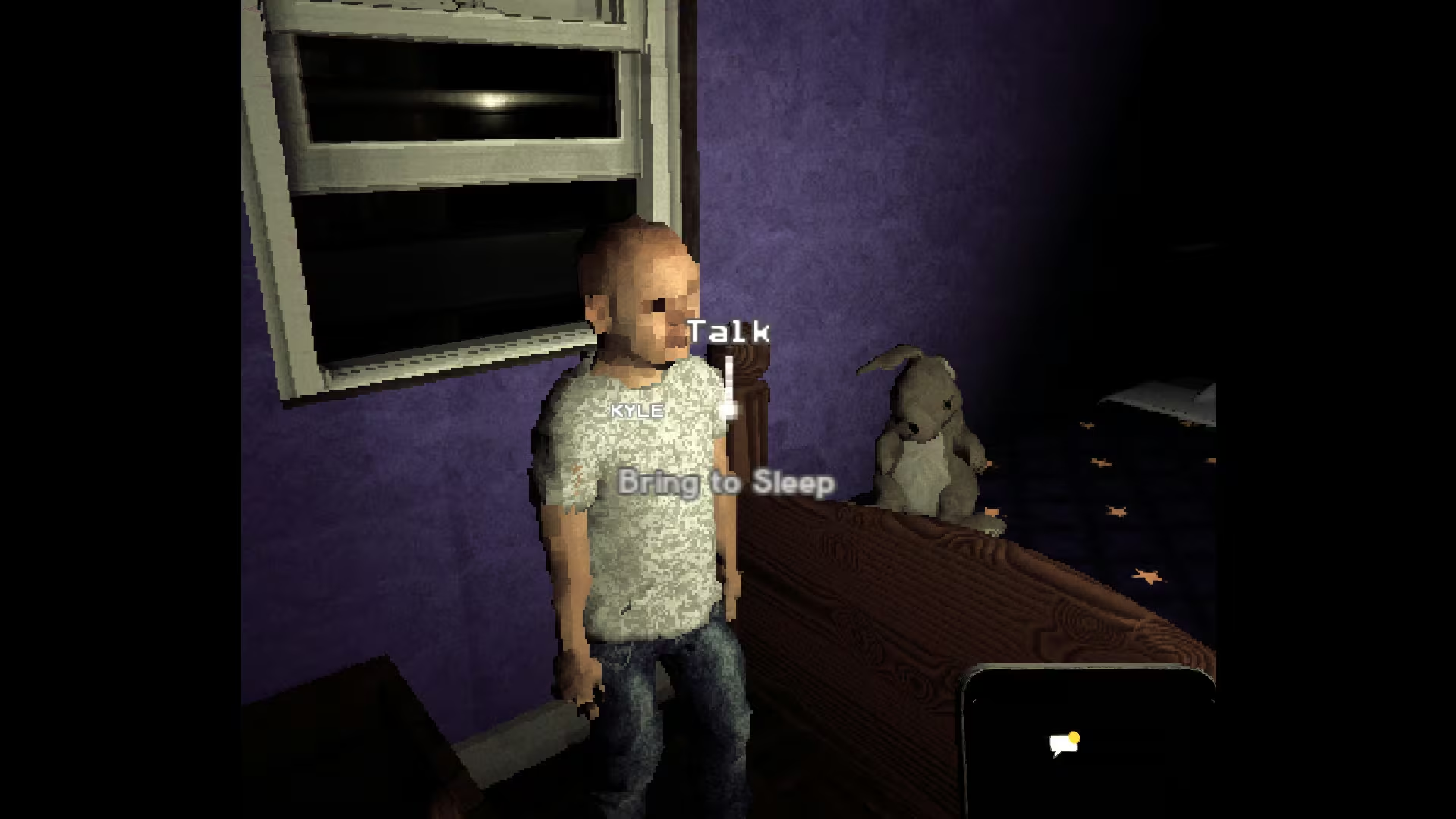
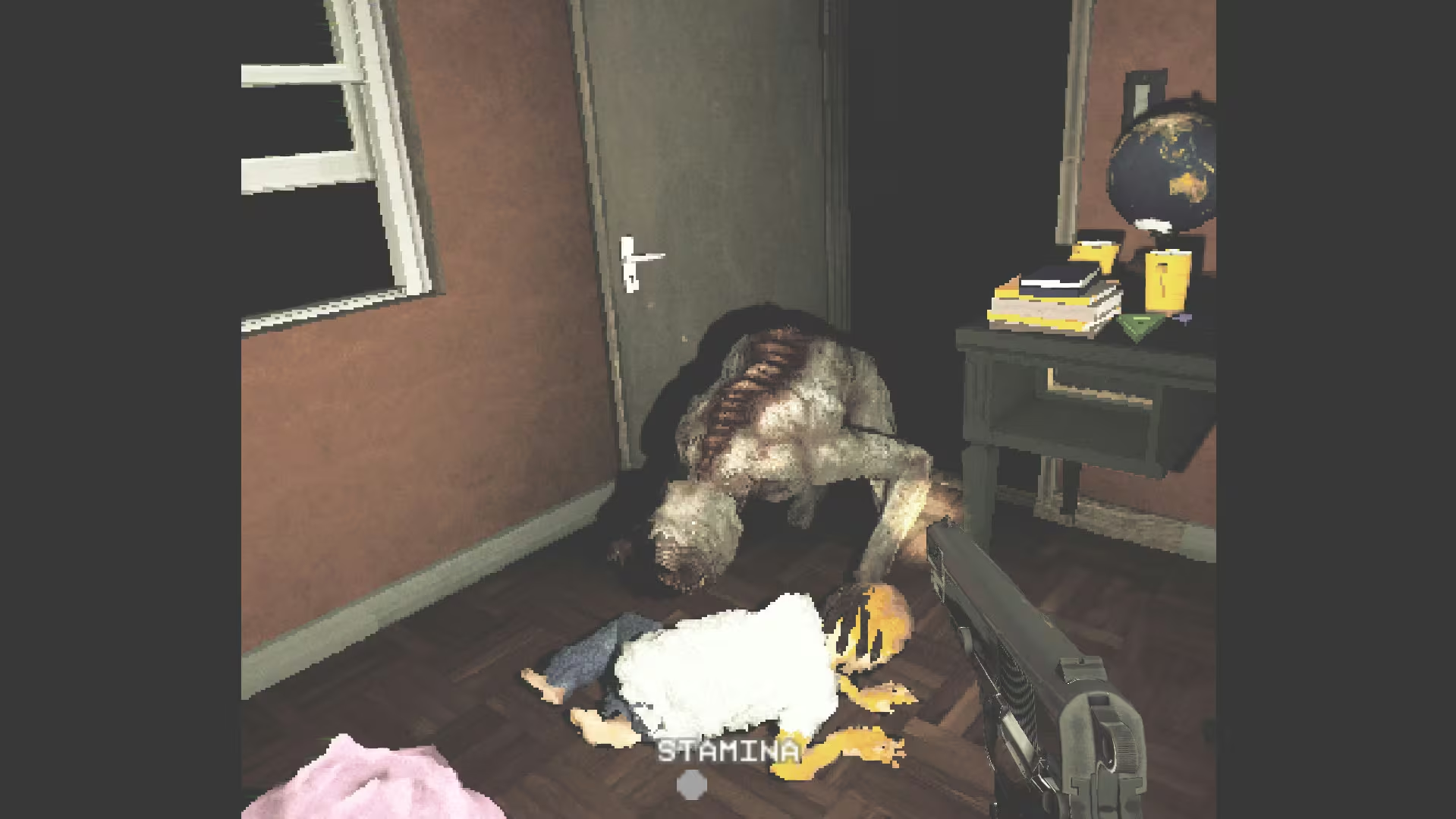
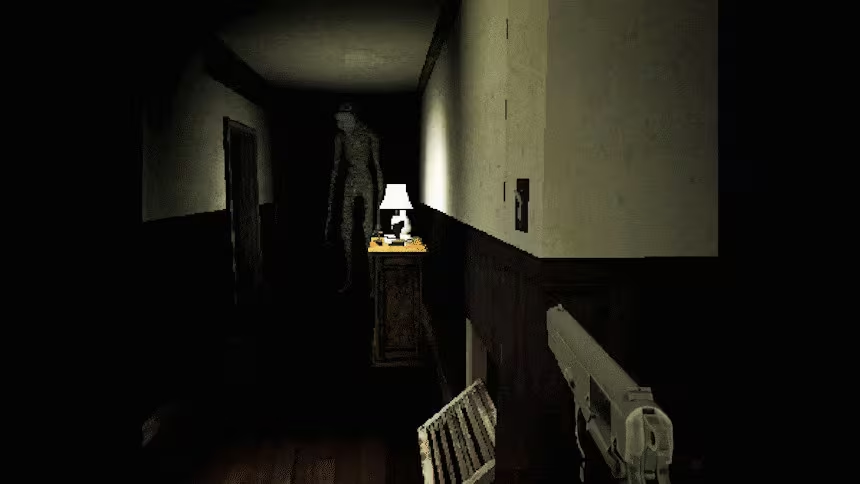
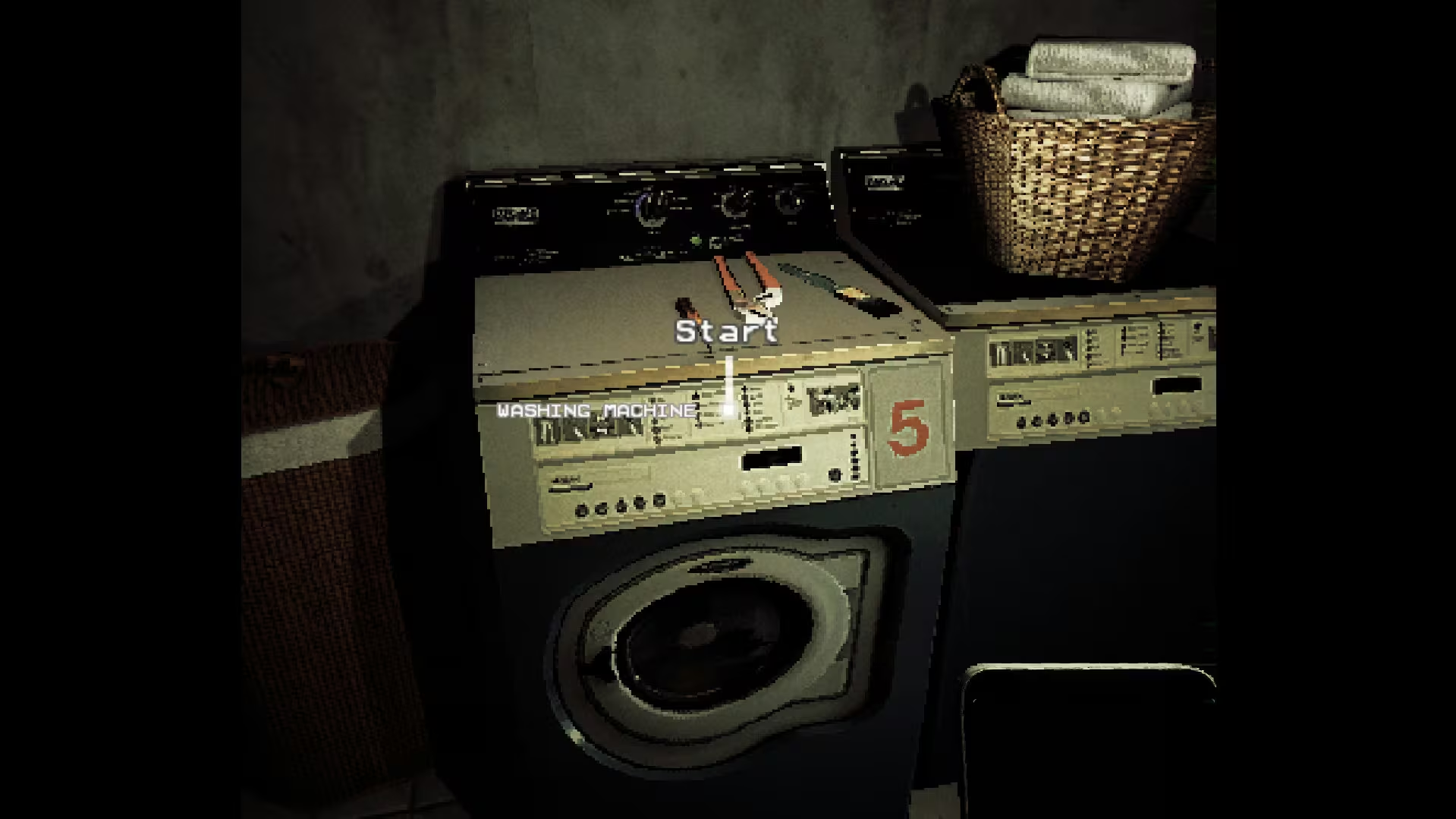
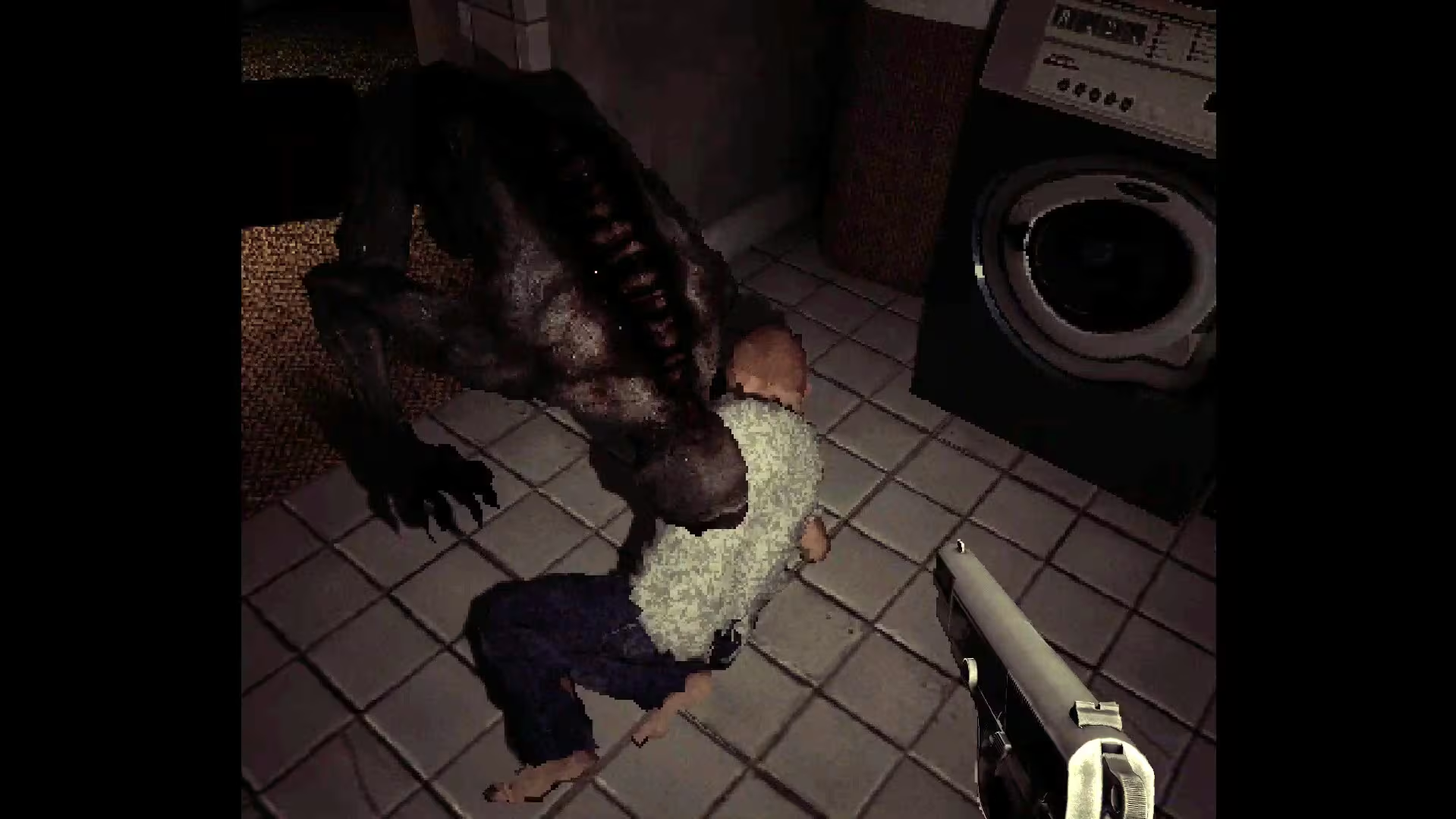
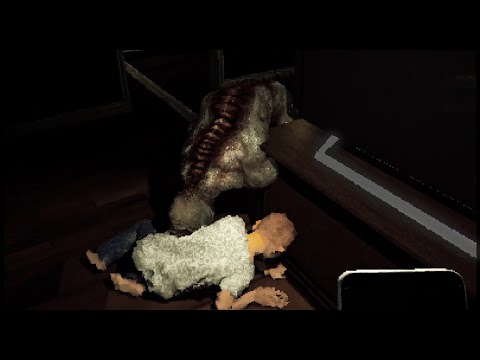
MOTHER is a first-person psychological horror game about protecting your children while descending deeper & deeper into madness. Defend them at all costs. Be careful, because their death is permanent!

Global score

88/100

Genres

Indie

Similar games

    Pros

    • Strong horror atmosphere and tension
    • Engaging psychological narrative
    • Good value for price
    • Unique survival mechanics
    • Effective audio and visual design

    Cons

    • Repetitive and tedious late-game
    • Clunky controls and interface issues
    • Some bugs and technical problems
    • Lack of story depth or alternate endings
    • No multiplayer or social features

    Analysis

    A very typical example of its motivational profile. Motivations that often define this kind of title include Expression, Fellowship, Violence, Cooperation. Here, the score leans higher than usual among comparable games on Intimacy. It leans lower than usual among comparable games on Relaxation, Competition.

    How to use the graph
    Similar games map

    Each dot is a game. They are arranged from the same motivation profile as in the “Motivations” section below. Closer dots usually mean more similar reasons to play (exploration, competition, relaxation, etc.)—not that one game is “better” than another.

    • Larger dot with a light outline: the game you are viewing.
    • Colour: groups of games with comparable motivation patterns (statistical clusters).
    • Hover a dot to see the game name; click to open its page.
    • Scroll or double-click the chart to zoom out and see more games.

    Why don’t the axes read like a score? This view uses t-SNE: it only keeps who is close to whom. The scales are not “good to bad” or hours played—they separate groups on the map. Read distance between dots, not the axis numbers.

    Motivations

    • Autonomy
      3

      "Players have control over managing tasks, protecting children, and choosing actions such as shooting or saving kids, reflecting personal decision-making."

    • Competence
      3

      "Gameplay involves skillful multitasking, resource management, and survival challenges with increasing difficulty, requiring effective player action."

    • Competition
      -5

      "No evidence of competitive elements; focus is on personal survival and protecting children without comparison to others."

    • Continuation
      2

      "Several reviews mention long play sessions and replay value due to story and atmosphere, though some find the late game repetitive or tedious."

    • Cooperation
      -5

      "Single-player experience focused on individual tasks and protecting own children; no multiplayer or cooperative play."

    • Creativity
      2

      "Players engage in some environmental interaction and task management, but mostly follow predefined objectives and routines."

    • Domination
      -5

      "No social dominance or power over others; gameplay centers on survival and protection without imposing authority."

    • Escapism
      4

      "Strong horror atmosphere and psychological tension provide immersive escape from reality and stress relief through gameplay."

    • Expectation
      -4

      "Players engage voluntarily for intrinsic interest in horror and story; no indication of obligation or external pressure."

    • Experimenting
      1

      "Some exploration of mechanics and strategies to protect children and survive, but largely follows set gameplay loops."

    • Exploration
      1

      "Limited exploration within a single apartment environment with some discovery of items and hiding spots."

    • Expression
      -3

      "Minimal customization or self-expression; players use fixed characters and environments with little modification."

    • Fantasy
      4

      "Psychological horror with supernatural elements and surreal narrative, providing an imaginative fictional experience."

    • Fellowship
      -5

      "Solo play with minimal social interaction or community involvement."

    • Growth
      2

      "Players develop skills in multitasking, resource management, and survival strategies over the course of the game."

    • Health
      -5

      "Sedentary gameplay typical of PC horror games; no physical activity or health-related features."

    • Idle
      -3

      "Requires focused attention and multitasking; no indication of casual or background play."

    • Intimacy
      1

      "Emotional connection to children and story is present but limited to in-game narrative rather than social relationships."

    • Leadership
      -5

      "No leadership or group management roles; gameplay is individual survival and protection."

    • Progression
      3

      "Progression through nights, increasing difficulty, and improving children's well-being reflects accumulation and advancement."

    • Relaxation
      -3

      "Game induces tension and stress with horror elements and survival pressure rather than relaxation or flow."

    • Sensation
      4

      "Strong sensory stimulation through unsettling audio, visuals, and jump scares create emotional excitement."

    • Status
      -5

      "No social recognition or status systems; gameplay is private and individual."

    • Story
      4

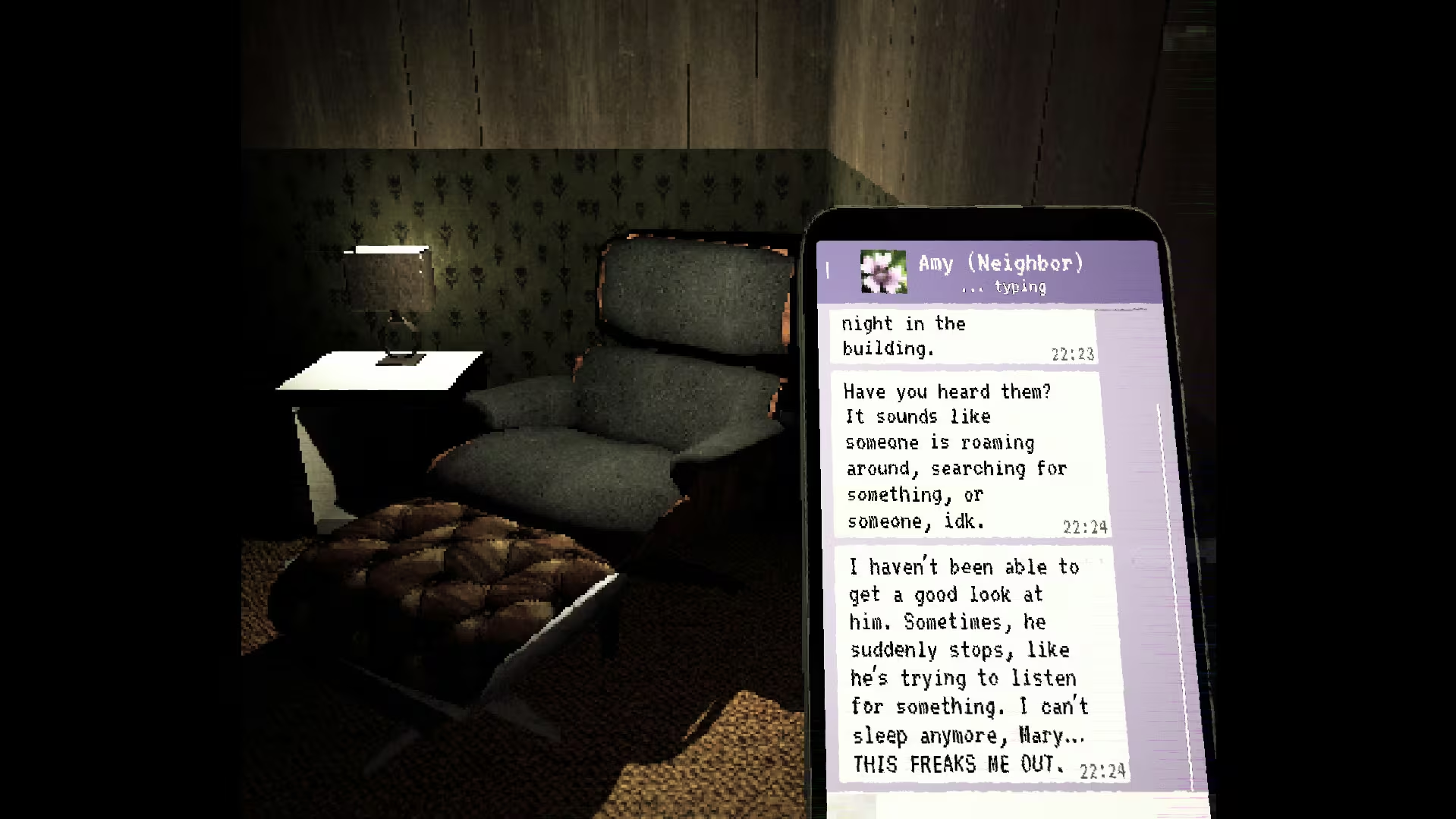
      "Narrative immersion is a key feature with a psychological horror story told through text messages and events."

    • Strategy
      3

      "Requires planning and problem solving to manage resources, protect children, and survive escalating threats."

    • Thrill
      4

      "High suspense and tension with jump scares and survival challenges create a thrilling experience."

    • Value
      4

      "Players perceive strong value for money given the price and content, frequently described as a steal."

    • Violence
      2

      "Includes combat elements such as shooting monsters and accidental shooting of children, but violence is contextual and not gratuitous."

    • Survival
      4

      "Core gameplay revolves around avoiding failure, managing resources, and protecting children from threats."

    Last update: 26/04/2026