The Forgotten City Thumbnail

The Forgotten City similar games & best alternatives
The Forgotten City

Xbox One, PlayStation 5, PC (Microsoft Windows), Xbox Series X|S, Mac, PlayStation 4 • 2021

Related articles

Quick resume

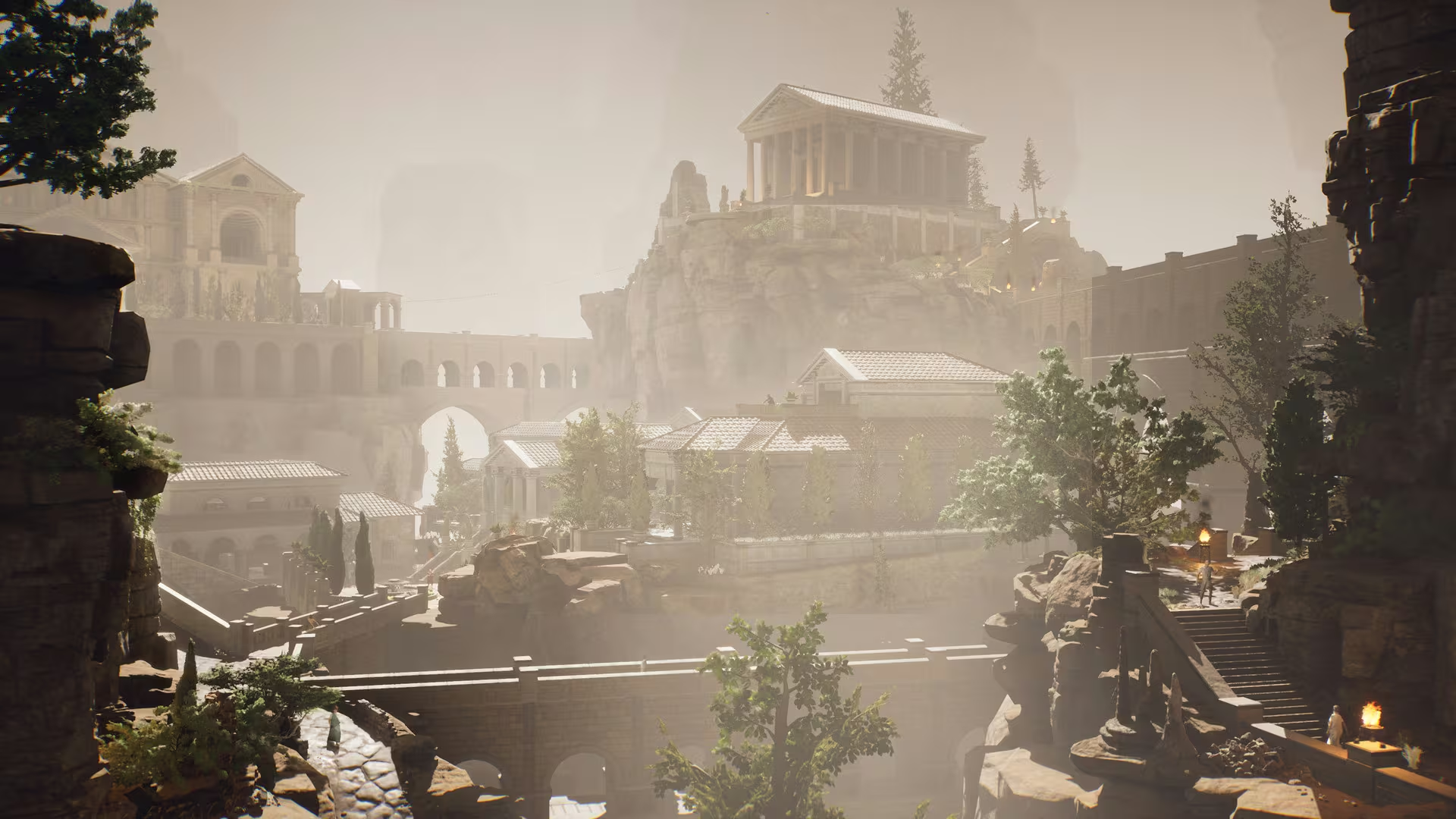
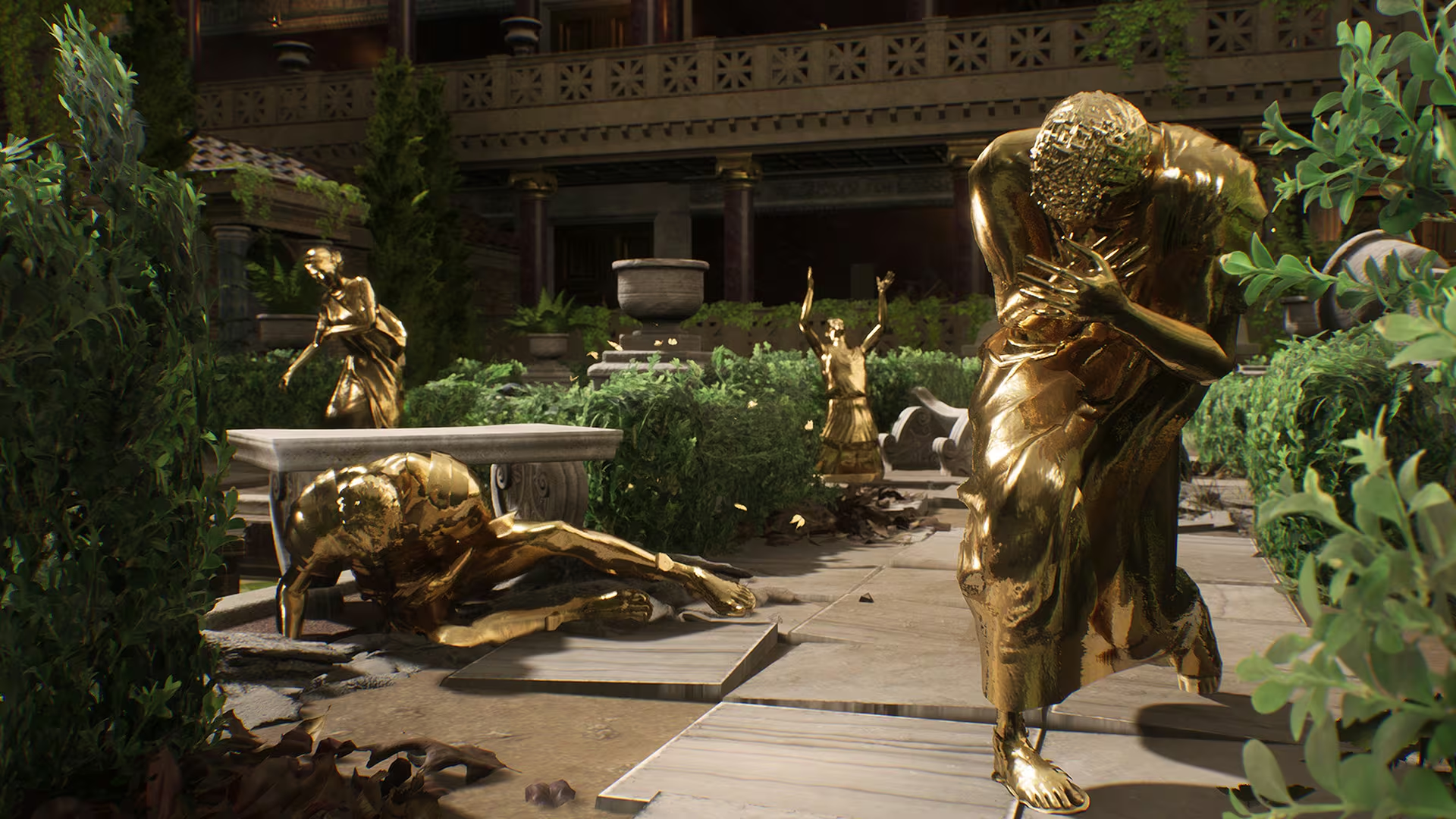
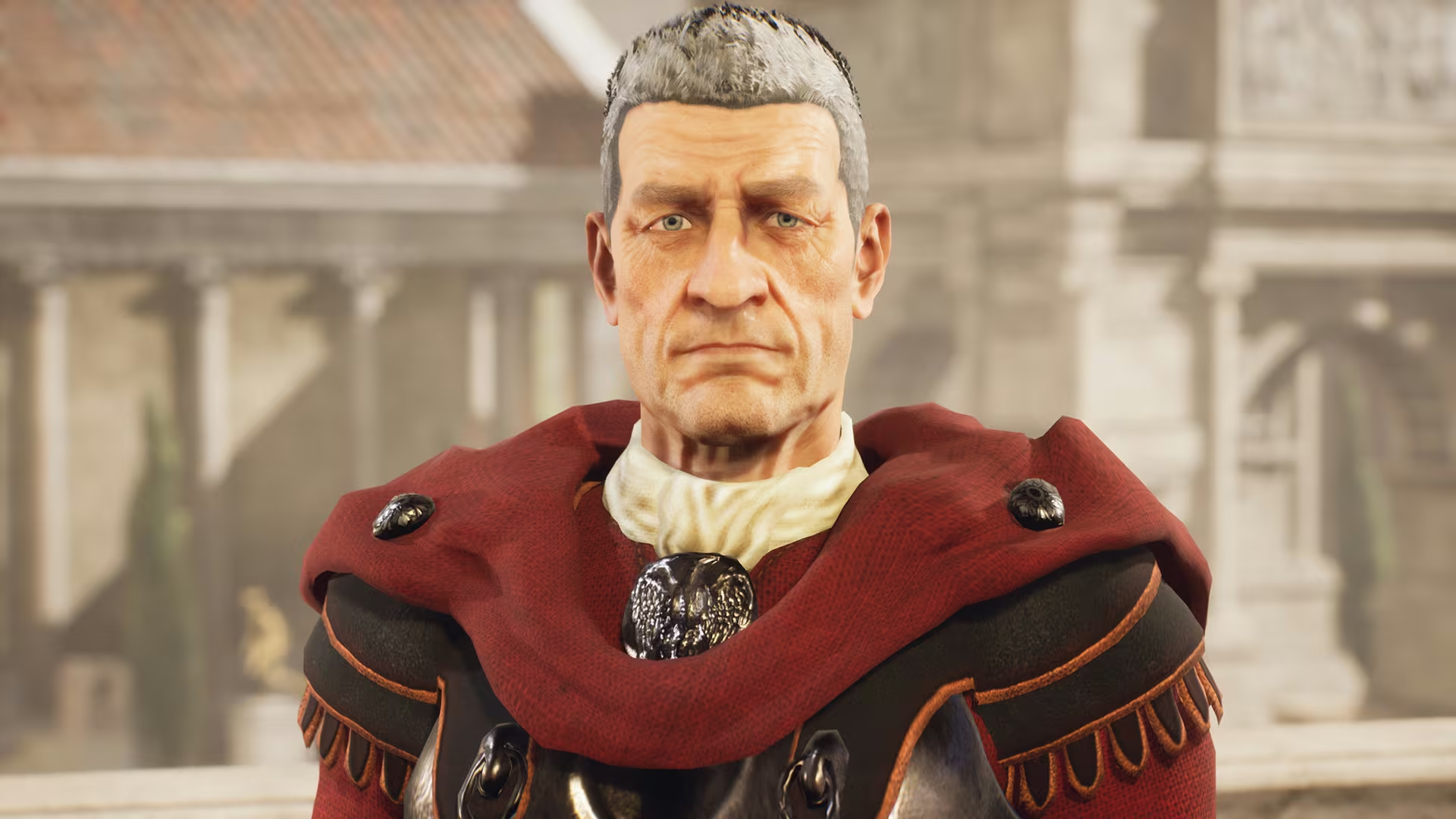
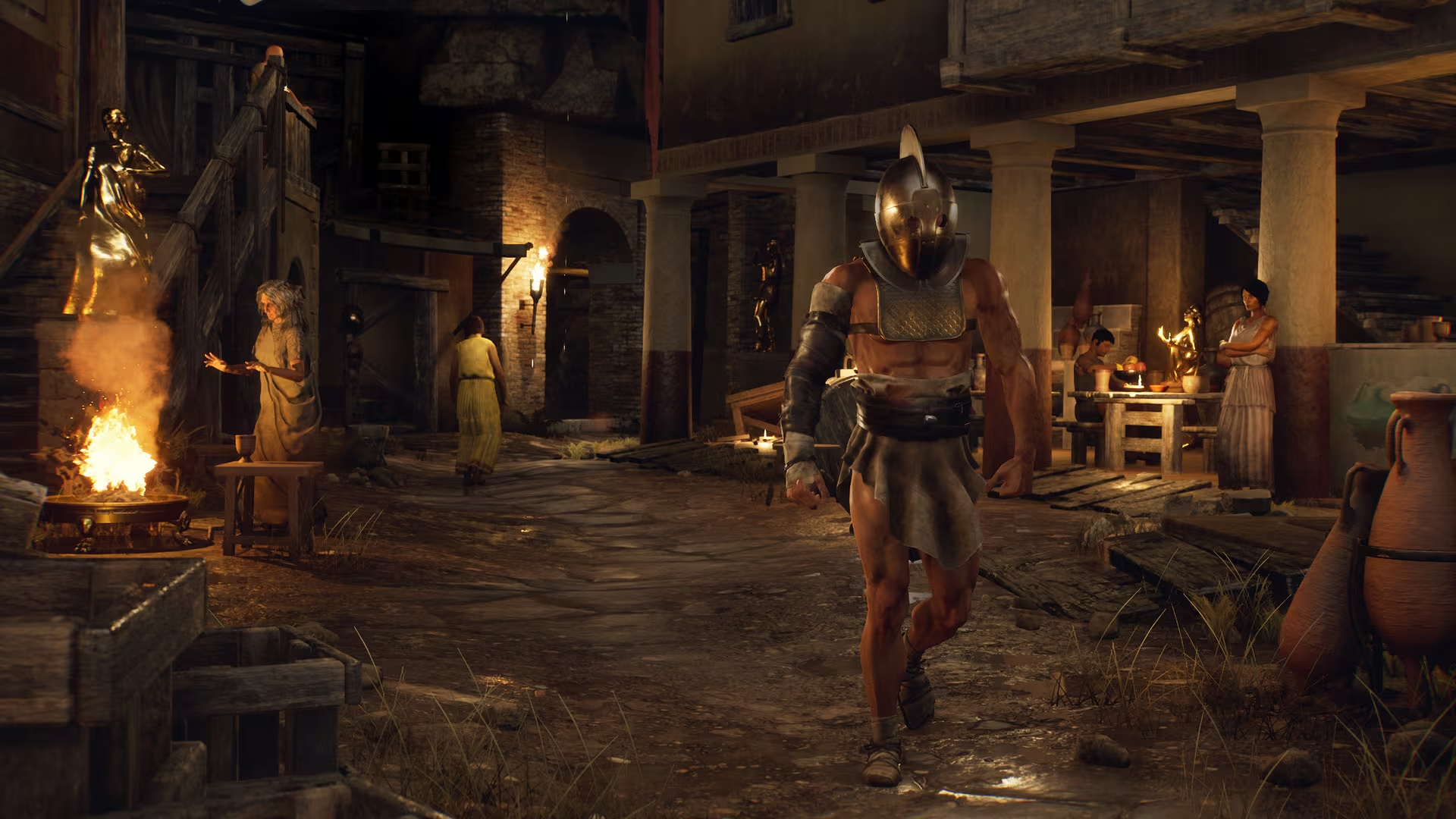
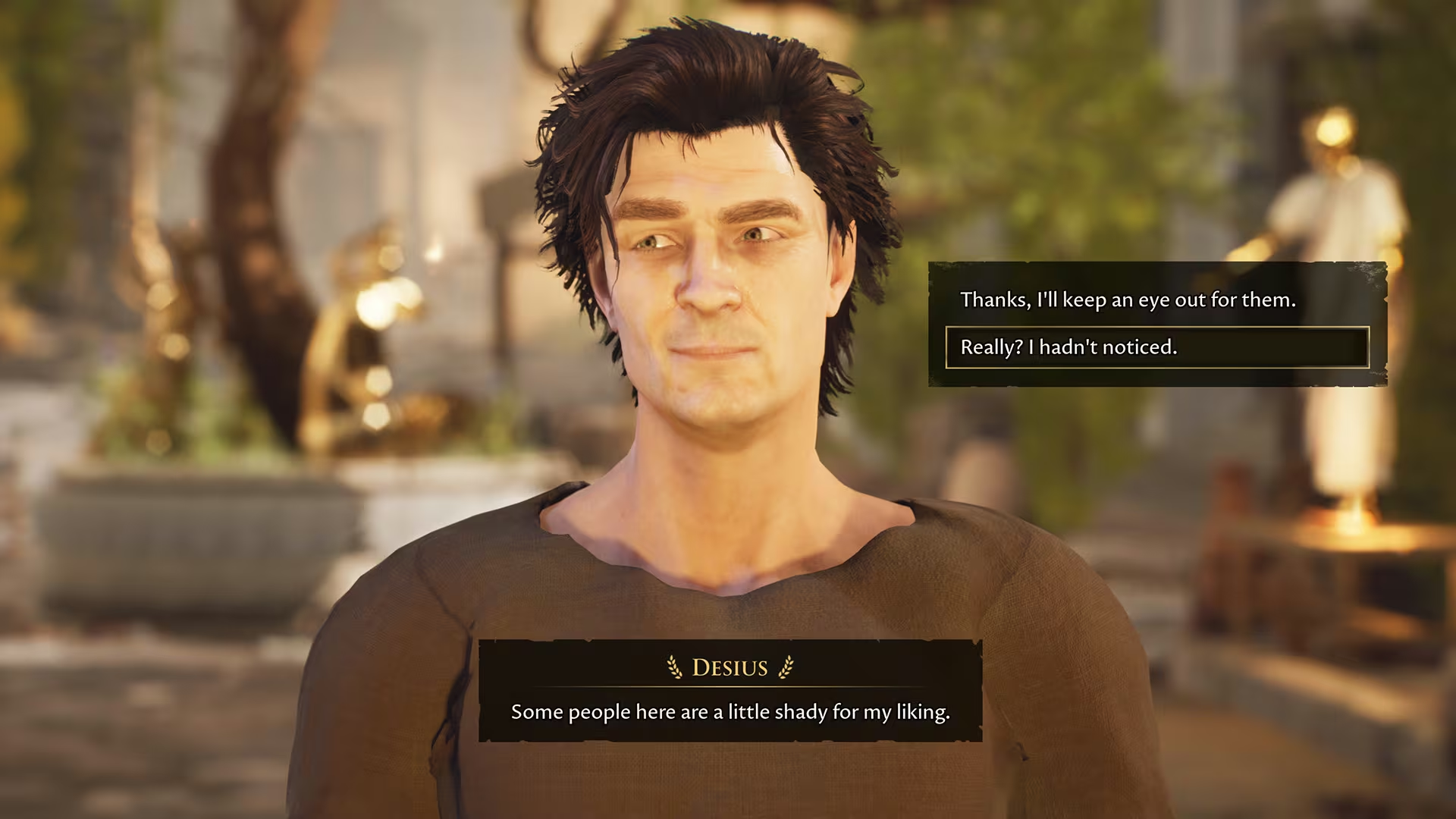
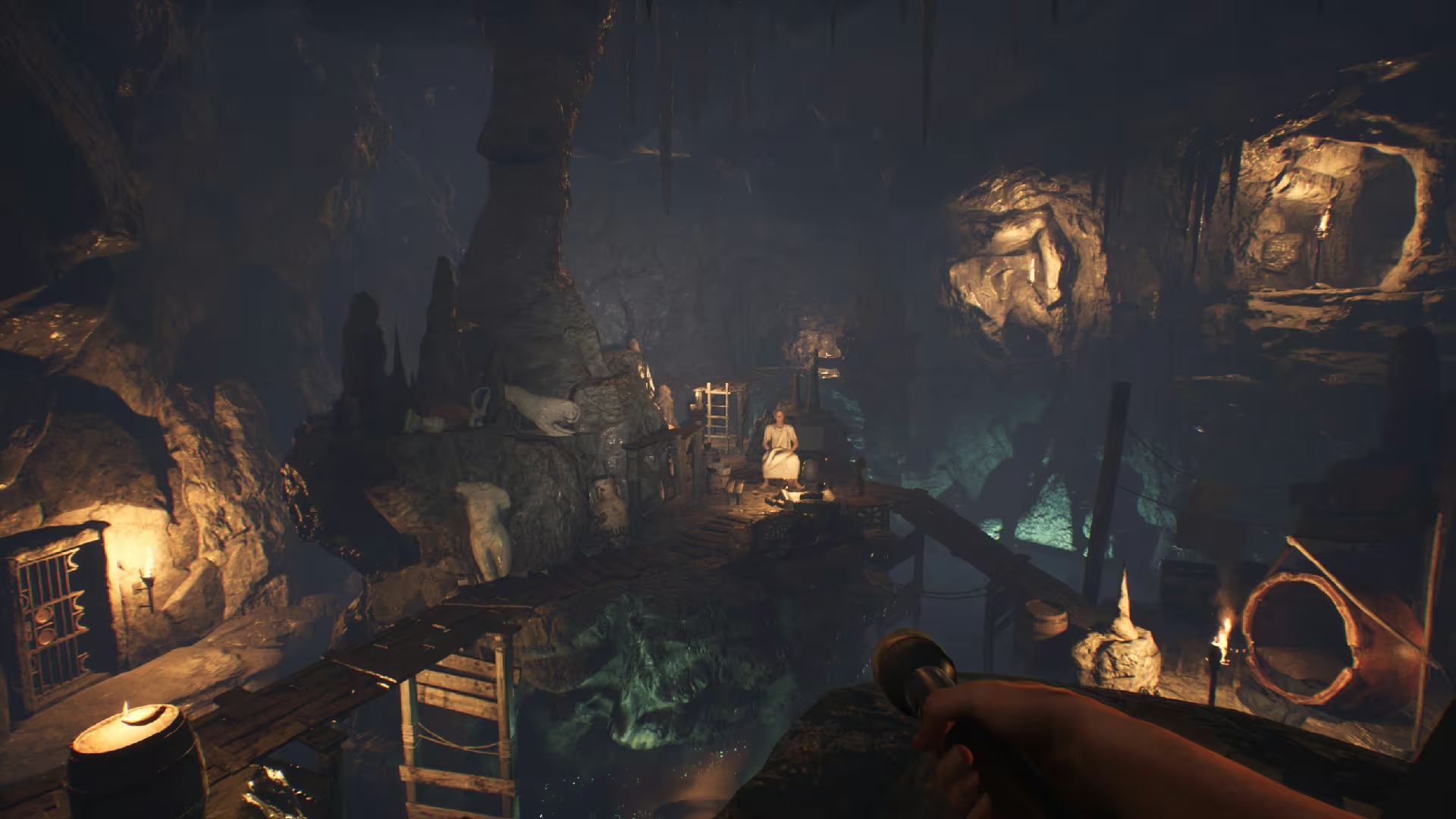
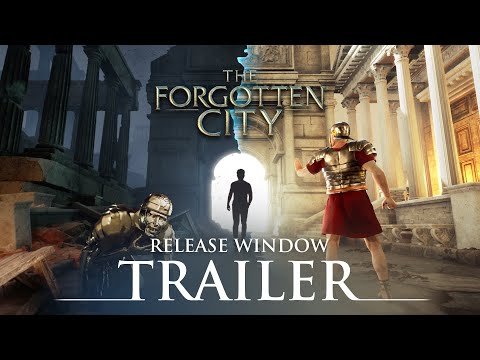
The Forgotten City is a narrative-driven time loop adventure in ancient Rome. Discover the ruins of an ancient underground city, travel 2000 years into the past, and unravel the mystery of who destroyed it by cleverly exploiting the power to wind back time. The fate of the city is in your hands.

Global score

96/100

Genres

Adventure, Indie, Role-playing (RPG)

Pros

  • Engaging and original story
  • Well-developed characters
  • Thought-provoking philosophical themes
  • Immersive historical setting
  • Multiple endings and replay value

Cons

  • Short game length
  • Some clunky animations and minor bugs
  • Minimal and unpolished combat
  • Linear exploration with limited player customization
  • Some pacing issues in dialogue

Motivations

  • Autonomy
    4

    "Players have freedom to explore, investigate, and choose dialogue options affecting outcomes, with multiple endings and ways to solve puzzles."

  • Competence
    2

    "Game involves puzzle solving, investigation, and dialogue choices requiring thought, though combat and action elements are minimal and not challenging."

  • Competition
    -5

    "No evidence of competitive elements; focus is on personal discovery and story progression without player comparison."

  • Continuation
    3

    "Players report being drawn into the story, playing multiple loops and endings, with some replay value and engagement over several hours."

  • Cooperation
    -5

    "Single-player experience focused on individual investigation and interaction with NPCs, no multiplayer or cooperative gameplay."

  • Creativity
    3

    "Players creatively solve puzzles and explore different dialogue paths and endings; however, gameplay is structured around a set narrative."

  • Domination
    -5

    "No indications of exerting control or superiority over others; interactions are narrative-driven and balanced."

  • Escapism
    4

    "Players use the game to immerse themselves in a rich historical and philosophical narrative, escaping real life through story and exploration."

  • Expectation
    -4

    "Players engage voluntarily out of interest and intrinsic motivation to explore story and mysteries, not out of obligation."

  • Experimenting
    3

    "Game encourages trying different dialogue options, exploring multiple endings, and experimenting with puzzle solutions."

  • Exploration
    3

    "Players explore a detailed Roman city environment, uncover secrets, and learn about characters and lore."

  • Expression
    -3

    "Limited player customization; focus is on narrative and dialogue rather than avatar or environment personalization."

  • Fantasy
    3

    "Game features time loops, supernatural elements, and mythological themes set in an imaginative Roman city."

  • Fellowship
    -5

    "Single-player game with minimal social interaction beyond NPCs; no community or multiplayer features."

  • Growth
    3

    "Players develop understanding of story, characters, and puzzles, gaining knowledge and insight through loops."

  • Health
    -5

    "No physical activity or health-related gameplay elements; typical sedentary gaming experience."

  • Idle
    -3

    "Requires focused attention on dialogue, exploration, and puzzle solving; not designed for casual or background play."

  • Intimacy
    2

    "Players form emotional connections with well-developed characters through dialogue and story."

  • Leadership
    -5

    "No leadership or group management mechanics; player acts individually within narrative."

  • Progression
    2

    "Progression is narrative-based through unlocking dialogue options and story outcomes rather than item or power accumulation."

  • Relaxation
    3

    "Game offers a balanced, immersive experience with thoughtful pacing and minimal stress or tension."

  • Sensation
    2

    "Visuals and sound design are praised for atmosphere and immersion, though not focused on intense sensory stimulation."

  • Status
    -5

    "No social status or recognition systems; focus is on personal story experience."

  • Story
    5

    "Highly praised narrative immersion with complex characters, philosophical themes, and multiple endings."

  • Strategy
    3

    "Players engage in mental challenge through puzzle solving, planning dialogue approaches, and managing time loops."

  • Thrill
    1

    "Some suspense and mystery elements present, but overall experience is more contemplative than thrilling."

  • Value
    3

    "Players generally feel the game offers good value for its price, especially on sale, due to story quality and replayability."

  • Violence
    -4

    "Minimal combat present; game emphasizes non-violent problem solving and dialogue over destruction."

  • Survival
    1

    "Some elements of avoiding failure via time loops, but low risk and no traditional survival mechanics."

Similar games

    Last update: 06/03/2026