Betrayal At Club Low Thumbnail

Betrayal At Club Low similar games & best alternatives

Betrayal At Club Low

PC (Microsoft Windows) • 2022

Related articles

Quick resume

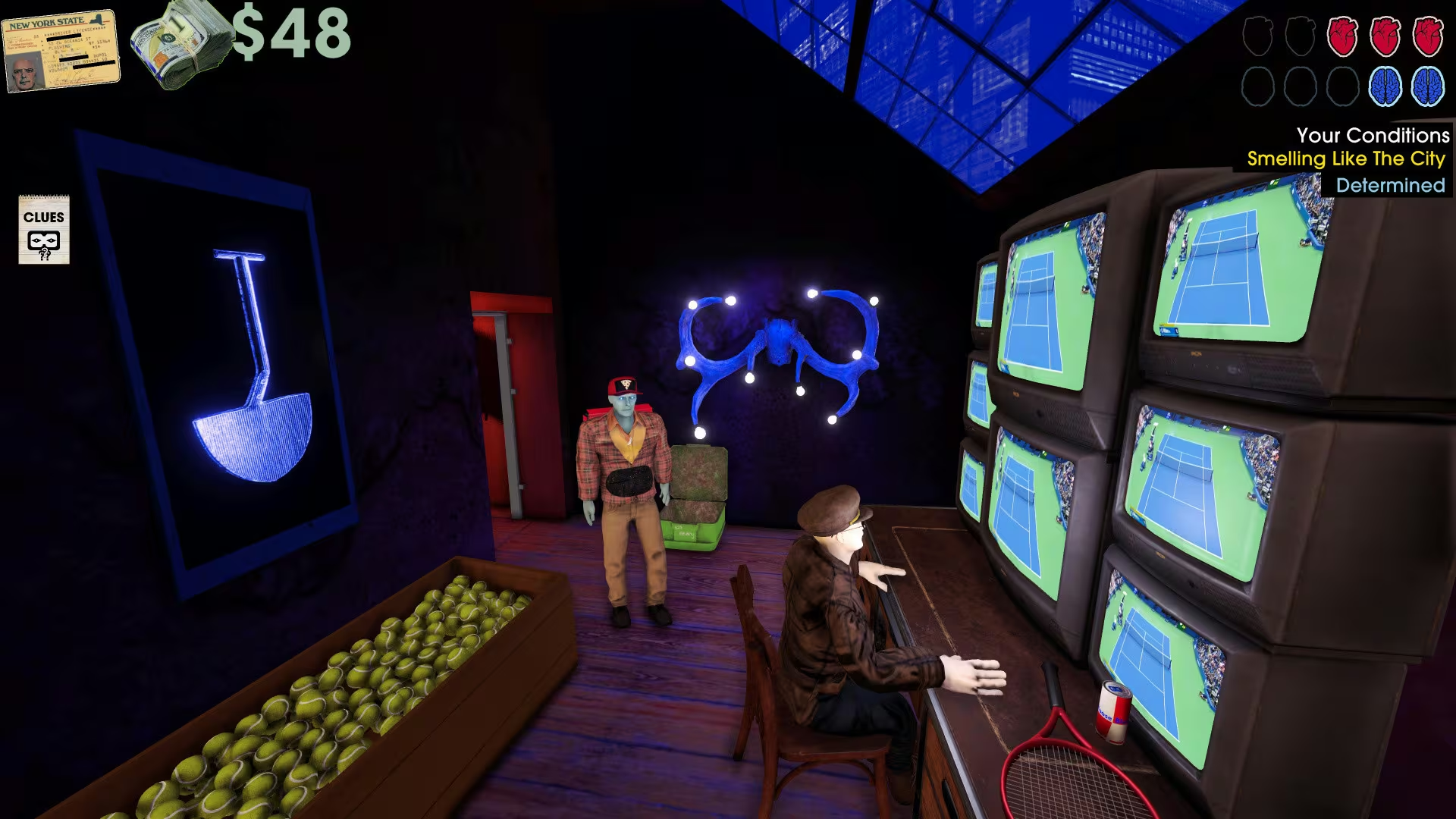
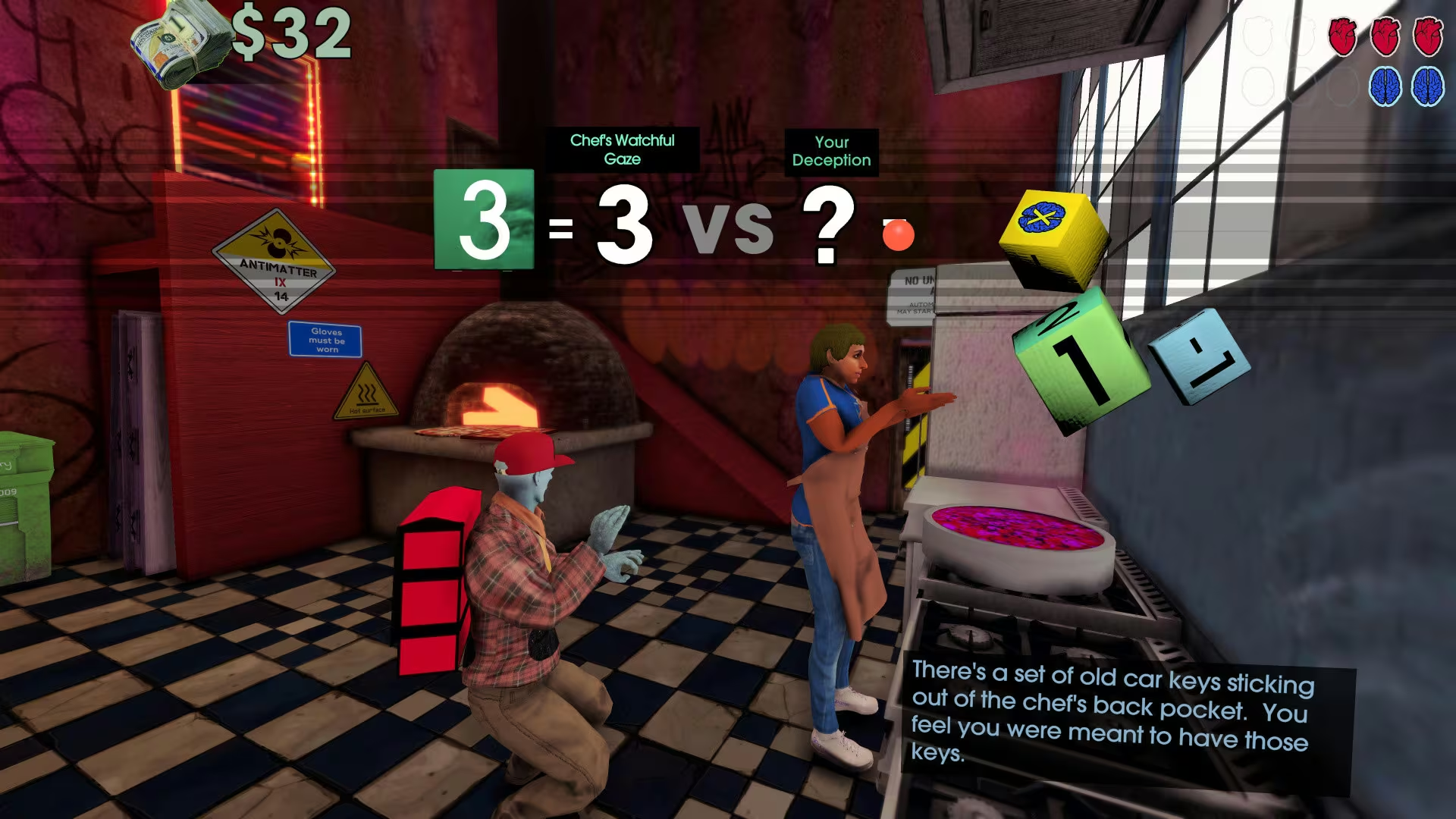
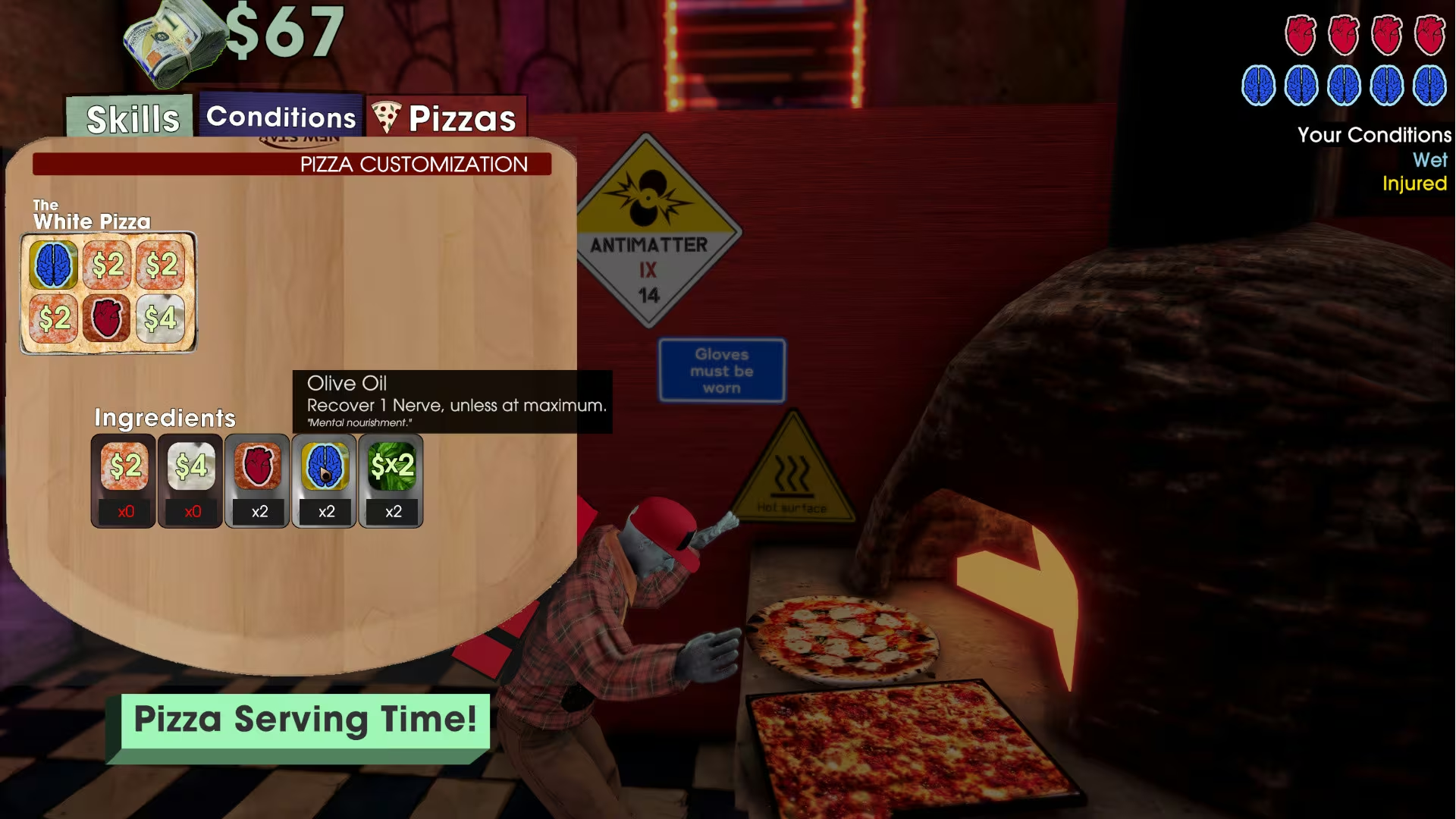
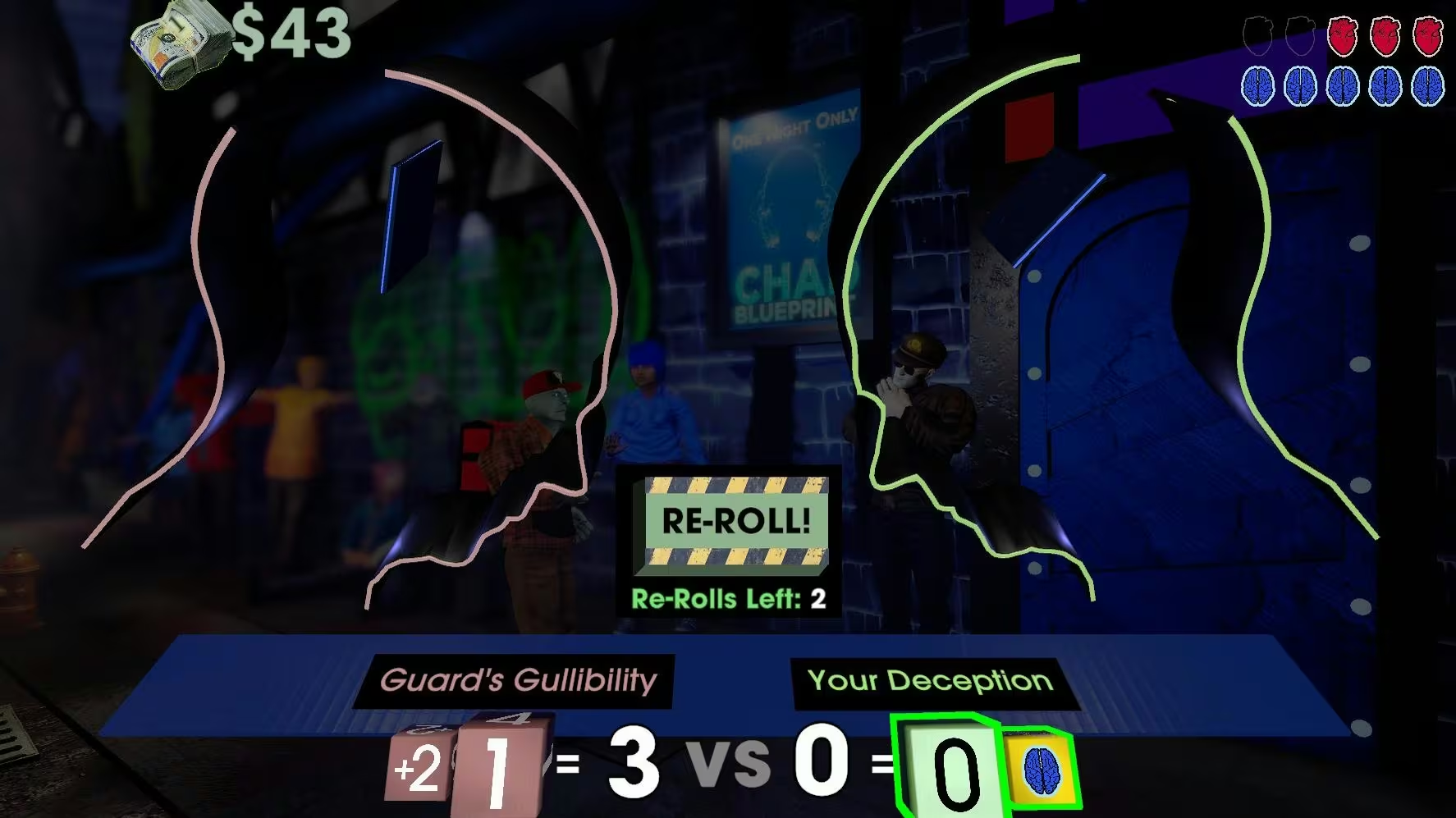
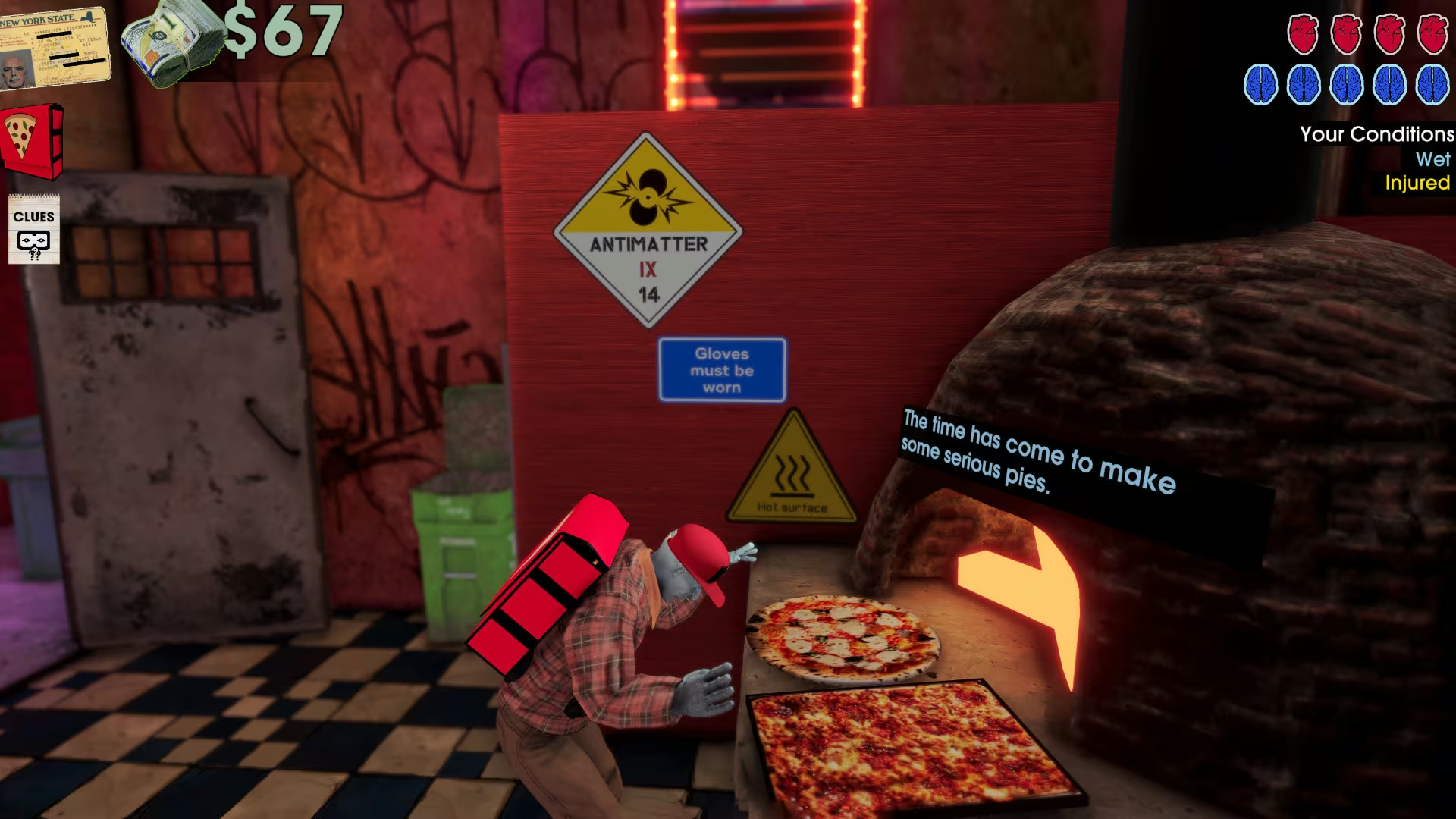
Tonight you're on a rescue mission, infiltrating a nightclub that was once a coffin factory. Will you succeed? Will you fail? Or will your night take an unexpected detour? Roll the Pizza Dice and find out!

Global score

97/100

Genres

Adventure, Indie, Role-playing (RPG), Point-and-click

Similar games

    Pros

    • Unique and engaging dice-based rpg mechanics
    • Strong surreal atmosphere and music
    • Multiple endings and high replayability
    • Creative character and dice customization
    • Compact and well-designed gameplay experience

    Cons

    • Short overall playtime
    • Limited exploration area
    • Steep learning curve for dice mechanics
    • Lack of multiplayer or social features
    • Some players find difficulty frustrating

    Analysis

    Broadly representative of its motivational profile, with a few distinct shifts. Motivations that often define this kind of title include Fellowship, Cooperation, Leadership, Violence. Here, the score leans higher than usual among comparable games on Story, Experimenting. It leans lower than usual among comparable games on Violence.

    How to use the graph
    Similar games map

    Each dot is a game. They are arranged from the same motivation profile as in the “Motivations” section below. Closer dots usually mean more similar reasons to play (exploration, competition, relaxation, etc.)—not that one game is “better” than another.

    • Larger dot with a light outline: the game you are viewing.
    • Colour: groups of games with comparable motivation patterns (statistical clusters).
    • Hover a dot to see the game name; click to open its page.
    • Scroll or double-click the chart to zoom out and see more games.

    Why don’t the axes read like a score? This view uses t-SNE: it only keeps who is close to whom. The scales are not “good to bad” or hours played—they separate groups on the map. Read distance between dots, not the axis numbers.

    Motivations

    • Autonomy
      4

      "Players have significant control over dice customization, skill upgrades, and choice of dialogue/actions, allowing personal strategy and decision-making."

    • Competence
      4

      "The game involves skillful dice manipulation, strategic resource management, and overcoming challenging dice-roll mechanics with feedback on performance."

    • Competition
      -4

      "Focus is on individual playthroughs and personal strategy without leaderboards or direct player-vs-player competition."

    • Continuation
      3

      "Multiple endings, modifiers, and replayability encourage repeated playthroughs and habitual engagement."

    • Cooperation
      -5

      "Single-player experience with no multiplayer or cooperative gameplay elements."

    • Creativity
      4

      "Players creatively build and customize dice, choose different skill builds, and explore multiple narrative paths."

    • Domination
      -5

      "No evidence of exerting control or superiority over others; gameplay is solo and non-confrontational."

    • Escapism
      5

      "Strong surreal, dreamlike atmosphere and narrative encourage immersion and escape from reality."

    • Expectation
      -4

      "Players engage voluntarily out of interest and enjoyment, with no obligation or external pressure."

    • Experimenting
      5

      "Encourages trying different dice builds, strategies, and narrative choices across multiple playthroughs."

    • Exploration
      2

      "Exploration is limited to a small club environment but involves discovering multiple endings and narrative branches."

    • Expression
      3

      "Customization of dice and skill builds allows personal expression within gameplay mechanics."

    • Fantasy
      5

      "Highly imaginative, surreal setting with bizarre characters and improbable events."

    • Fellowship
      -5

      "No social or community features; strictly single-player experience."

    • Growth
      4

      "Players develop skills, learn dice mechanics, and improve strategies through repeated play."

    • Health
      -5

      "Sedentary gameplay with no physical activity or health-related features."

    • Idle
      -3

      "Requires focused attention on dice rolls and strategy; not designed for passive or background play."

    • Intimacy
      -5

      "No evidence of close social relationships or emotional sharing; interactions are game-driven and brief."

    • Leadership
      -5

      "No leadership or group management roles; single-player focused."

    • Progression
      4

      "Players accumulate skill upgrades, dice improvements, and unlock multiple endings."

    • Relaxation
      2

      "Generally a chill vibe with music and atmosphere, but dice rolls and challenge can create tension."

    • Sensation
      4

      "Strong sensory stimulation from music, visuals, and sound design enhances emotional engagement."

    • Status
      -5

      "No social recognition or status systems; achievements are personal and not publicly ranked."

    • Story
      4

      "Narrative-driven with multiple endings and character interactions, though story is compact and surreal."

    • Strategy
      4

      "Requires planning dice builds, resource management, and tactical decision-making in dialogue and skill use."

    • Thrill
      3

      "Dice rolls create suspense and risk, providing moments of tension and excitement."

    • Value
      4

      "Short but dense experience with multiple endings and replayability offers good value for price."

    • Violence
      -5

      "No combat or destructive gameplay; focus is on dialogue and dice mechanics."

    • Survival
      2

      "Some risk of failure and resource management (health, nerve), but overall low threat environment."

    Last update: 29/04/2026