Flintlock: The Siege of Dawn Thumbnail

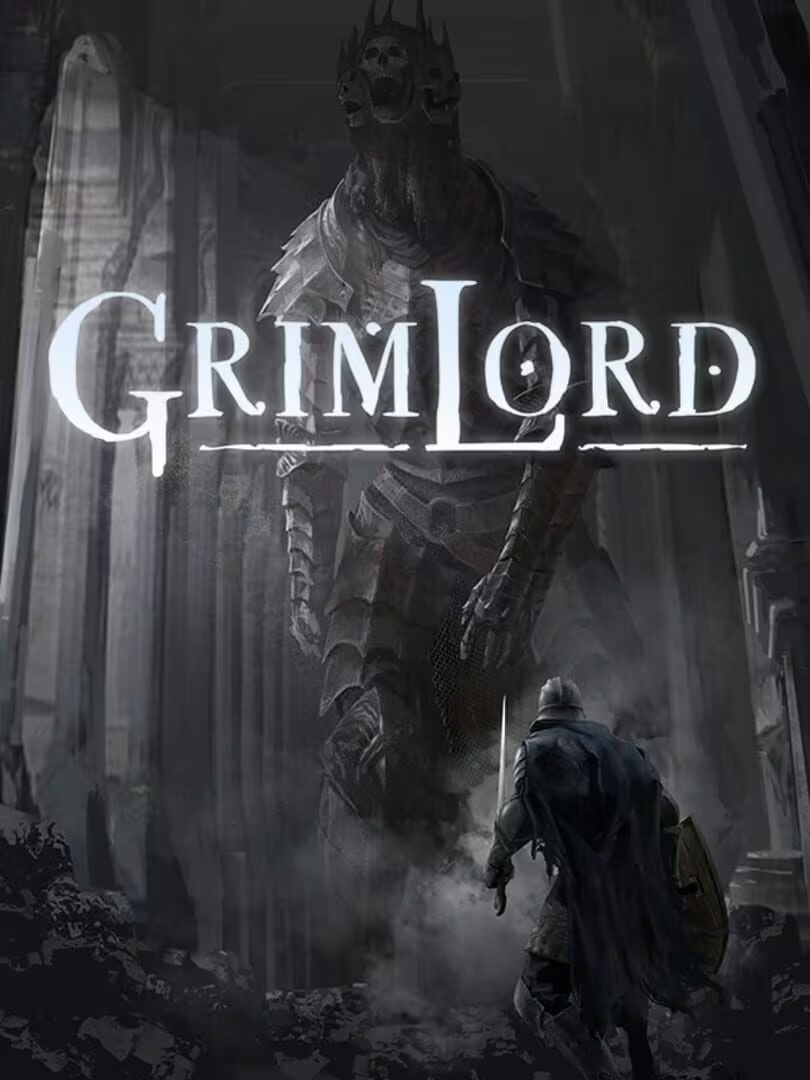
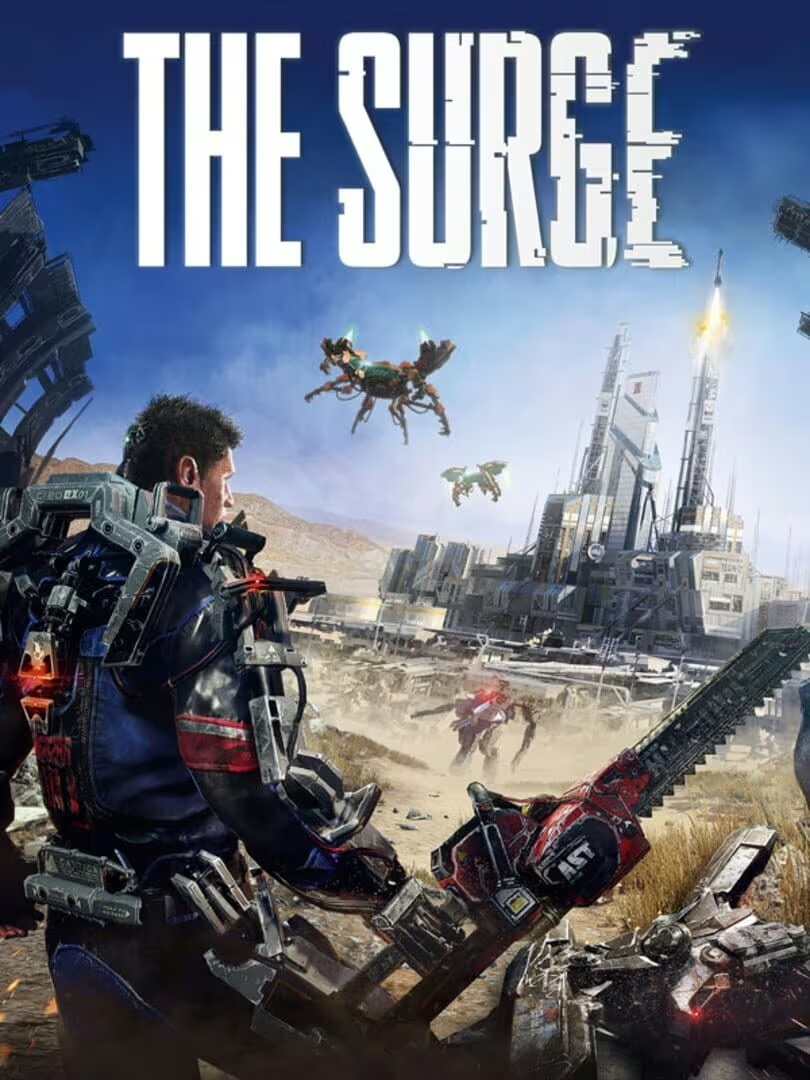
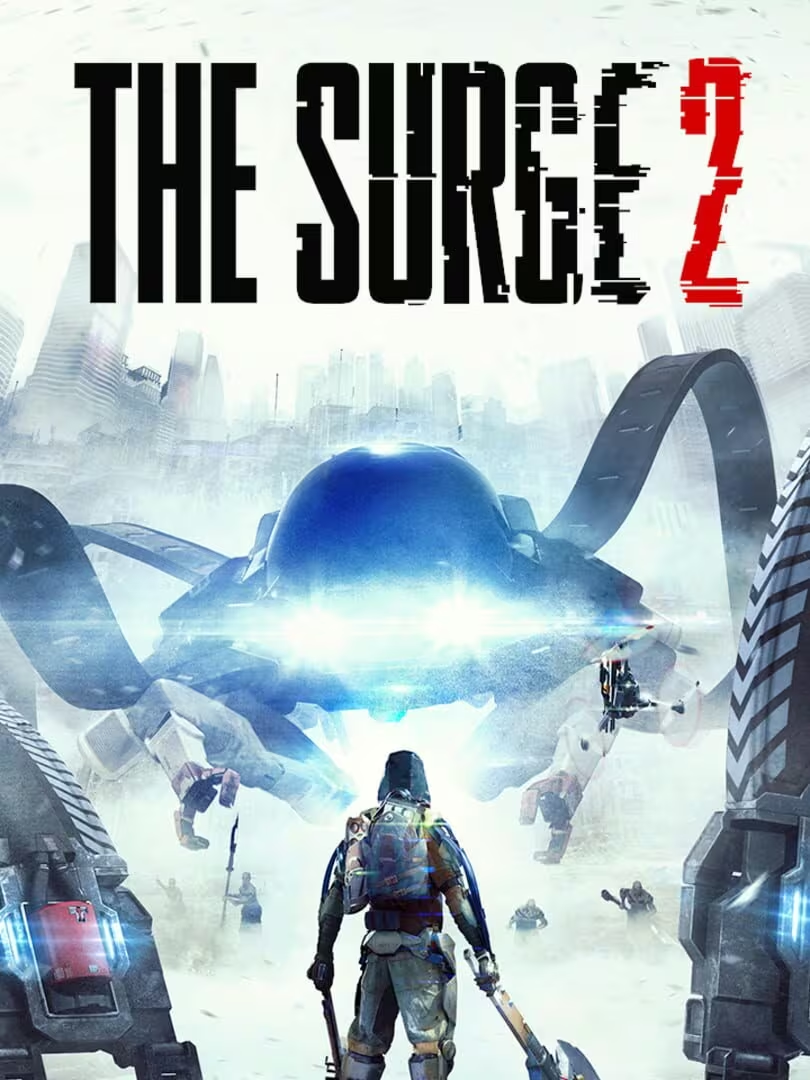
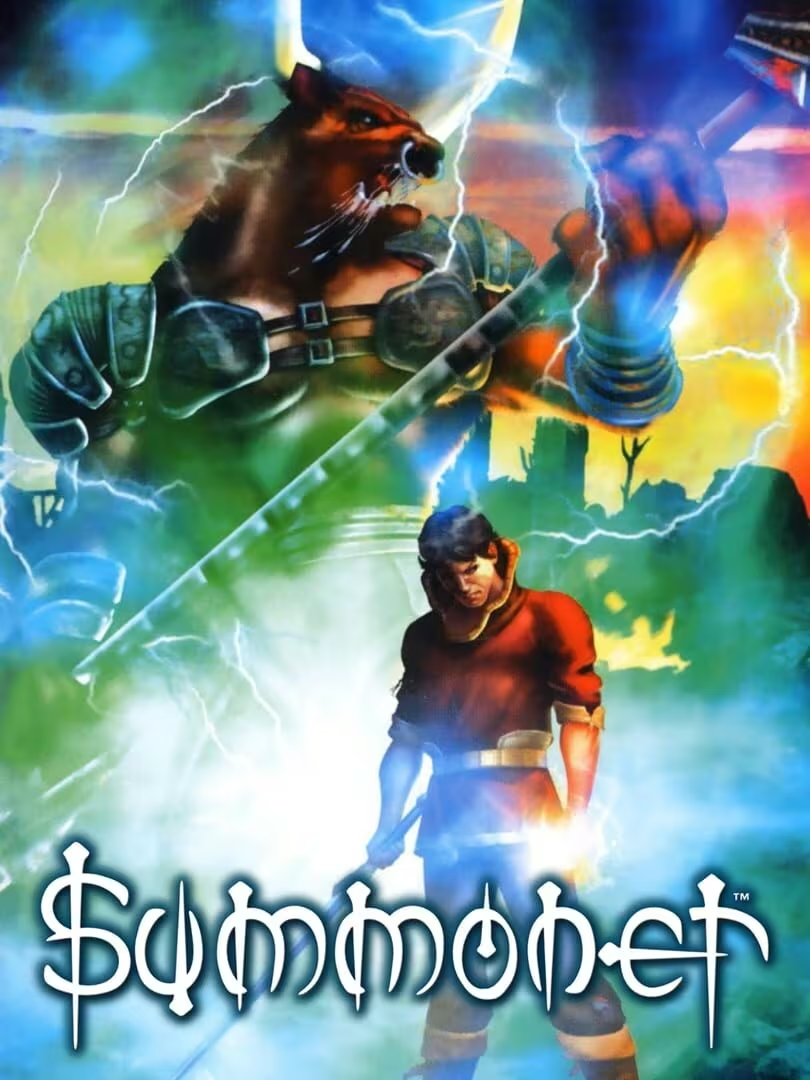
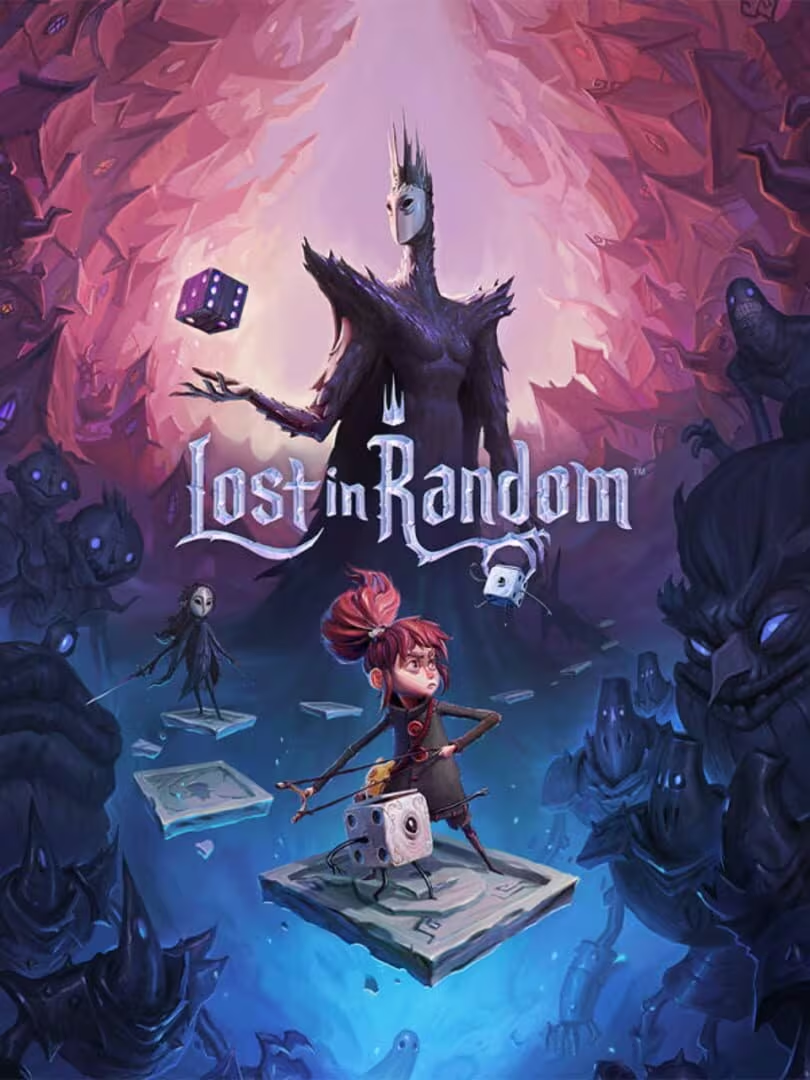
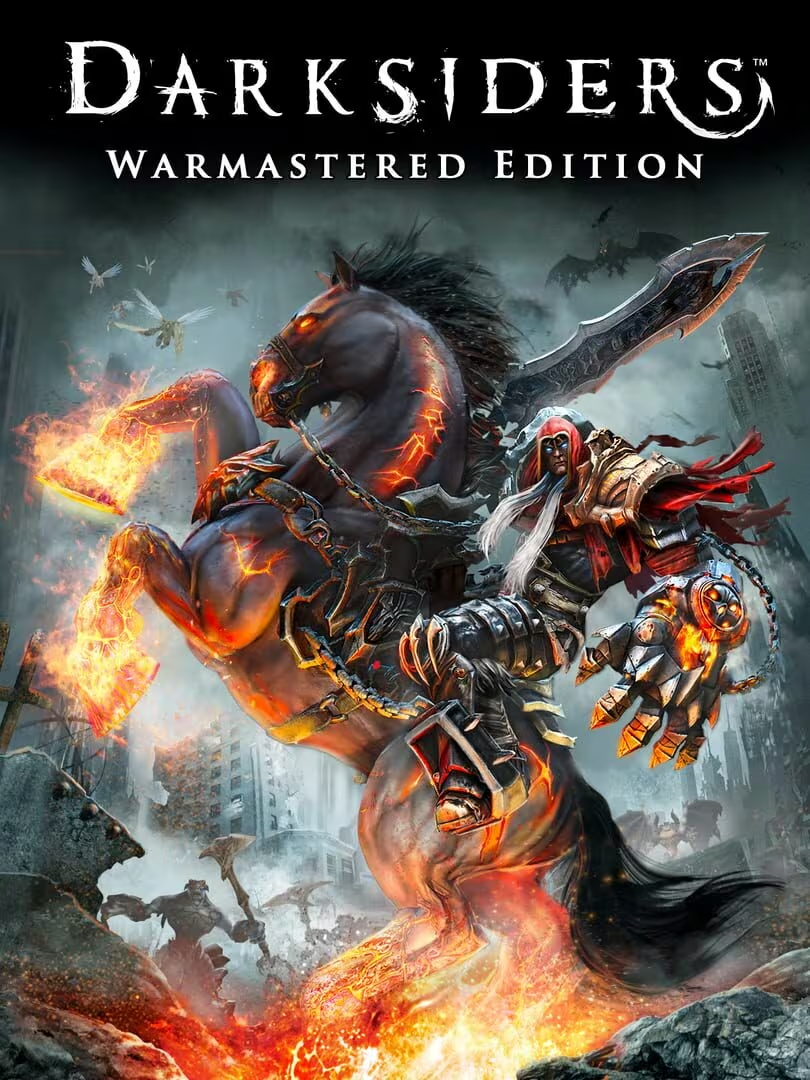
Flintlock: The Siege of Dawn similar games & best alternatives

Flintlock: The Siege of Dawn

PC (Microsoft Windows), Xbox Series X|S, PlayStation 5 • 2024

Related articles

Quick resume

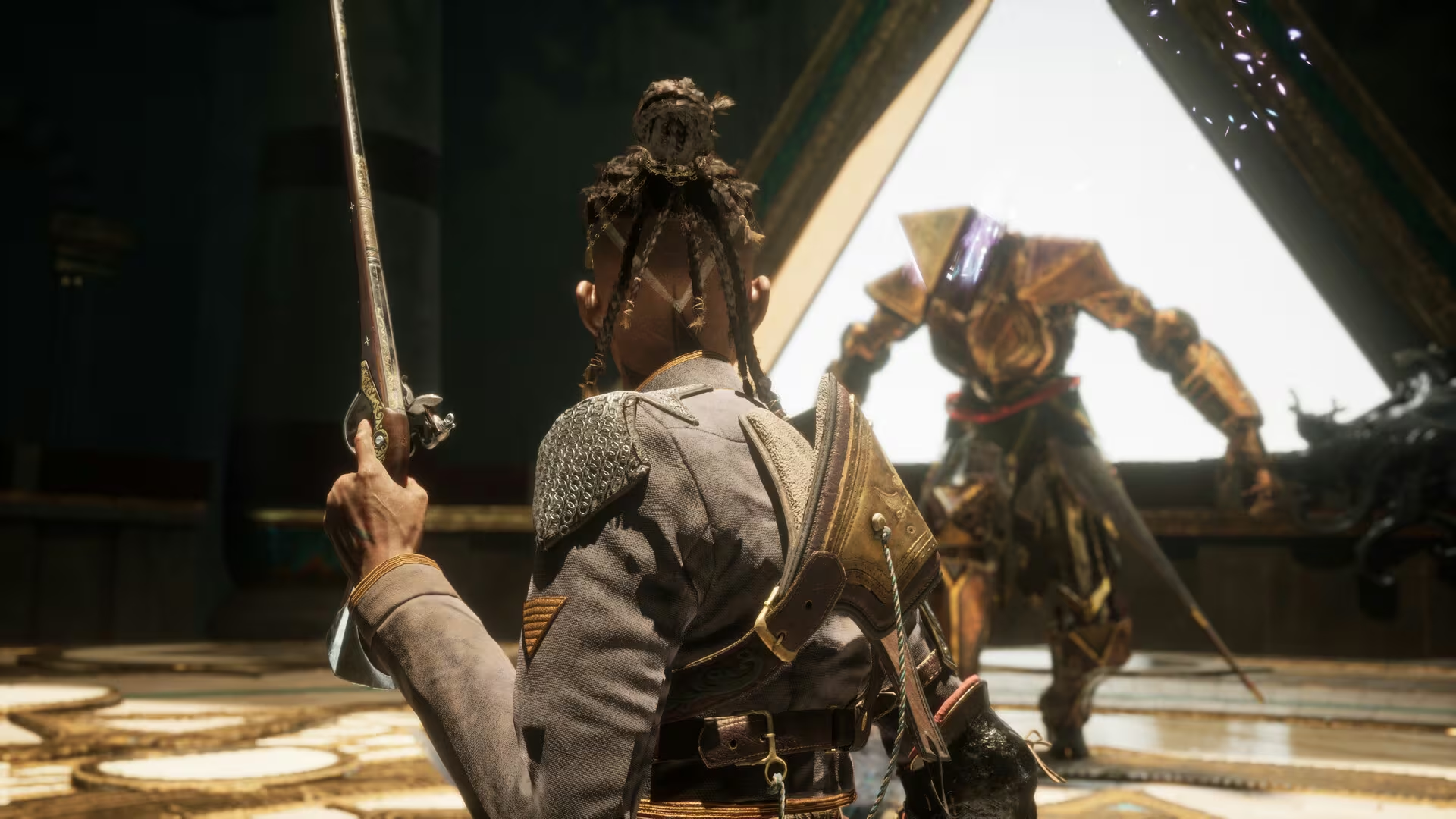
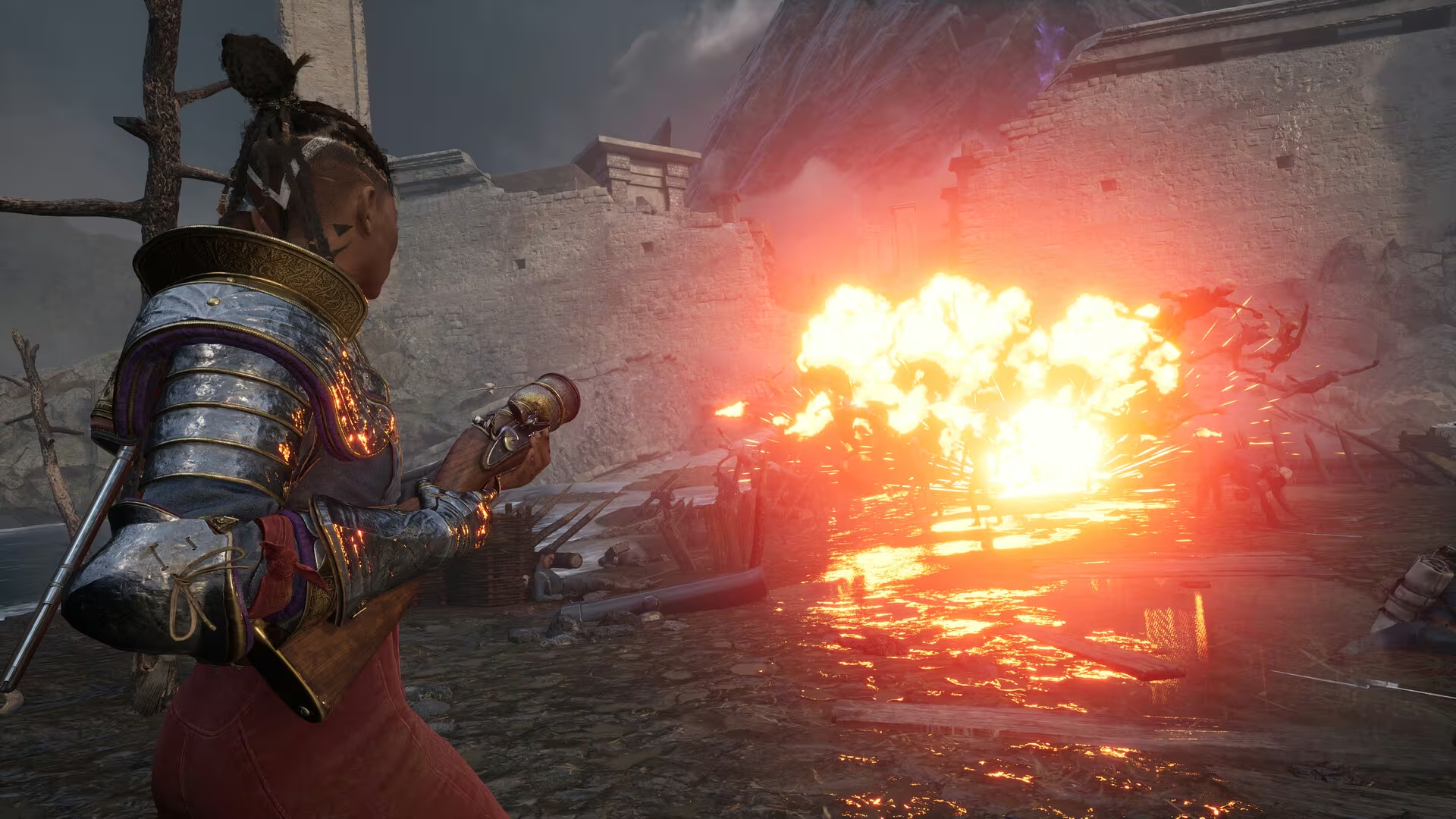
From games studio A44, makers of Ashen, comes an explosive Souls-lite, where Gods and guns collide in a battle for the future of humanity.

Global score

74/100

Genres

Action, Adventure, Role-playing (RPG), Indie

Similar games

    Pros

    • Engaging and fluid combat system
    • Interesting skill trees and character progression
    • Unique fantasy setting with good world design
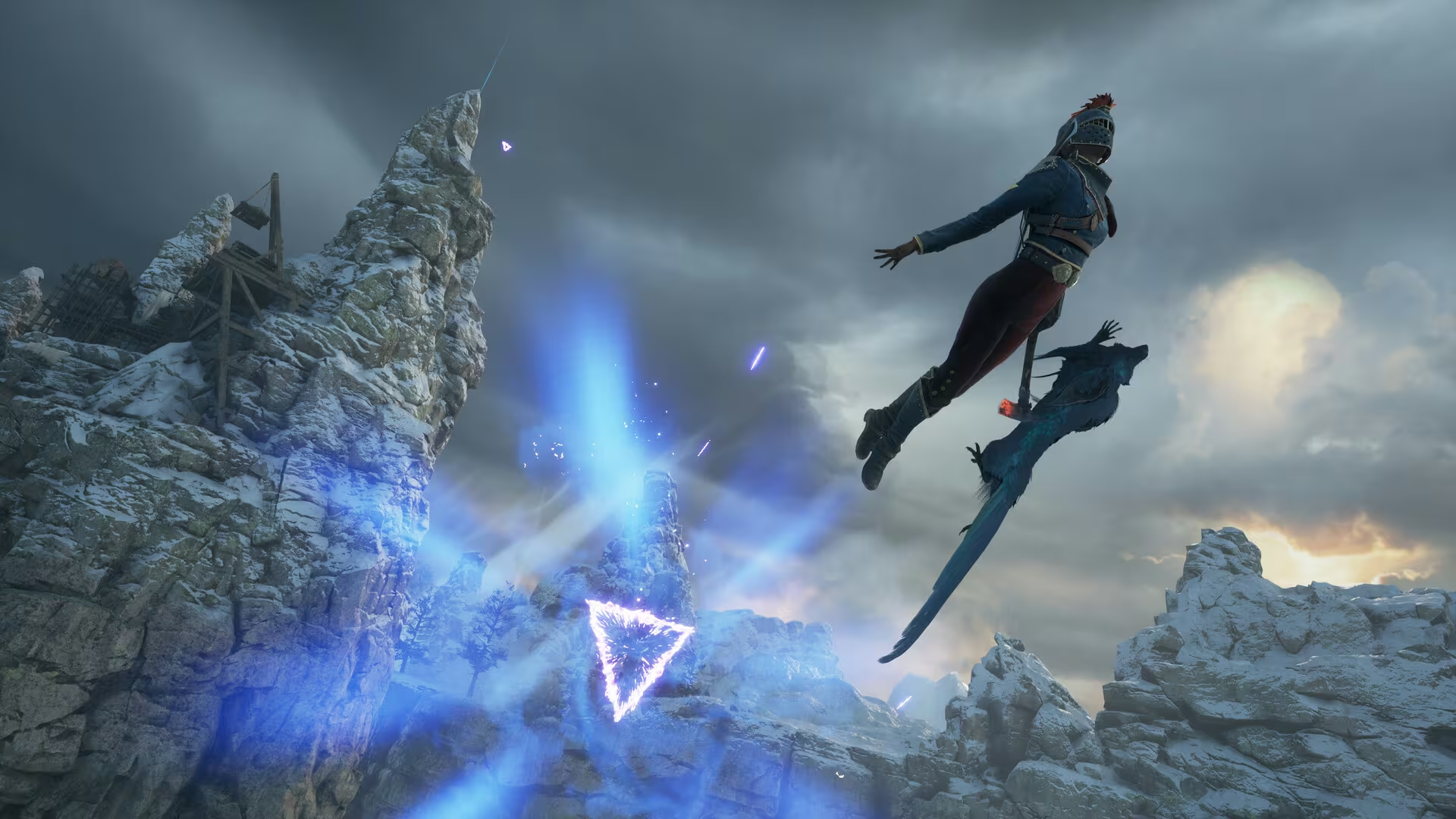
    • Satisfying exploration and traversal mechanics
    • Well-voiced characters and companion dynamics

    Cons

    • Short game length with limited replayability
    • Some technical issues and occasional bugs
    • Story considered generic and rushed by some
    • Limited enemy variety and boss encounters
    • Resource management can feel punishing

    Analysis

    A very typical example of its motivational profile. Motivations that often define this kind of title include Fellowship, Cooperation, Leadership, Violence. It leans lower than usual among comparable games on Value, Continuation, Creativity.

    How to use the graph
    Similar games map

    Each dot is a game. They are arranged from the same motivation profile as in the “Motivations” section below. Closer dots usually mean more similar reasons to play (exploration, competition, relaxation, etc.)—not that one game is “better” than another.

    • Larger dot with a light outline: the game you are viewing.
    • Colour: groups of games with comparable motivation patterns (statistical clusters).
    • Hover a dot to see the game name; click to open its page.
    • Scroll or double-click the chart to zoom out and see more games.

    Why don’t the axes read like a score? This view uses t-SNE: it only keeps who is close to whom. The scales are not “good to bad” or hours played—they separate groups on the map. Read distance between dots, not the axis numbers.

    Motivations

    • Autonomy
      3

      "Players have freedom in combat style choice, skill tree upgrades, and exploration paths, though the game is mostly linear."

    • Competence
      3

      "Combat requires skillful parrying, dodging, and combo management with feedback on performance; some players find it challenging but fair."

    • Competition
      -3

      "Focus is on single-player experience without ranked modes or leaderboards; gameplay is about personal progression and mastery."

    • Continuation
      2

      "Players report engaging combat and exploration that sustain play for 15-20 hours, though some find it short and not highly replayable."

    • Cooperation
      -5

      "Entirely single-player experience with no multiplayer or cooperative elements."

    • Creativity
      2

      "Players can customize skill trees and gear sets, and explore alternate paths, but overall gameplay follows established structures."

    • Domination
      -5

      "No evidence of exerting control or superiority over others; interactions are single-player focused."

    • Escapism
      4

      "Players use the game as a fun, immersive action experience to relax and escape, appreciating the world and story."

    • Expectation
      -4

      "Players engage voluntarily for fun and challenge, with no indication of obligation or external pressure."

    • Experimenting
      3

      "Players experiment with different combat styles, weapons, and skill builds to find effective strategies."

    • Exploration
      3

      "Game encourages exploration of maps with secrets, collectibles, and alternate routes, though world is not fully open."

    • Expression
      2

      "Players can customize character gear and cosmetics, though visual variety is somewhat limited."

    • Fantasy
      4

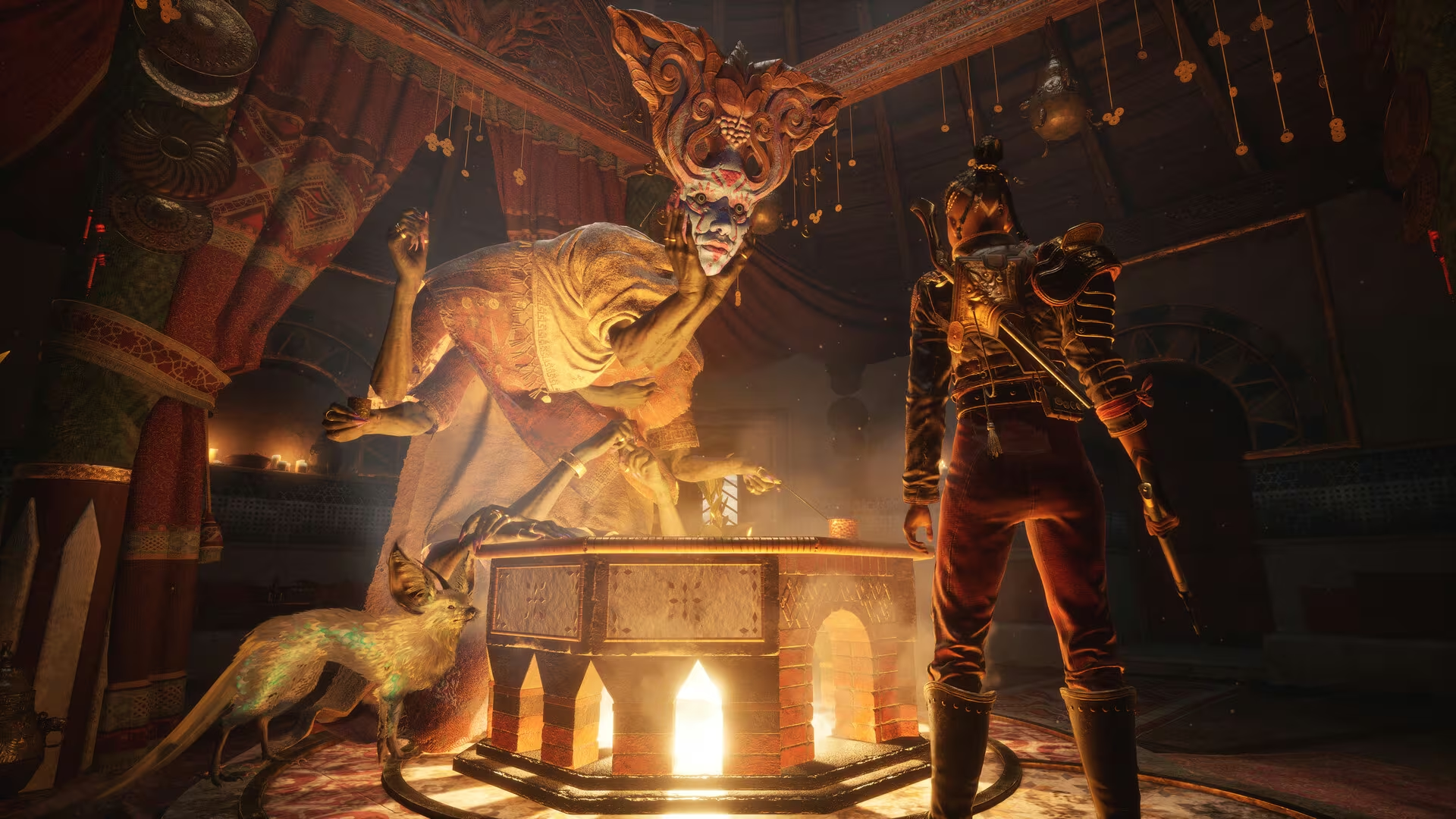
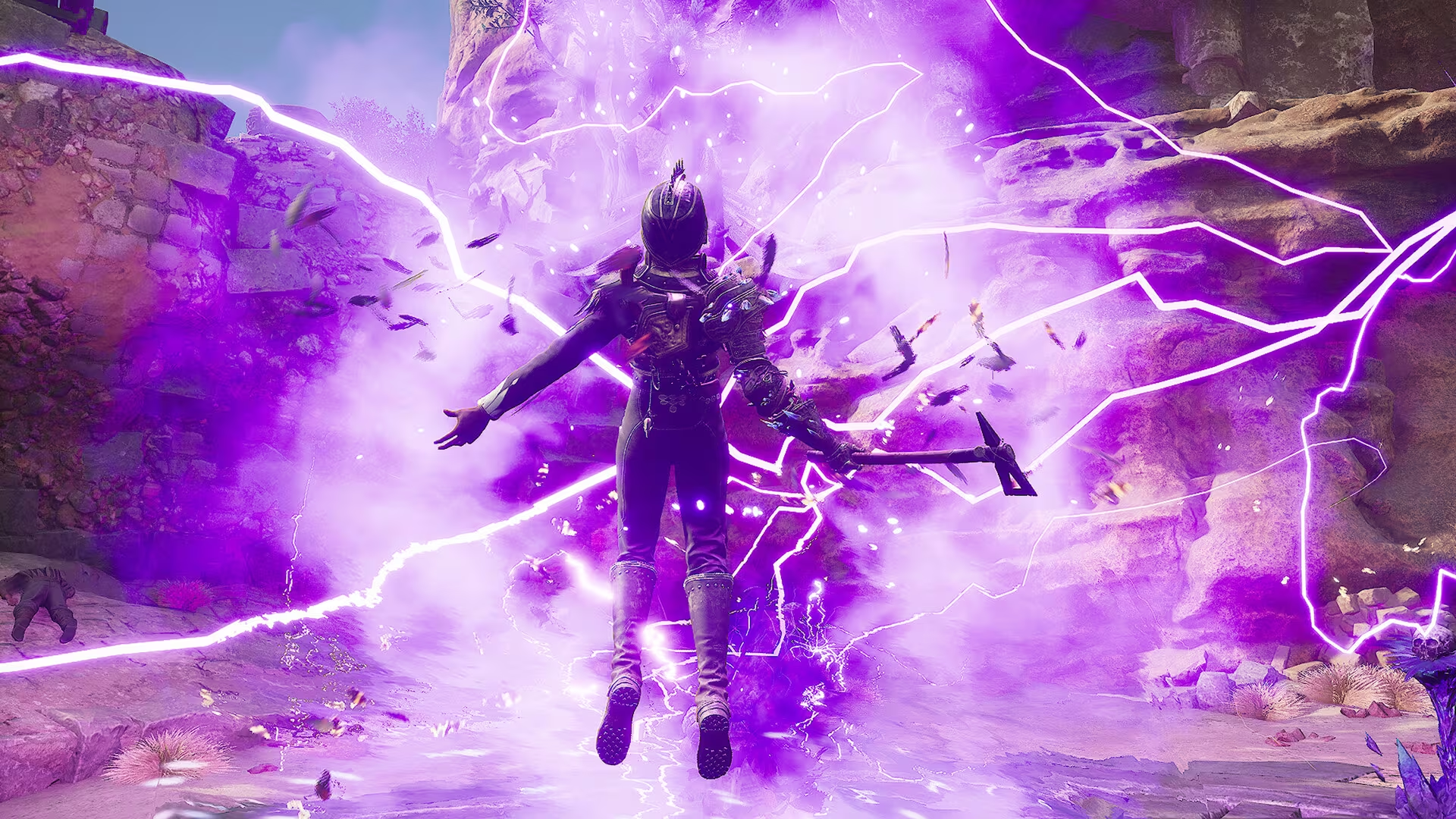
      "Set in a fantasy world with gods, magic, undead, and a fox god companion, providing an imaginative narrative."

    • Fellowship
      -5

      "No multiplayer or social community features; experience is solitary."

    • Growth
      3

      "Players develop skills, unlock abilities, and improve gear, showing learning and personal development."

    • Health
      -5

      "Standard sedentary gameplay with no physical activity or health-related mechanics."

    • Idle
      -3

      "Requires focused attention and engagement during combat and exploration; not a casual or background game."

    • Intimacy
      -4

      "Limited to character interactions in story; no close social relationships or multiplayer bonding."

    • Leadership
      -5

      "No leadership or group management roles; single-player focused."

    • Progression
      4

      "Players accumulate reputation, skill points, and gear upgrades to enhance their character and combat effectiveness."

    • Relaxation
      2

      "Combat and exploration provide satisfying flow and fun, though some players note occasional frustration or tension."

    • Sensation
      3

      "Visuals, animations, and sound design provide sensory enjoyment and excitement during combat and exploration."

    • Status
      -5

      "No social status or recognition systems; achievements are personal and not publicly ranked."

    • Story
      3

      "Narrative and character interactions are present and engaging, though story is considered generic by some."

    • Strategy
      3

      "Combat and skill tree require planning and tactical thinking to optimize builds and approach fights."

    • Thrill
      2

      "Combat encounters provide moments of tension and excitement, though difficulty is moderate and not extreme."

    • Value
      2

      "Players find good value in gameplay length and quality, especially when purchased on sale."

    • Violence
      3

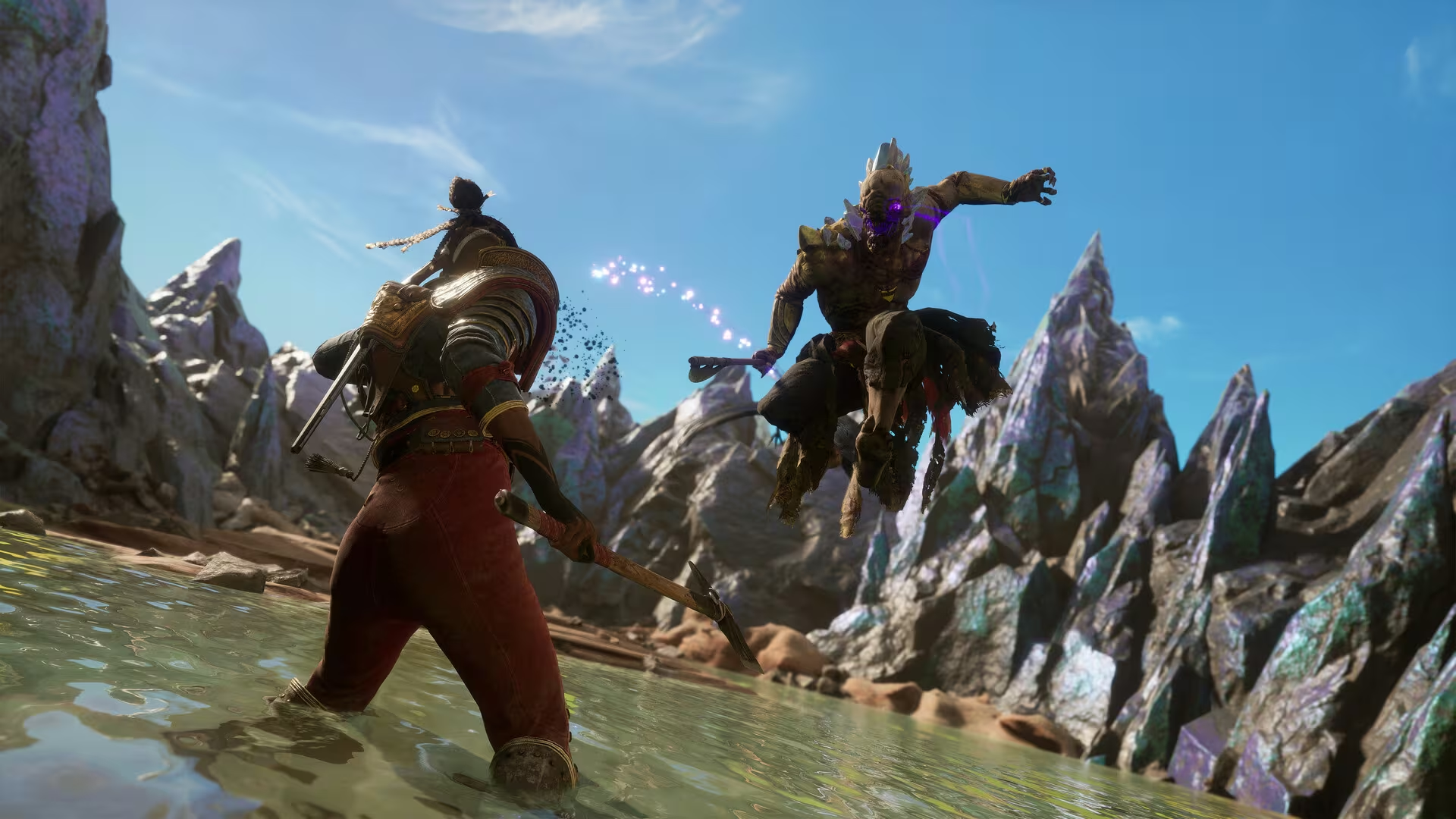
      "Combat involves melee and ranged attacks against enemies, with satisfying destruction and effects."

    • Survival
      2

      "Players must avoid death and manage resources like health and ammo to survive combat encounters."

    Last update: 29/04/2026