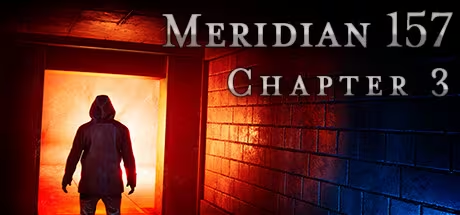
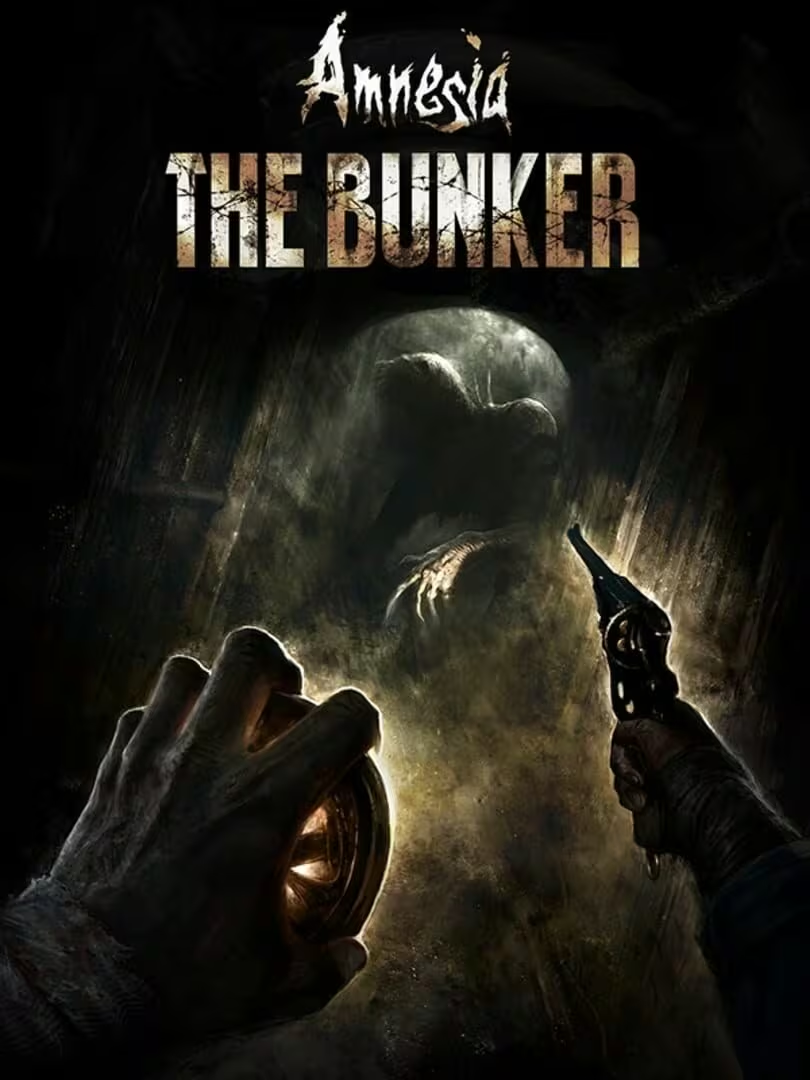
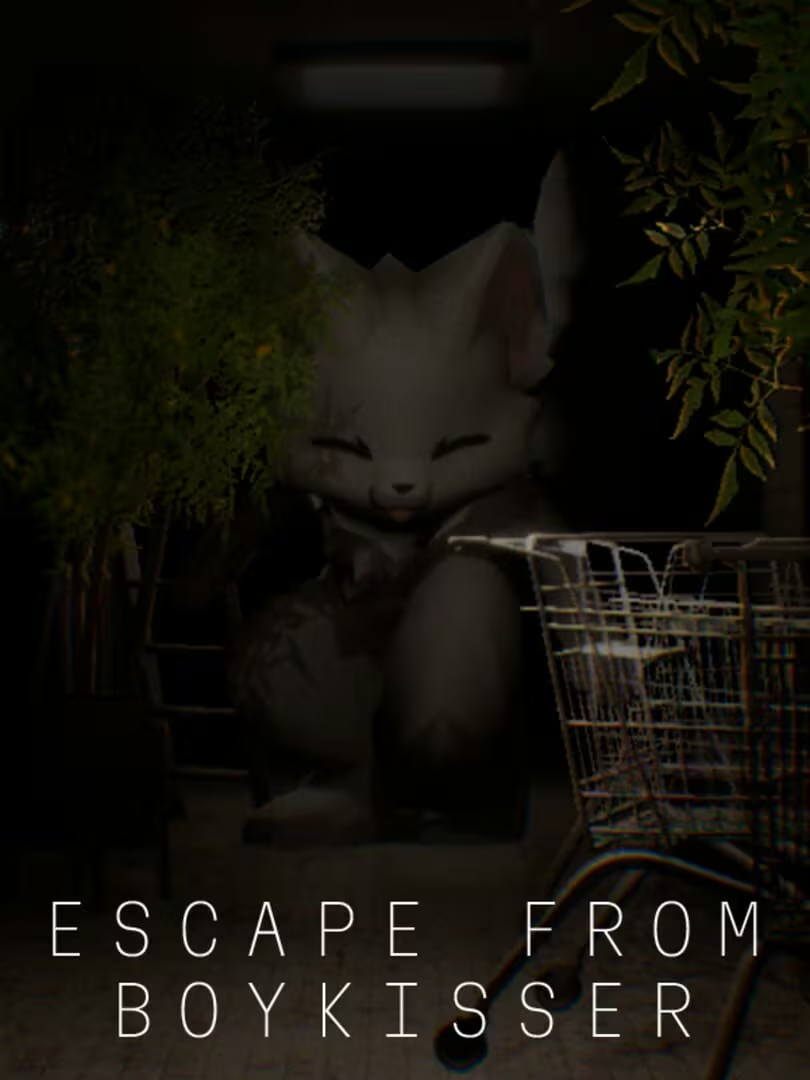
INFRA Thumbnail

INFRA similar games & best alternatives
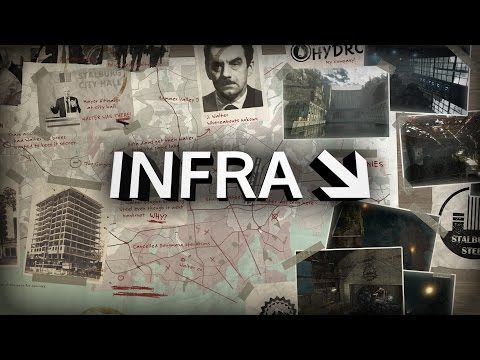
INFRA

PC (Microsoft Windows) • 2016

Related articles

Quick resume

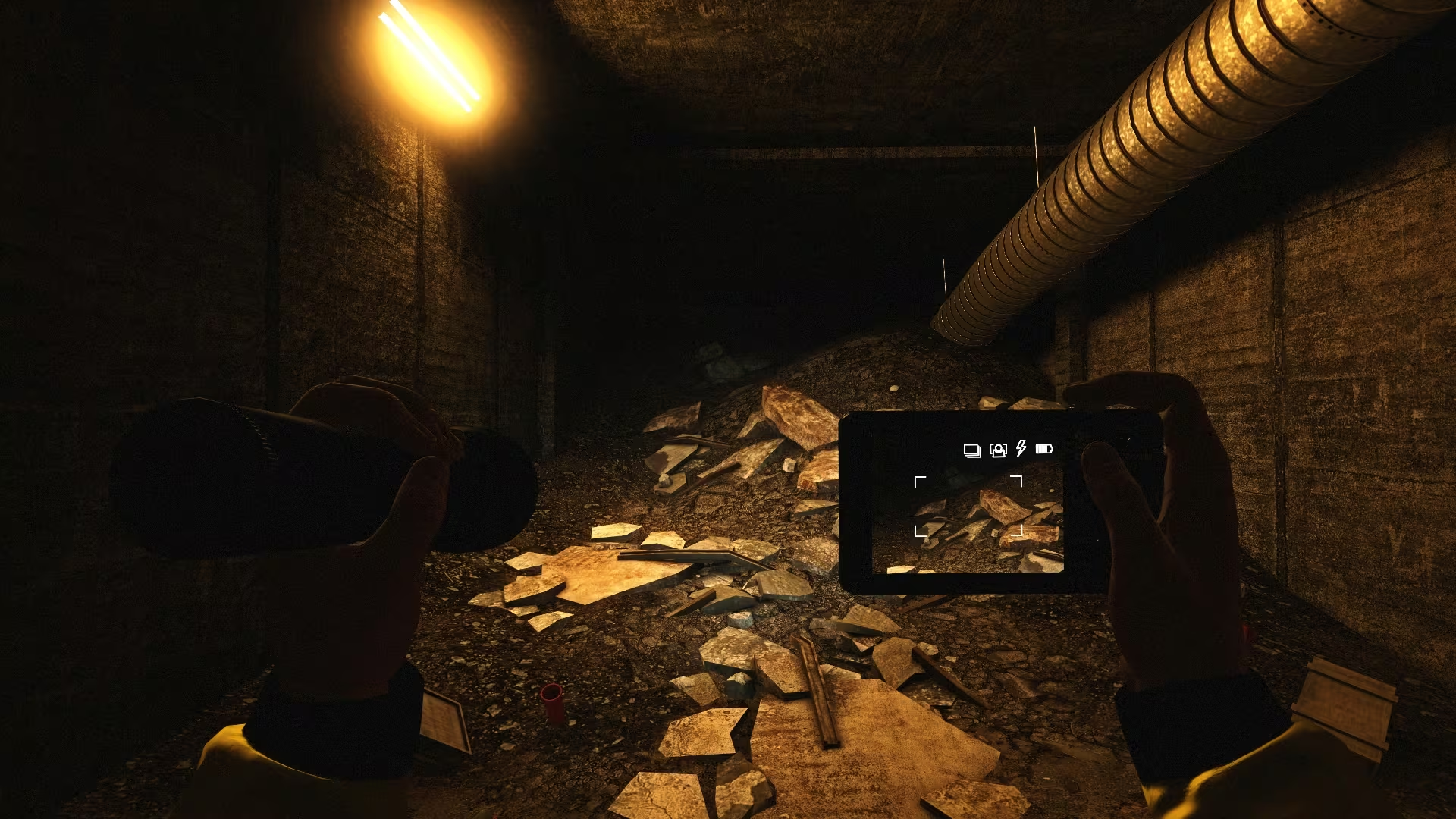
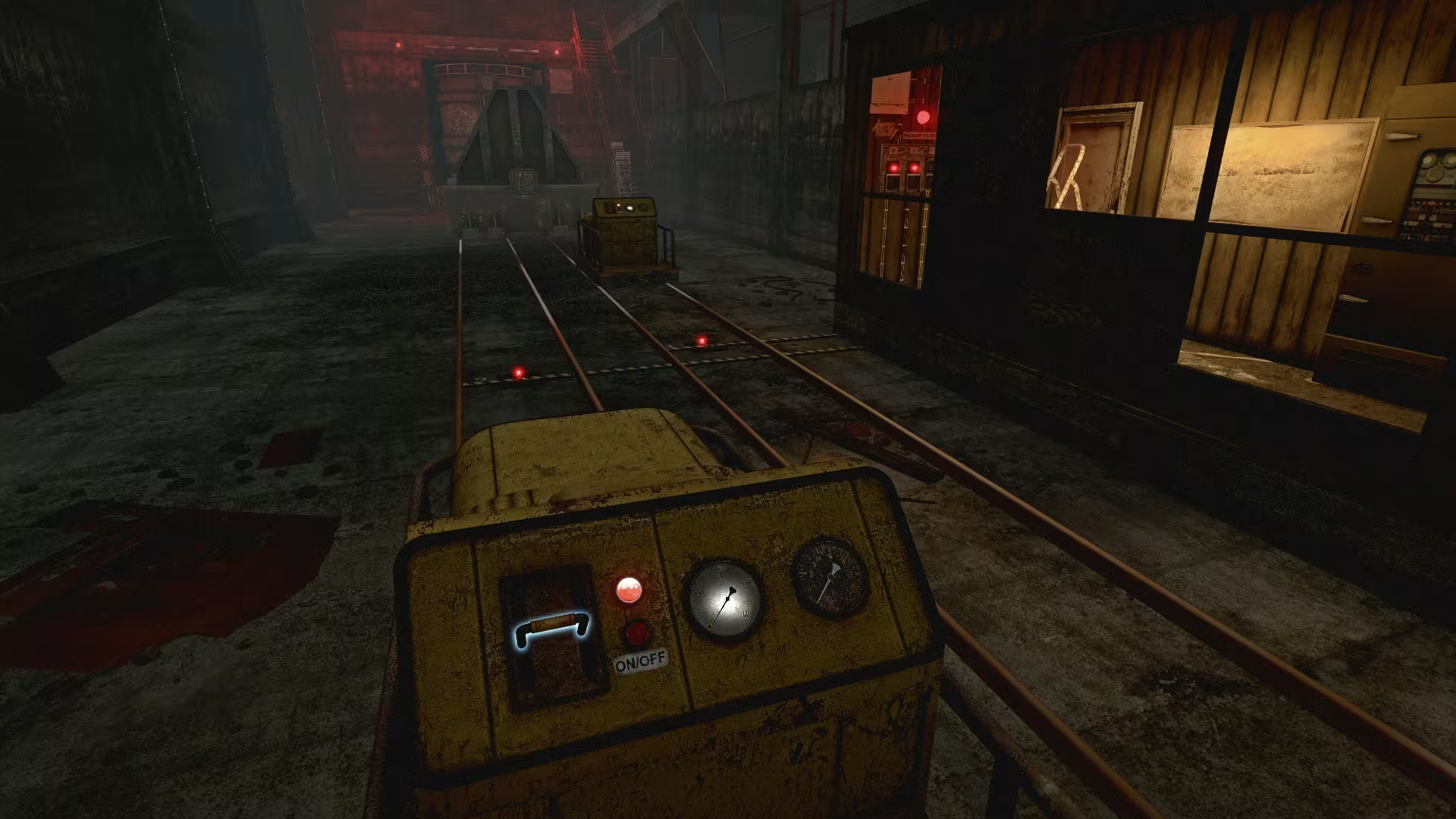
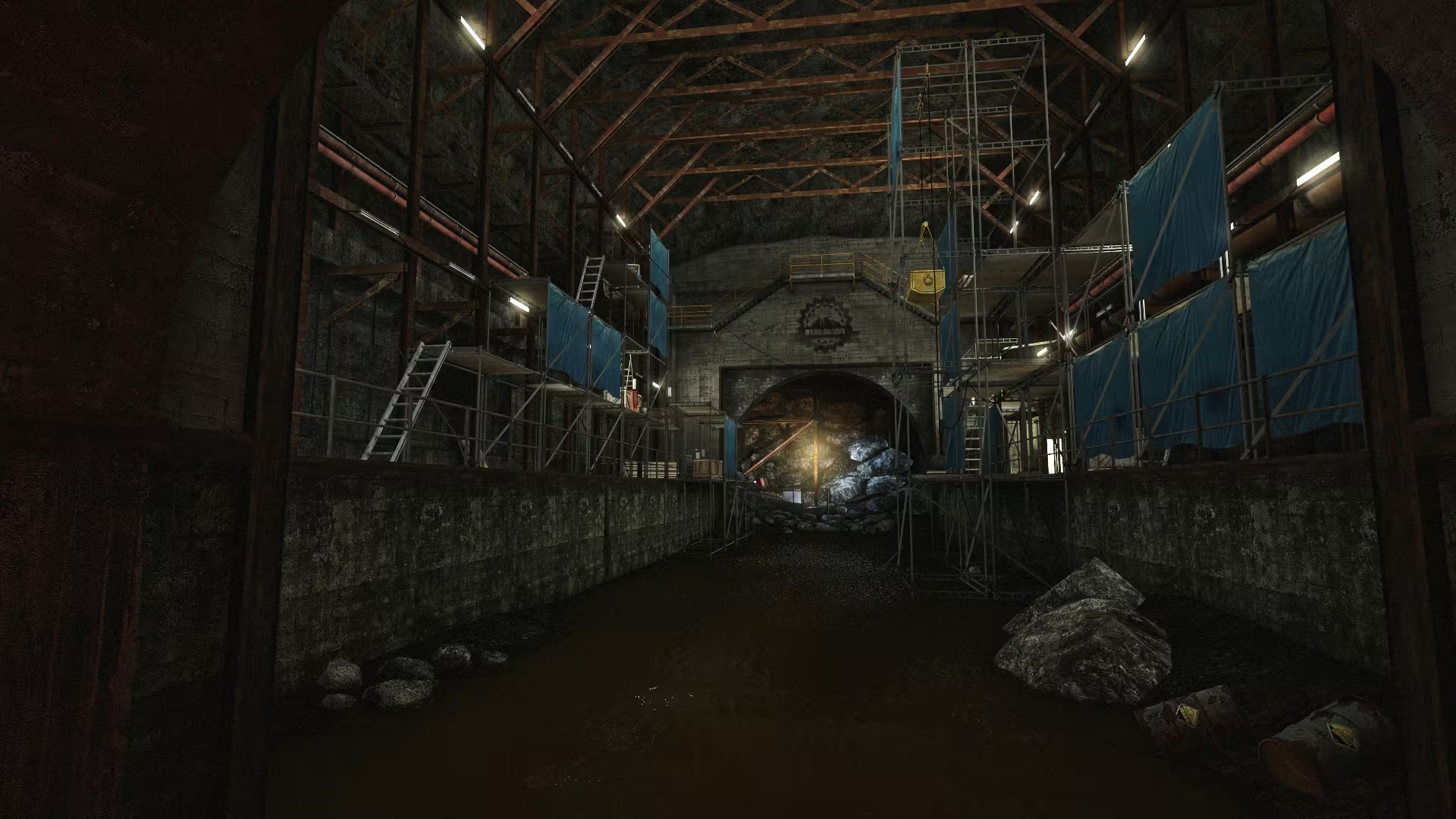
INFRA puts you into the boots of a structural analyst on a routine mission. Quickly though, your task turns into a fight for survival, all caused by deep-rooted schemes of the past. Your tools are simple: your camera and the wits to navigate a labyrinth of debris.

Global score

88/100

Genres

Adventure, Indie, Puzzle

Similar games

    Pros

    • Immersive and detailed environments
    • Engaging and varied puzzles
    • Deep and unfolding narrative
    • Long playtime with replay value
    • Atmospheric sound design

    Cons

    • Some puzzles can be obscure or frustrating
    • Clunky character controls and platforming
    • Battery management can be annoying
    • Voice acting is uneven
    • Some repetitive or slow sections

    Analysis

    Less representative of its motivational profile, with noticeable differences. Motivations that often define this kind of title include Survival, Violence, Fellowship, Expression. Here, the score leans higher than usual among comparable games on Survival, Thrill. It leans lower than usual among comparable games on Fantasy.

    How to use the graph
    Similar games map

    Each dot is a game. They are arranged from the same motivation profile as in the “Motivations” section below. Closer dots usually mean more similar reasons to play (exploration, competition, relaxation, etc.)—not that one game is “better” than another.

    • Larger dot with a light outline: the game you are viewing.
    • Colour: groups of games with comparable motivation patterns (statistical clusters).
    • Hover a dot to see the game name; click to open its page.
    • Scroll or double-click the chart to zoom out and see more games.

    Why don’t the axes read like a score? This view uses t-SNE: it only keeps who is close to whom. The scales are not “good to bad” or hours played—they separate groups on the map. Read distance between dots, not the axis numbers.

    Motivations

    • Autonomy
      4

      "Players freely explore large, detailed environments with multiple paths and optional puzzles, allowing self-directed investigation and problem solving."

    • Competence
      3

      "The game involves solving varied environmental puzzles and managing limited resources, requiring skill and attention but also allowing trial and error."

    • Competition
      -4

      "Focus is on personal exploration and puzzle solving without any player-vs-player or ranking elements."

    • Continuation
      4

      "Long playtime with many secrets and achievements encourages repeated playthroughs and sustained engagement."

    • Cooperation
      -5

      "Single-player experience focused on individual exploration and puzzle solving without multiplayer or cooperative elements."

    • Creativity
      3

      "Players experiment with machinery and environmental elements to solve puzzles, though within designed constraints."

    • Domination
      -5

      "No social dominance or power dynamics; interactions are solitary and non-competitive."

    • Escapism
      4

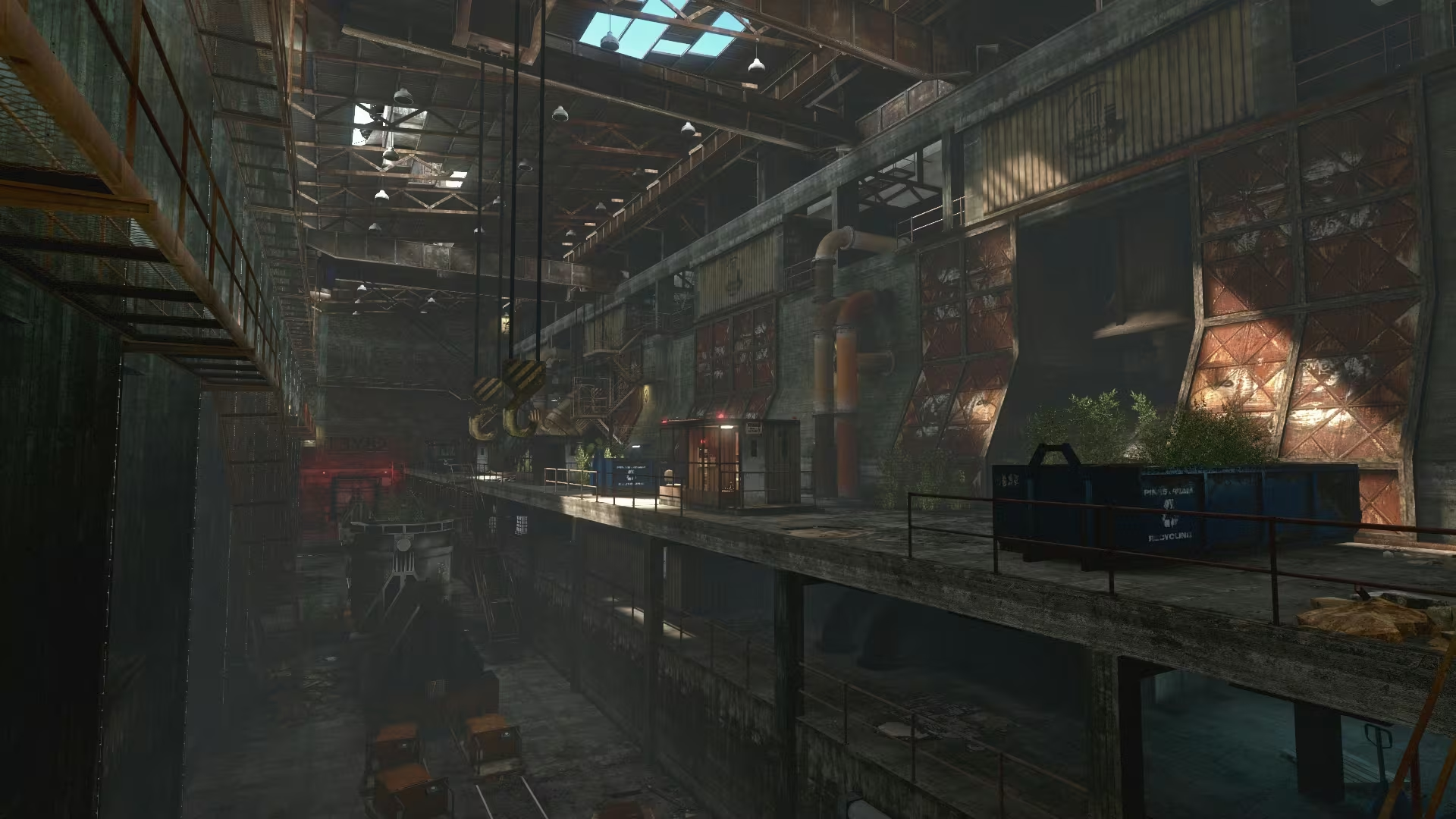
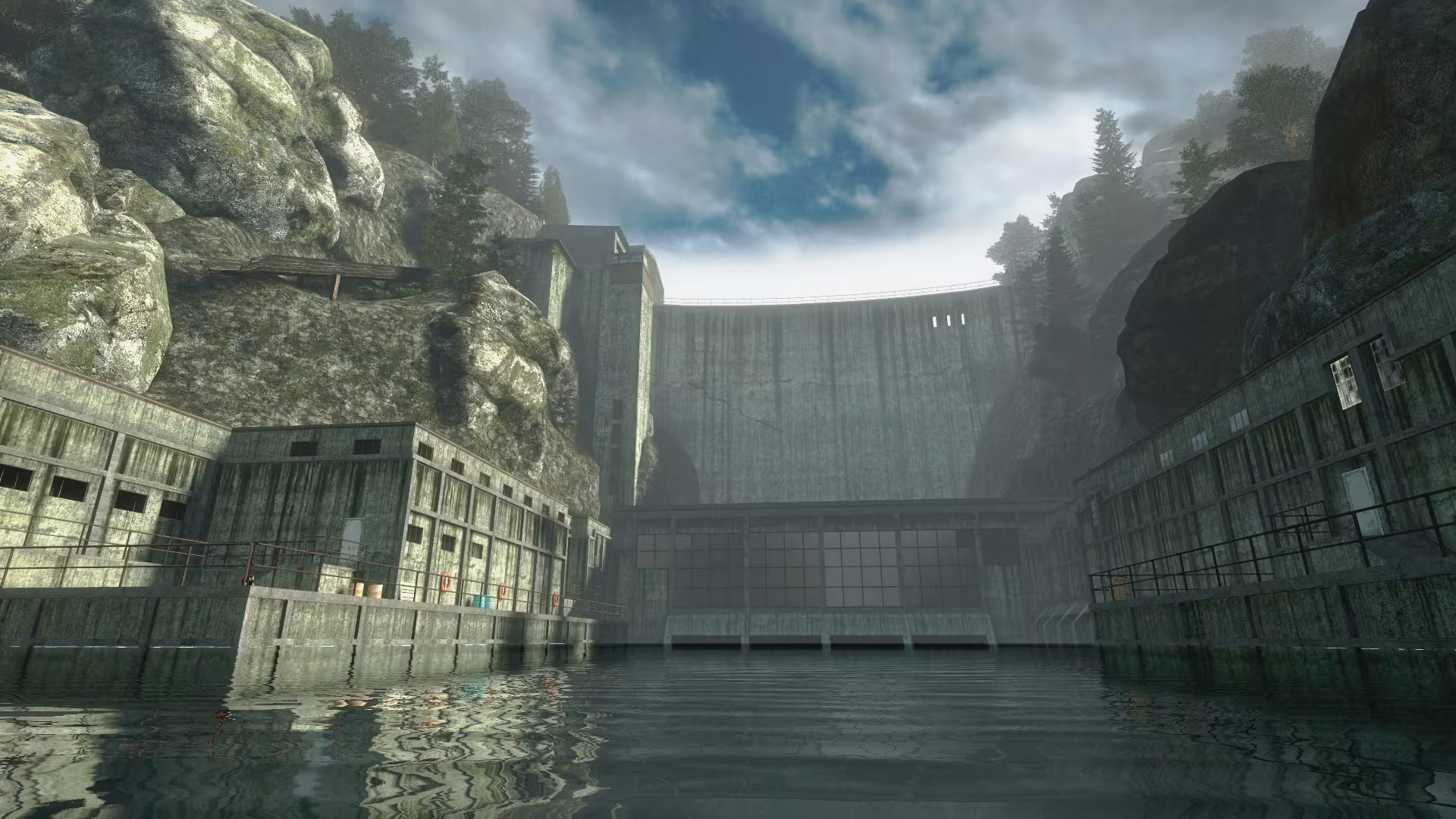
      "Immersive exploration of a decaying city and uncovering conspiracies provides strong escape from real life."

    • Expectation
      -4

      "Players engage voluntarily driven by curiosity and intrinsic interest in exploration and puzzles."

    • Experimenting
      3

      "Players try different puzzle solutions and explore multiple routes, encouraging experimentation."

    • Exploration
      5

      "Core gameplay centers on discovering new areas, secrets, and environmental storytelling."

    • Expression
      -3

      "Limited character customization; expression mainly through player choice of exploration and puzzle approach."

    • Fantasy
      -3

      "Set in a realistic, industrial city environment with plausible scenarios and grounded story."

    • Fellowship
      -5

      "Solo experience with minimal social interaction or community involvement."

    • Growth
      3

      "Players develop problem-solving skills and learn about infrastructure systems through gameplay."

    • Health
      -4

      "Primarily sedentary gameplay with no physical activity or health-related mechanics."

    • Idle
      -4

      "Requires focused attention to solve puzzles and explore; not suited for casual or background play."

    • Intimacy
      -5

      "No close social or emotional relationships formed; solitary gameplay."

    • Leadership
      -5

      "No leadership or group management roles; single-player focus."

    • Progression
      3

      "Players collect items, photos, and documents that influence story outcomes and achievements."

    • Relaxation
      3

      "Atmospheric exploration and puzzle solving provide a balance of challenge and flow, though some tense moments exist."

    • Sensation
      3

      "Detailed visuals and ambient sounds create immersive sensory experience with occasional tension."

    • Status
      -5

      "No social recognition or status systems; individual experience without external evaluation."

    • Story
      4

      "Narrative unfolds through environmental storytelling, documents, and player discovery."

    • Strategy
      3

      "Puzzles require logical thinking, planning, and problem solving within complex environments."

    • Thrill
      2

      "Some suspenseful moments and timed sequences add tension, but overall experience is calm and exploratory."

    • Value
      4

      "Offers many hours of content and replayability for a reasonable price, considered good value by players."

    • Violence
      -5

      "No combat or destruction; focus on constructive problem solving and exploration."

    • Survival
      2

      "Some hazards and timed challenges require avoiding failure, but not a core survival game."

    Last update: 29/04/2026