Shadowrun Returns similar games & best alternatives
Shadowrun Returns
2013
Related articles
Quick resume
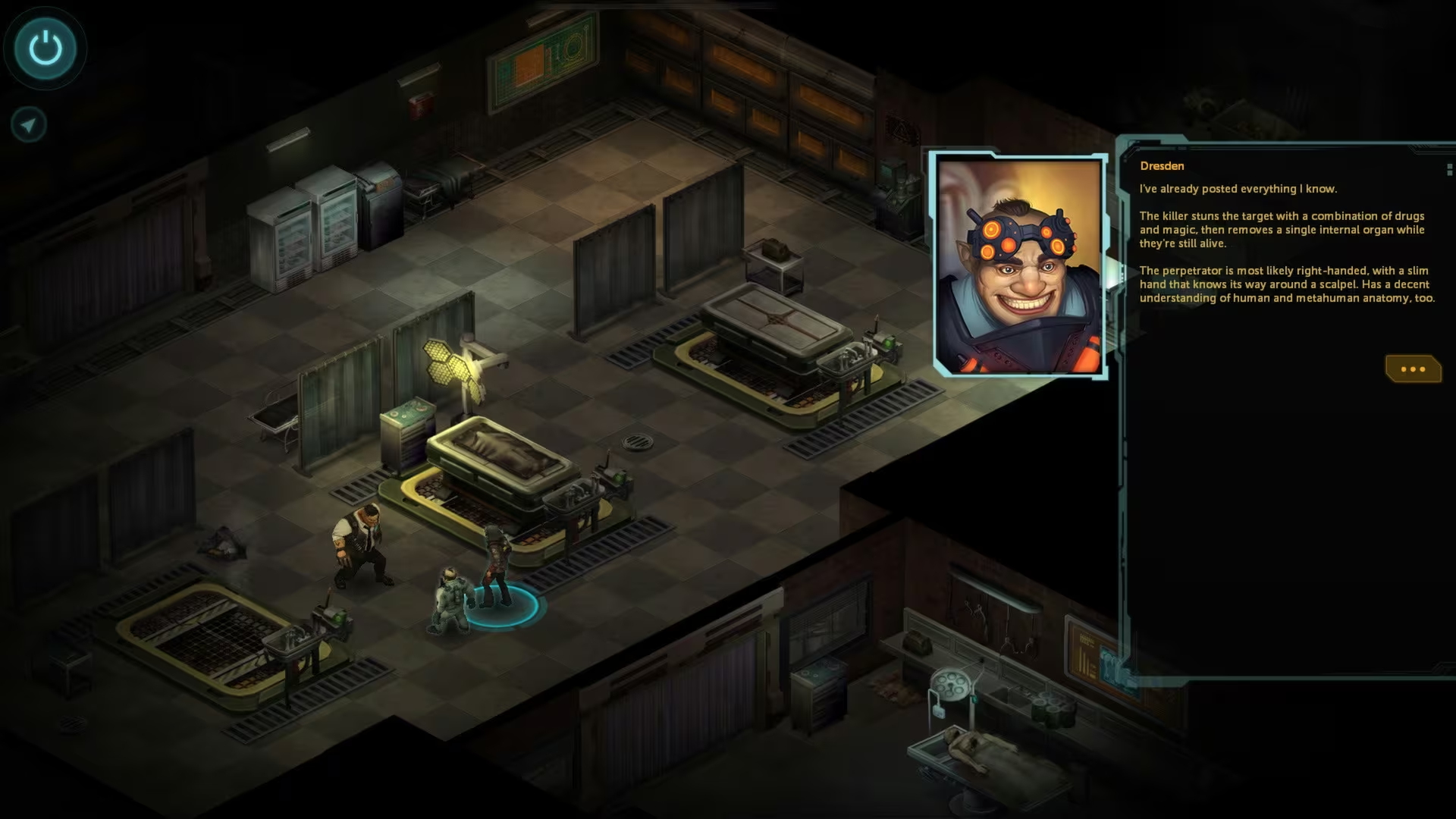
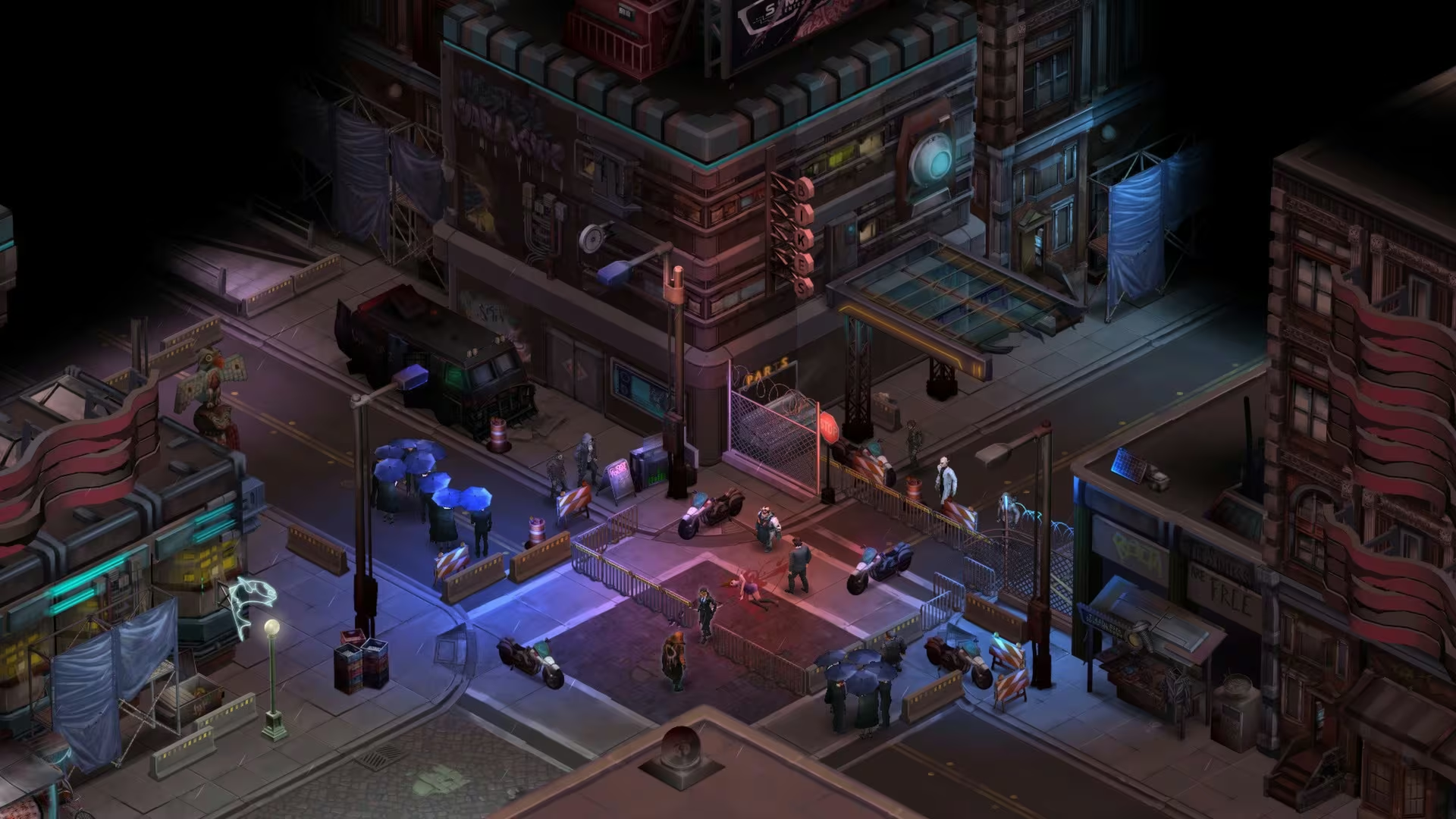
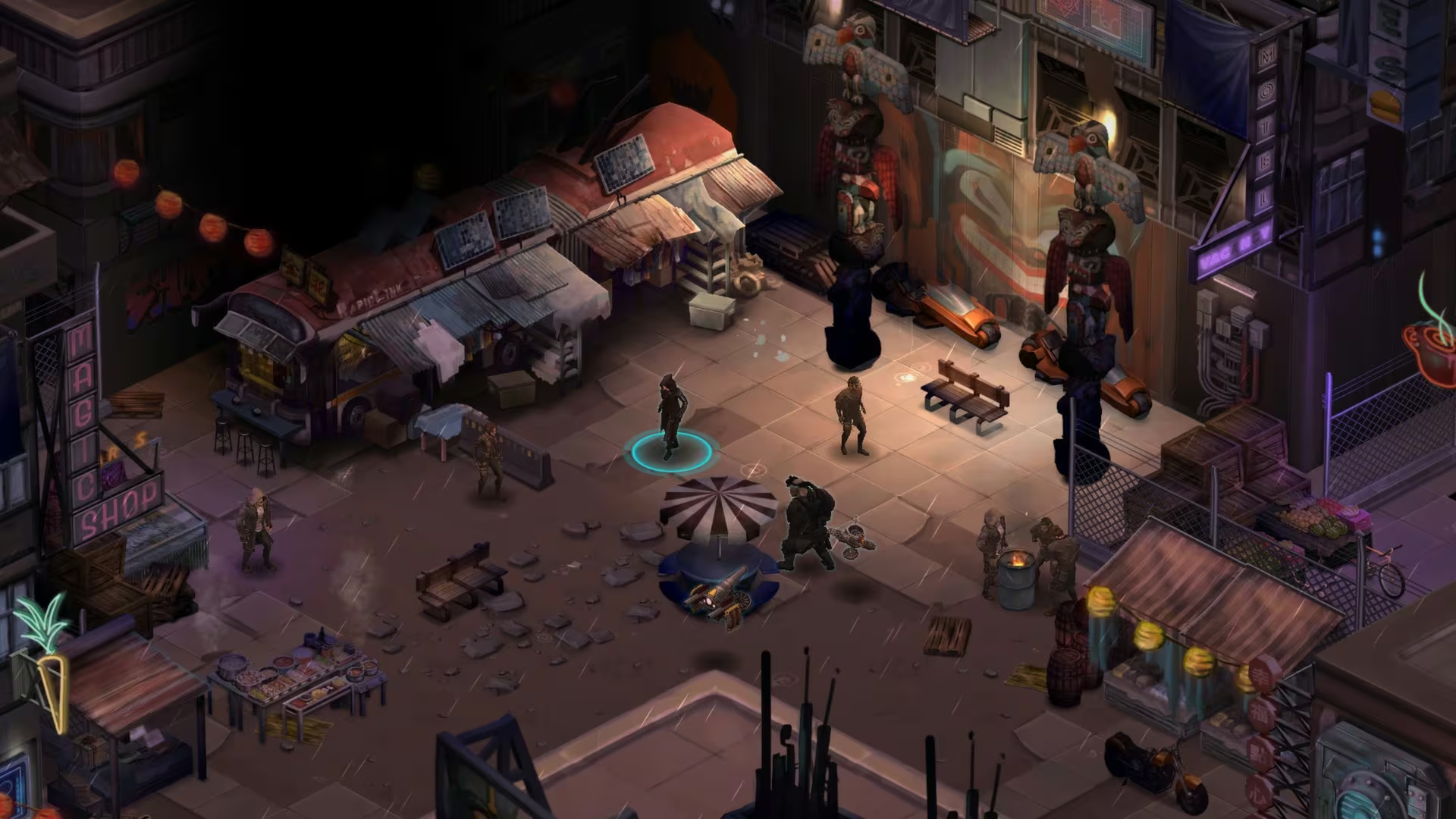
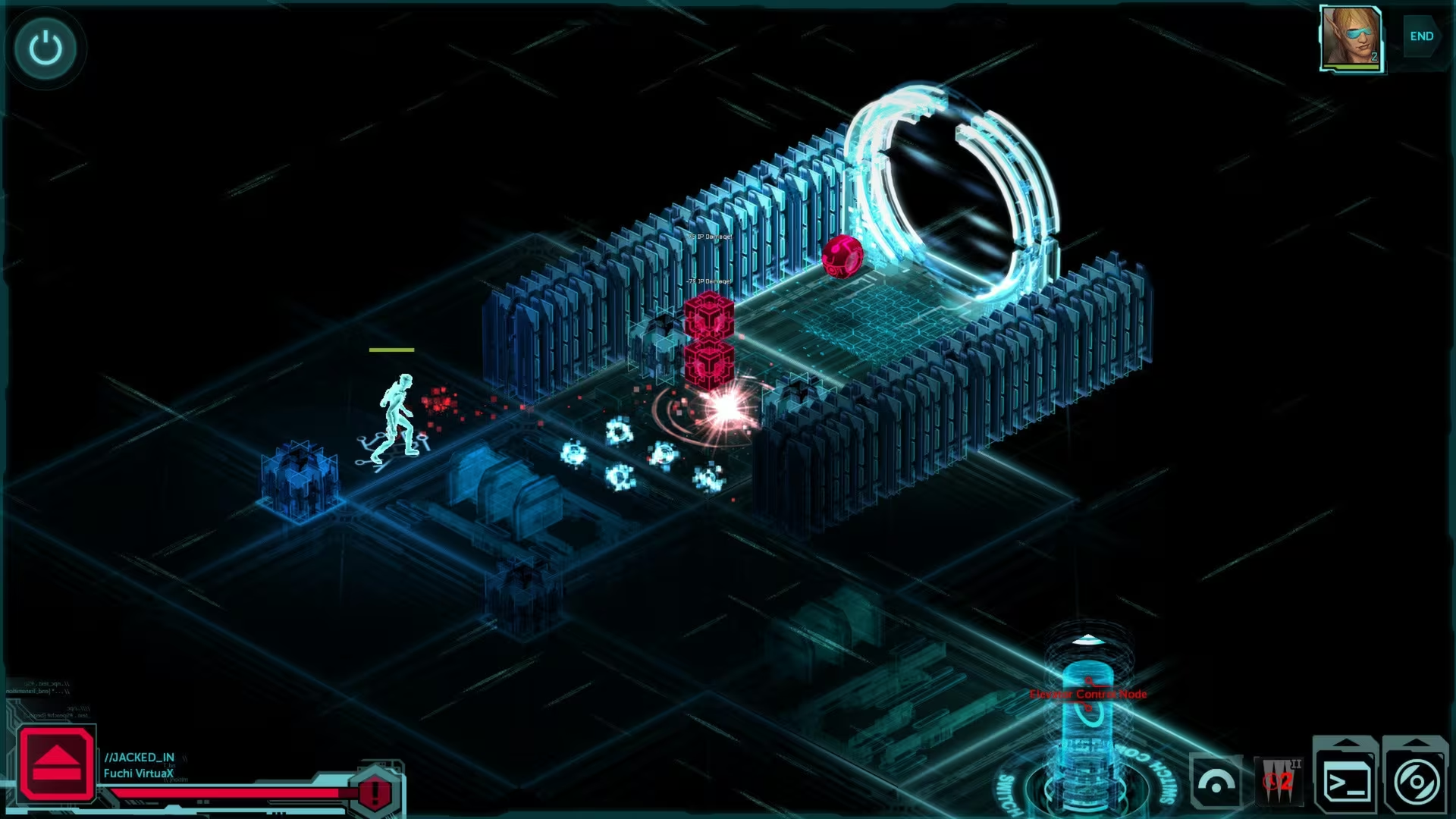
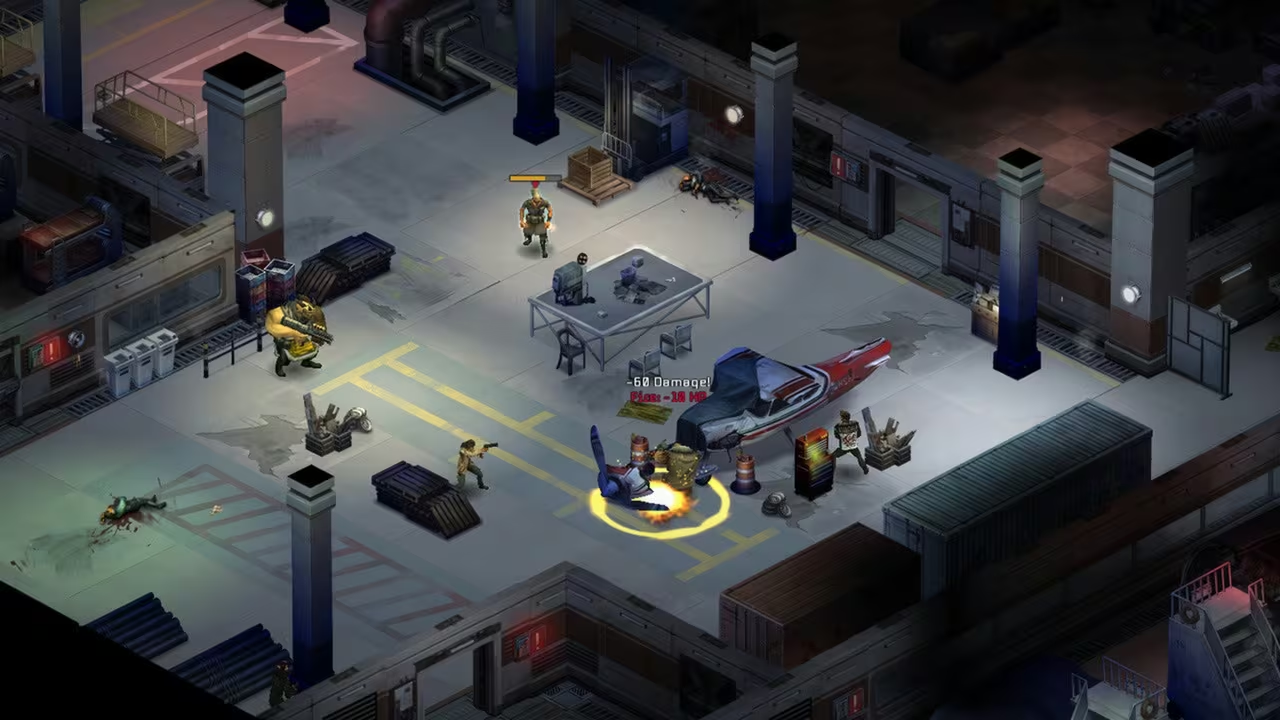
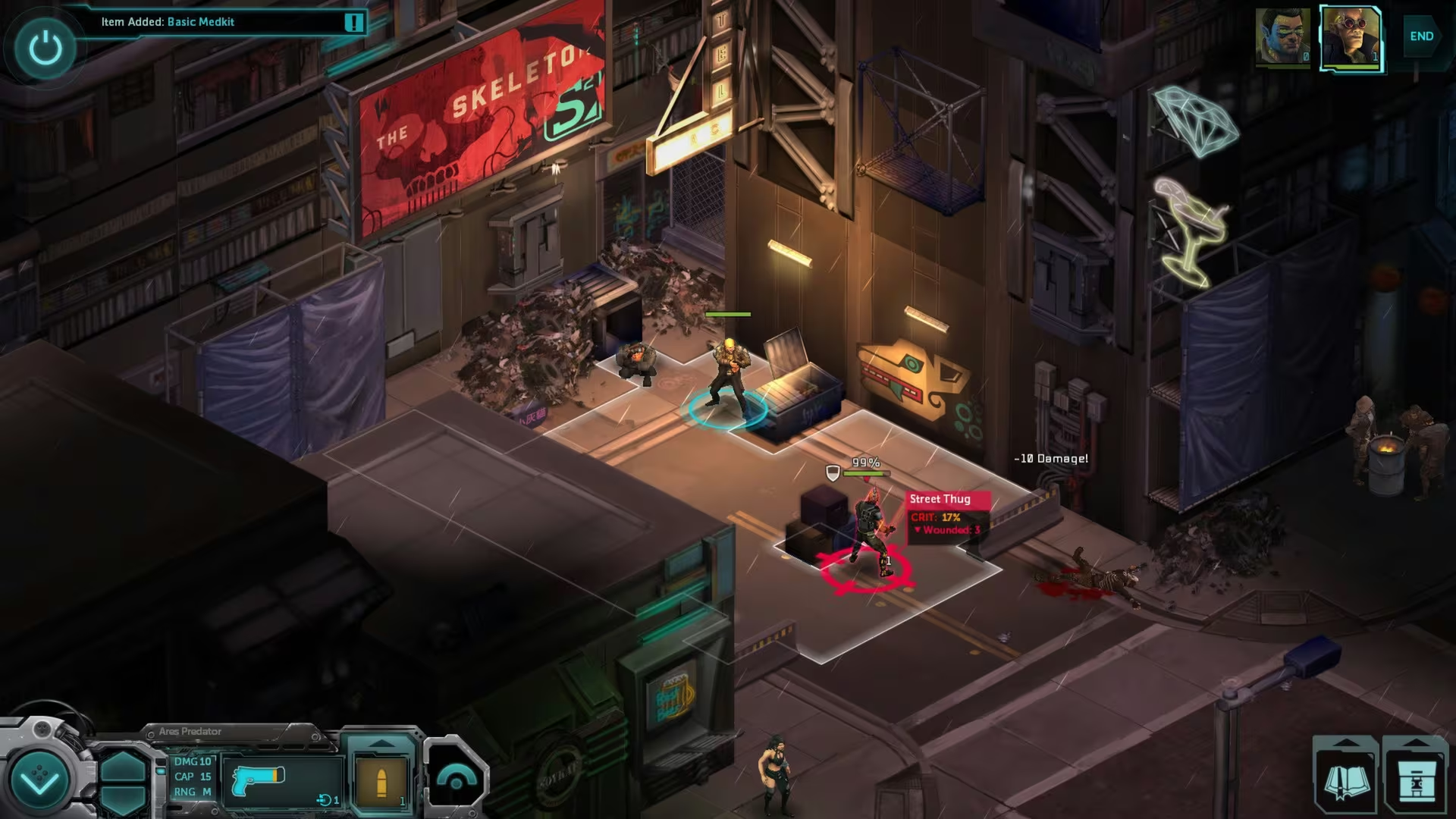
The unique cyberpunk-meets-fantasy world of Shadowrun has gained a huge cult following since its creation nearly 25 years ago. Now, creator Jordan Weisman returns to the world of Shadowrun, modernizing this classic game setting as a single player, turn-based tactical RPG.
Global score
88/100
Genres
Adventure, Indie, Role-playing (RPG), Strategy, Turn-based strategy (TBS)
Similar games
Pros
- Engaging story and well-written dialogue
- Tactical turn-based combat
- Rich cyberpunk-fantasy setting
- Character customization and progression
- Built-in editor and community content
Cons
- Linear gameplay with limited exploration
- Short base campaign
- Lack of voice acting
- Limited companion interaction
- Some combat imbalance and repetitiveness
Analysis
Broadly representative of its motivational profile, with a few distinct shifts. Motivations that often define this kind of title include Leadership, Survival, Violence, Strategy. Here, the score leans higher than usual among comparable games on Cooperation, Story. It leans lower than usual among comparable games on Exploration.
How to use the graph
Similar games map
Each dot is a game. They are arranged from the same motivation profile as in the “Motivations” section below. Closer dots usually mean more similar reasons to play (exploration, competition, relaxation, etc.)—not that one game is “better” than another.
- Larger dot with a light outline: the game you are viewing.
- Colour: groups of games with comparable motivation patterns (statistical clusters).
- Hover a dot to see the game name; click to open its page.
- Scroll or double-click the chart to zoom out and see more games.
Why don’t the axes read like a score? This view uses t-SNE: it only keeps who is close to whom. The scales are not “good to bad” or hours played—they separate groups on the map. Read distance between dots, not the axis numbers.
Motivations
-
Autonomy2
"Players can customize characters and choose team composition freely, but the game is largely linear with limited exploration and story branching."
-
Competence3
"Turn-based tactical combat with skill progression and strategic use of abilities offers a satisfying challenge, though some find it easy or repetitive."
-
Competition-3
"Focus is on single-player experience with no multiplayer or ranked modes; gameplay centers on personal progress and story."
-
Continuation2
"Players report engaging story and tactical combat that encourage extended play sessions; community content and DLC add longevity."
-
Cooperation1
"Players manage a team of mercenaries with different skills, but companions are mostly hired NPCs with limited interaction."
-
Creativity3
"Character creation and skill customization allow varied playstyles; built-in editor and workshop enable user-created campaigns."
-
Domination-4
"Interactions emphasize narrative and cooperation; no evidence of dominance or power assertion over others."
-
Escapism4
"Immersive cyberpunk-fantasy world and engrossing story provide strong escape from real life."
-
Expectation-4
"Players engage voluntarily driven by interest in story, setting, and gameplay; no indication of obligation or pressure."
-
Experimenting3
"Players experiment with different classes, skills, and tactics; game encourages trying various builds and strategies."
-
Exploration-3
"Game is mostly linear with limited side quests and no open world; exploration is constrained to mission areas."
-
Expression2
"Character customization in stats and appearance is possible but limited; no extensive cosmetic personalization."
-
Fantasy5
"Strong fantasy elements blended with cyberpunk setting, including magic, mythical races, and supernatural themes."
-
Fellowship-3
"Primarily a single-player experience with minimal social interaction; community content exists but social play is limited."
-
Growth4
"Skill trees and character progression provide meaningful learning and development opportunities."
-
Health-4
"Typical sedentary gameplay with no physical activity or health-related features."
-
Idle-4
"Requires focused attention during tactical combat and story progression; not suited for casual or background play."
-
Intimacy-4
"Limited emotional or social bonding; companions are hired NPCs with minimal personal interaction."
-
Leadership2
"Players lead a team of mercenaries tactically, making decisions on team composition and combat strategy."
-
Progression4
"Character leveling, skill upgrades, and equipment acquisition drive player progression."
-
Relaxation2
"Turn-based combat and story pacing provide a measured, thoughtful experience with moments of flow."
-
Sensation2
"Atmospheric music and art style create immersive sensory experience, though graphics are modest."
-
Status-4
"No social recognition or ranking systems; focus is on individual story and gameplay."
-
Story5
"Strong narrative focus with well-written dialogue and immersive storytelling driving the experience."
-
Strategy4
"Tactical turn-based combat requires planning, positioning, and skill use; strategic thinking rewarded."
-
Thrill1
"Combat can be tense but overall difficulty is moderate; suspense builds mostly through story rather than risk."
-
Value3
"Good value especially on sale; base game plus DLC and workshop content provide many hours of entertainment."
-
Violence3
"Combat involves shooting, melee, magic attacks, and destruction; violence is a core gameplay element."
-
Survival2
"Combat requires managing health and resources to avoid defeat; survival is a tactical concern."
Last update: 29/04/2026