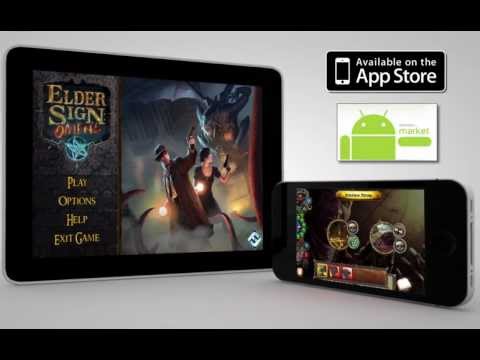
Elder Sign: Omens Thumbnail

Elder Sign: Omens similar games & best alternatives
Elder Sign: Omens

PC (Microsoft Windows), iOS, Mac, Android, Linux • 2013

Related articles

Quick resume

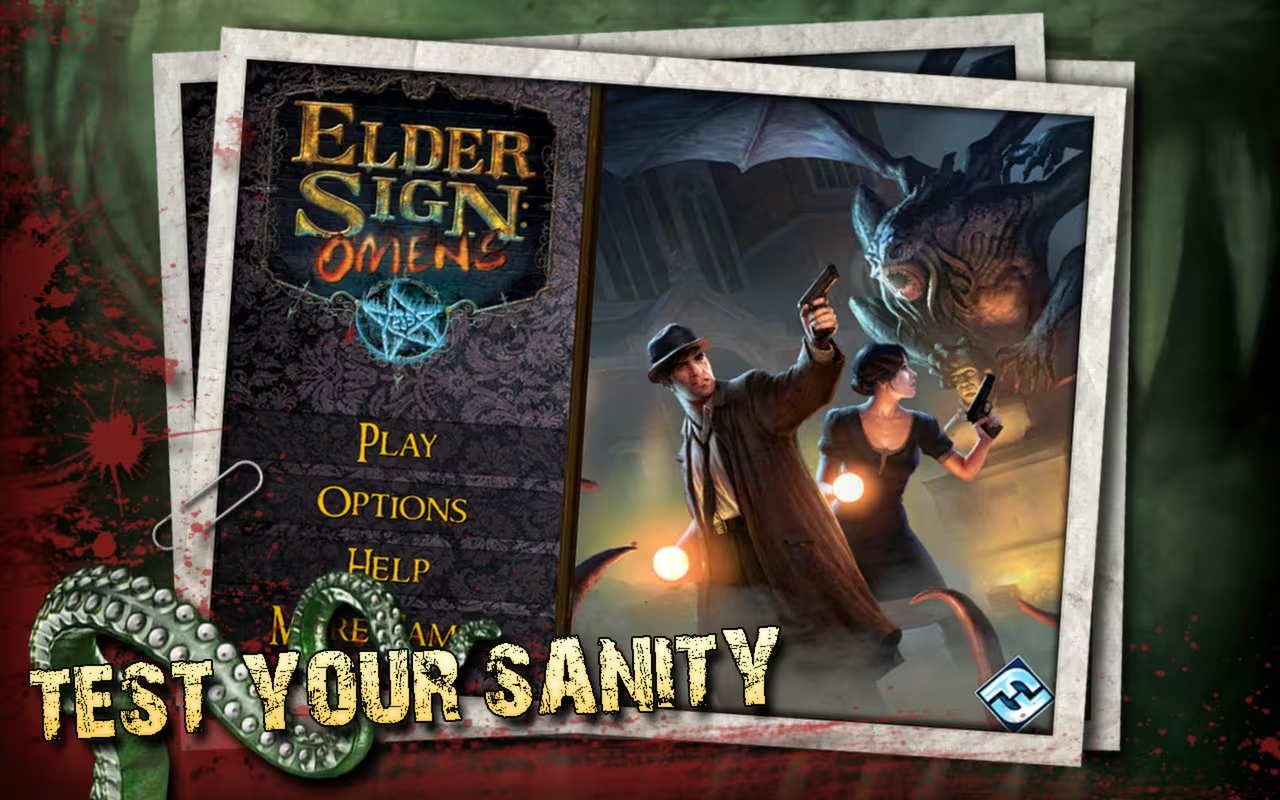
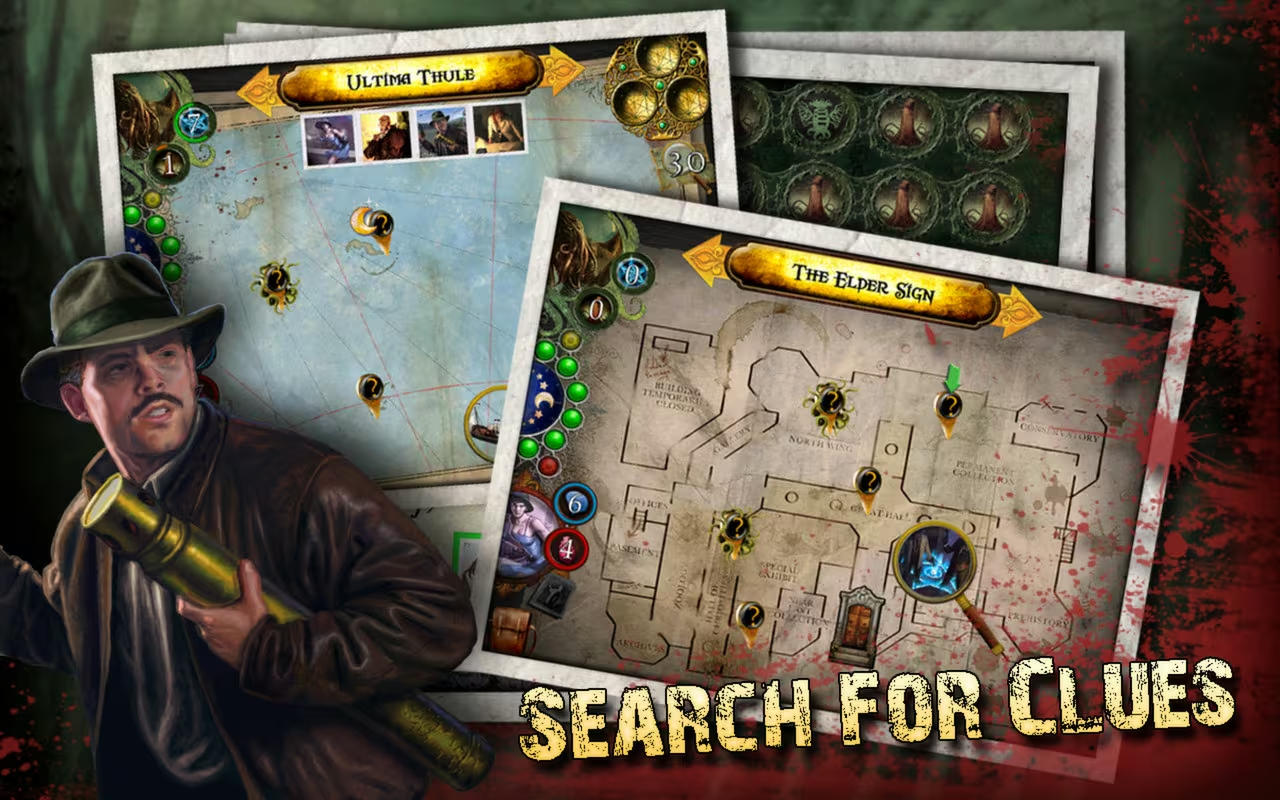
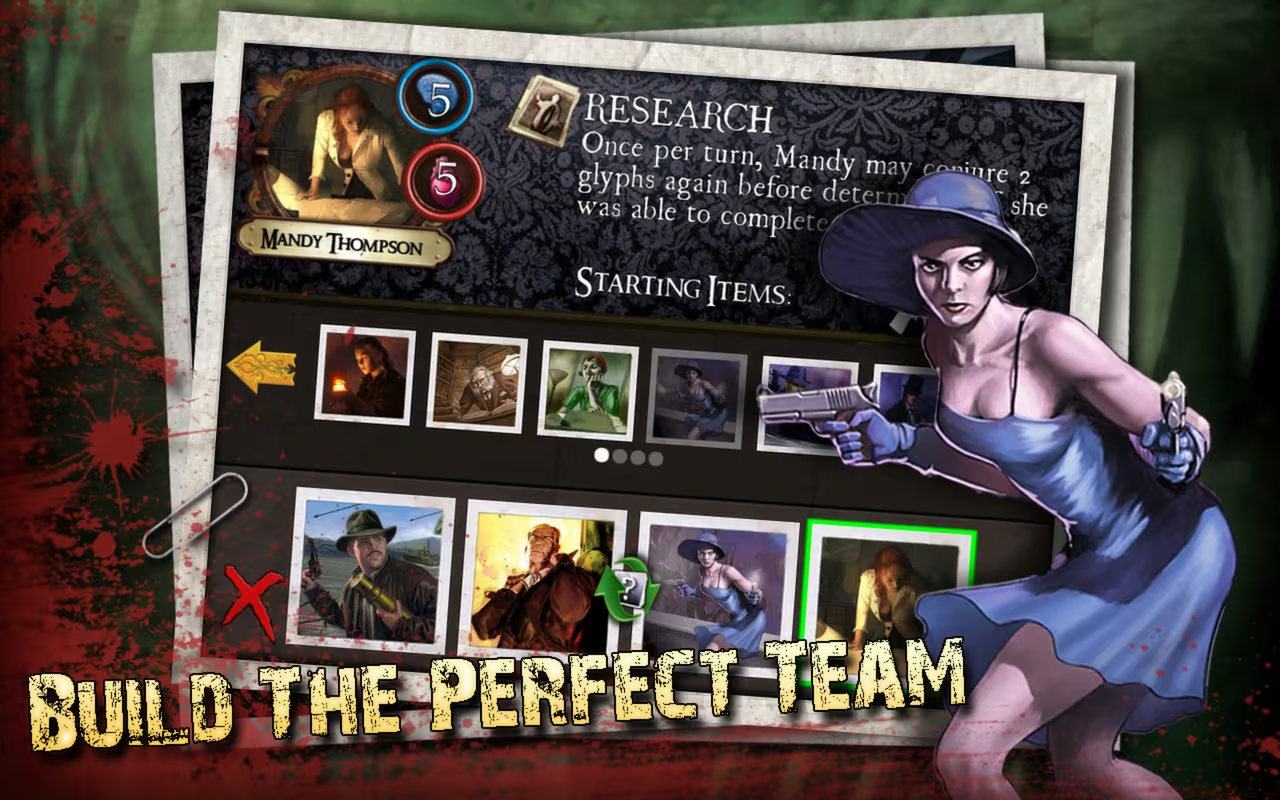
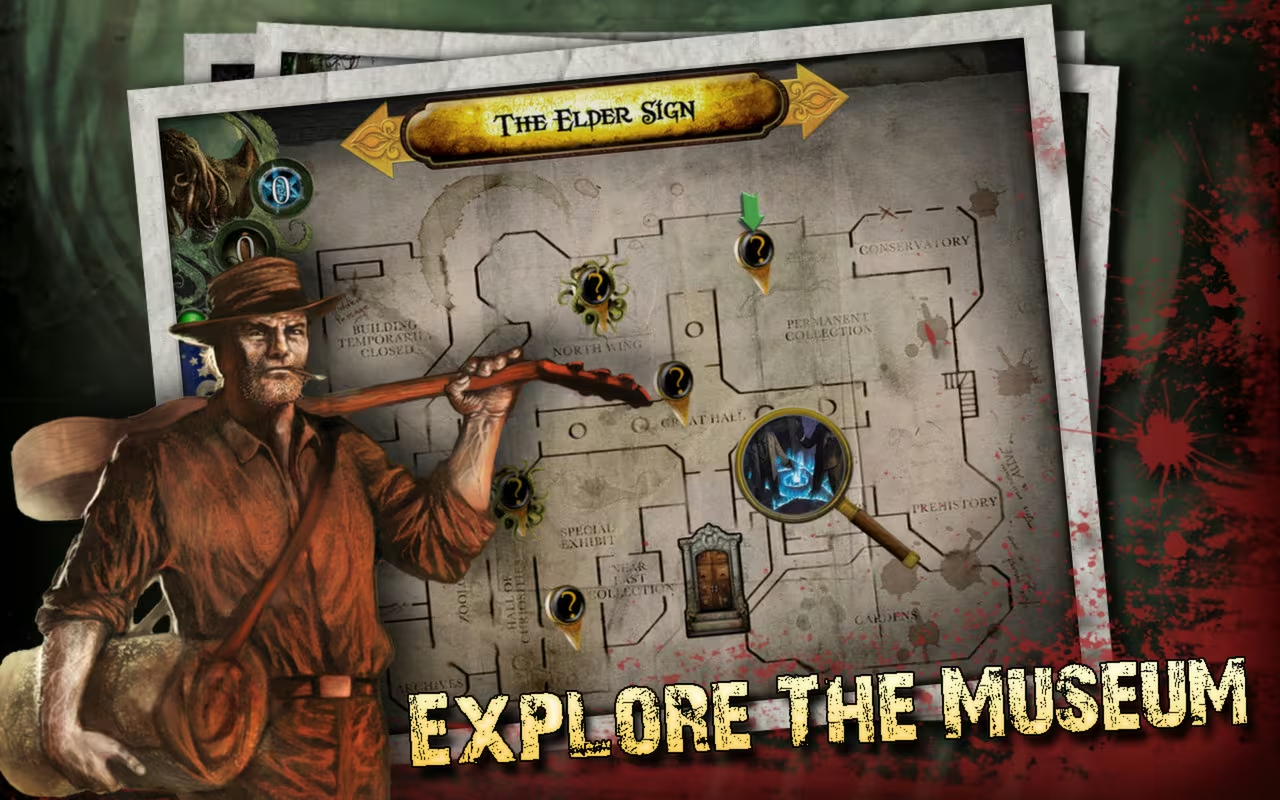
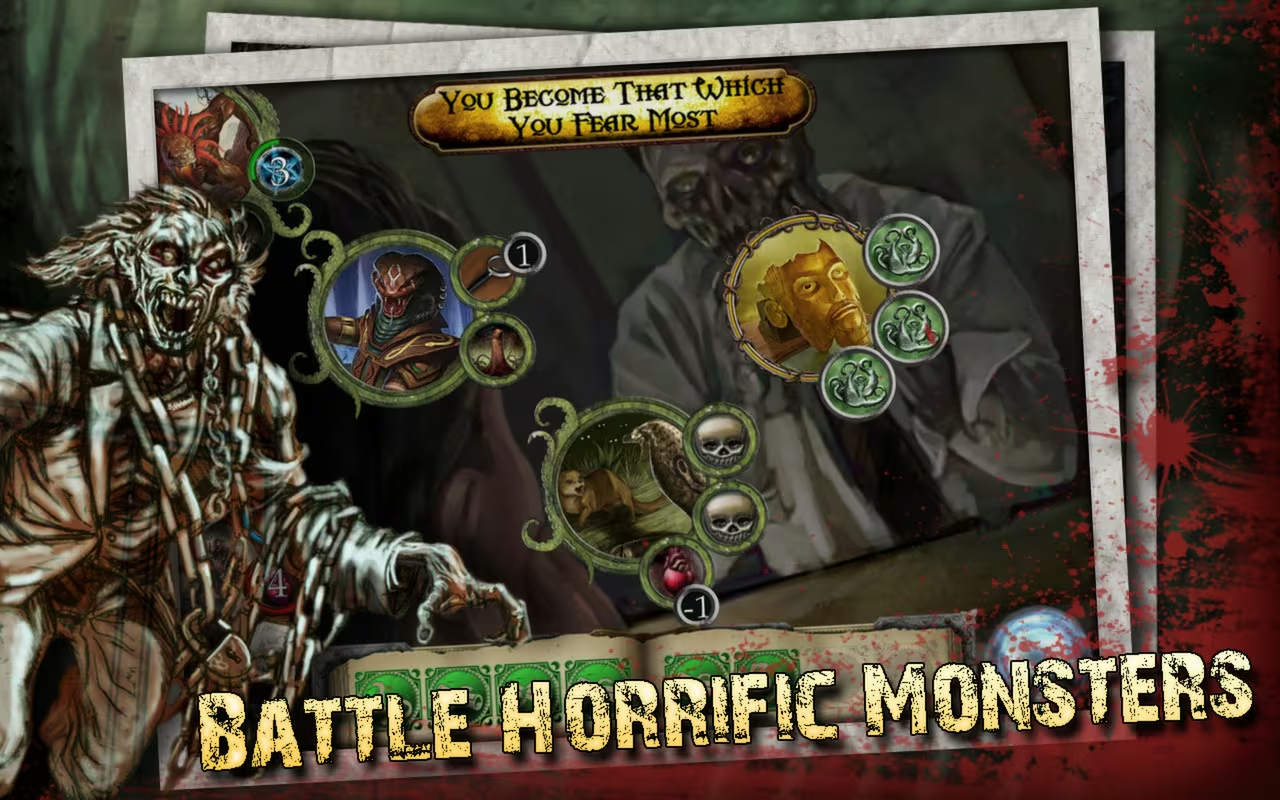
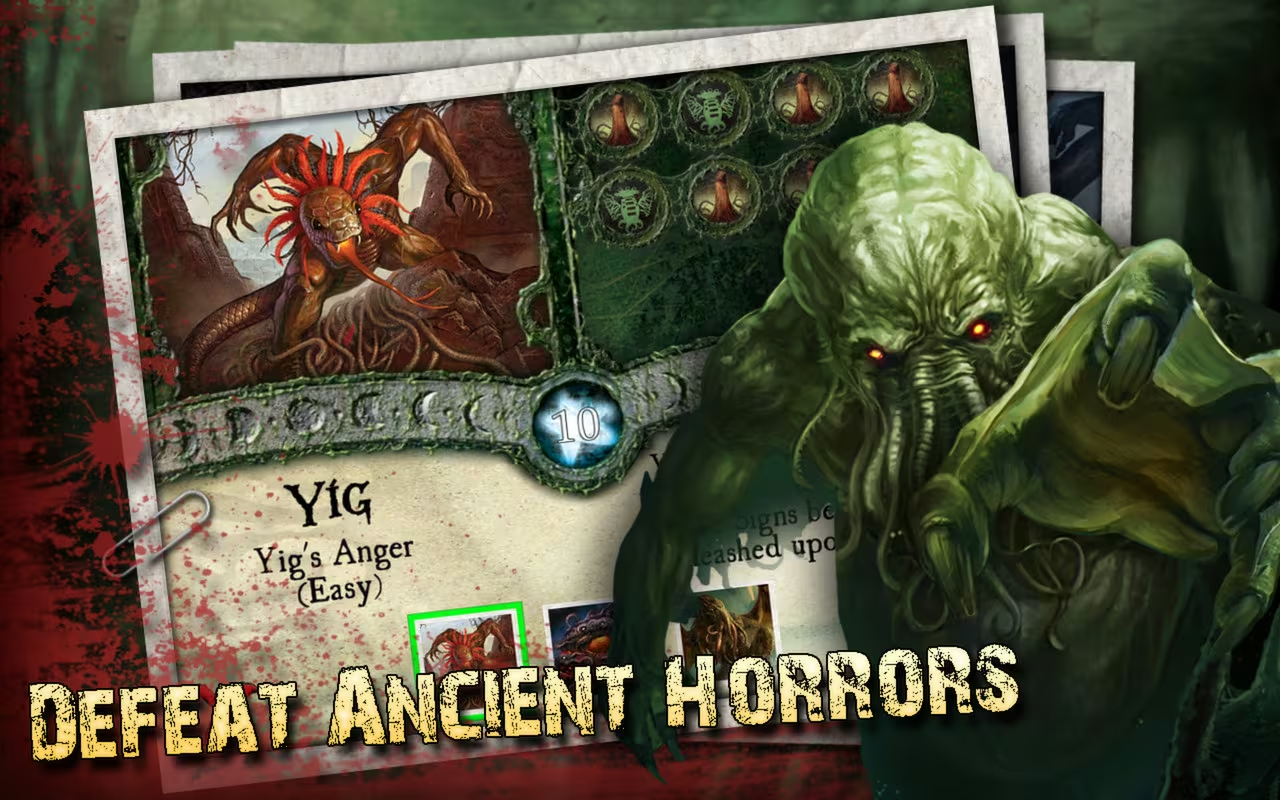
Elder Sign: Omens is a digital version of the popular board game by Fantasy Flight Games. Build a team of unique investigators and fight to keep an all-powerful Ancient One from invading our world! Explore museums, oceans, deserts and more for the arcane Elder Signs that will help seal the Ancient One away.

Global score

78/100

Genres

Casual, Indie, Strategy, Adventure, Card & Board Game

Similar games

    Pros

    • Faithful adaptation of board game
    • High replayability with multiple scenarios and characters
    • Strong lovecraftian atmosphere and art
    • Challenging strategic gameplay
    • Good solo experience

    Cons

    • No multiplayer or online co-op
    • Heavy reliance on luck can frustrate
    • Interface and tutorial could be improved
    • Lack of achievements and expansions
    • Some consider price high for content

    Analysis

    Broadly representative of its motivational profile, with a few distinct shifts. Motivations that often define this kind of title include Leadership, Survival, Violence, Strategy. Here, the score leans higher than usual among comparable games on Fantasy. It leans lower than usual among comparable games on Violence, Expression.

    How to use the graph
    Similar games map

    Each dot is a game. They are arranged from the same motivation profile as in the “Motivations” section below. Closer dots usually mean more similar reasons to play (exploration, competition, relaxation, etc.)—not that one game is “better” than another.

    • Larger dot with a light outline: the game you are viewing.
    • Colour: groups of games with comparable motivation patterns (statistical clusters).
    • Hover a dot to see the game name; click to open its page.
    • Scroll or double-click the chart to zoom out and see more games.

    Why don’t the axes read like a score? This view uses t-SNE: it only keeps who is close to whom. The scales are not “good to bad” or hours played—they separate groups on the map. Read distance between dots, not the axis numbers.

    Motivations

    • Autonomy
      4

      "Players choose their own team of investigators and decide strategies, managing resources and abilities to influence outcomes."

    • Competence
      3

      "Game requires strategic thinking and skillful use of abilities to overcome challenges, despite RNG elements."

    • Competition
      -3

      "Single-player focus with no multiplayer or ranked modes; play is against the game rather than other players."

    • Continuation
      4

      "High replayability with multiple scenarios and characters encourages habitual play and repeated sessions."

    • Cooperation
      -4

      "Single-player only; players control all investigators themselves without collaboration."

    • Creativity
      2

      "Players customize team composition and use abilities/items creatively to influence dice outcomes."

    • Domination
      -5

      "No player-vs-player or social dominance elements; cooperative solo play against AI."

    • Escapism
      4

      "Immersive Lovecraftian theme and atmospheric presentation provide escapism and mood."

    • Expectation
      -4

      "Players engage voluntarily for enjoyment and challenge, not out of obligation."

    • Experimenting
      3

      "Players experiment with different investigator combinations and strategies to overcome randomness."

    • Exploration
      2

      "Varied scenarios and randomized adventures provide some discovery, though mostly within fixed settings."

    • Expression
      -3

      "Limited character customization; players select from predefined investigators with fixed abilities."

    • Fantasy
      5

      "Strong Lovecraftian fantasy theme with mythical creatures and supernatural events."

    • Fellowship
      -5

      "Primarily solo play with minimal social interaction or community involvement."

    • Growth
      3

      "Players learn game mechanics, develop strategies, and improve over time despite randomness."

    • Health
      -5

      "Sedentary gameplay typical of board game adaptations with no physical activity."

    • Idle
      -3

      "Requires focused attention during turns; not designed for passive or background play."

    • Intimacy
      -5

      "No social or emotional connections formed through gameplay; solo experience."

    • Leadership
      3

      "Players manage and direct a team of investigators, making strategic decisions for the group."

    • Progression
      3

      "Players collect items, elder signs, and unlock characters, progressing through scenarios."

    • Relaxation
      1

      "Game can be tense and challenging, but also offers moments of flow and satisfaction."

    • Sensation
      2

      "Atmospheric audio and visuals provide sensory engagement, though gameplay is turn-based and calm."

    • Status
      -4

      "No social recognition or leaderboards; achievements and social status are minimal or absent."

    • Story
      3

      "Narrative elements and lore snippets enrich the experience, though story is limited compared to RPGs."

    • Strategy
      4

      "Requires planning, resource management, and tactical decision-making to succeed."

    • Thrill
      3

      "Randomness and high difficulty create suspense and tension during gameplay."

    • Value
      2

      "Good value for fans of the genre and board games, though some feel price is high for content."

    • Violence
      -4

      "Focus on puzzle solving and sealing away evil rather than combat or destruction."

    • Survival
      4

      "Players must manage health and sanity resources to avoid character loss and defeat."

    Last update: 29/04/2026