Dead State: Reanimated Thumbnail

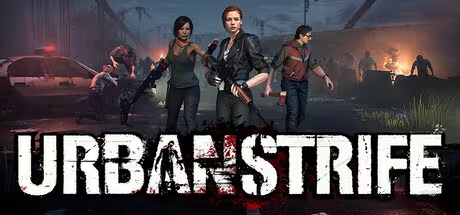
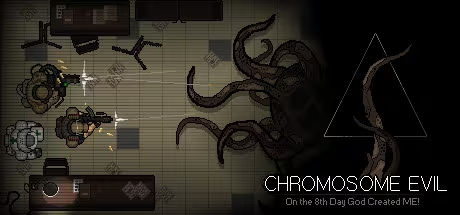
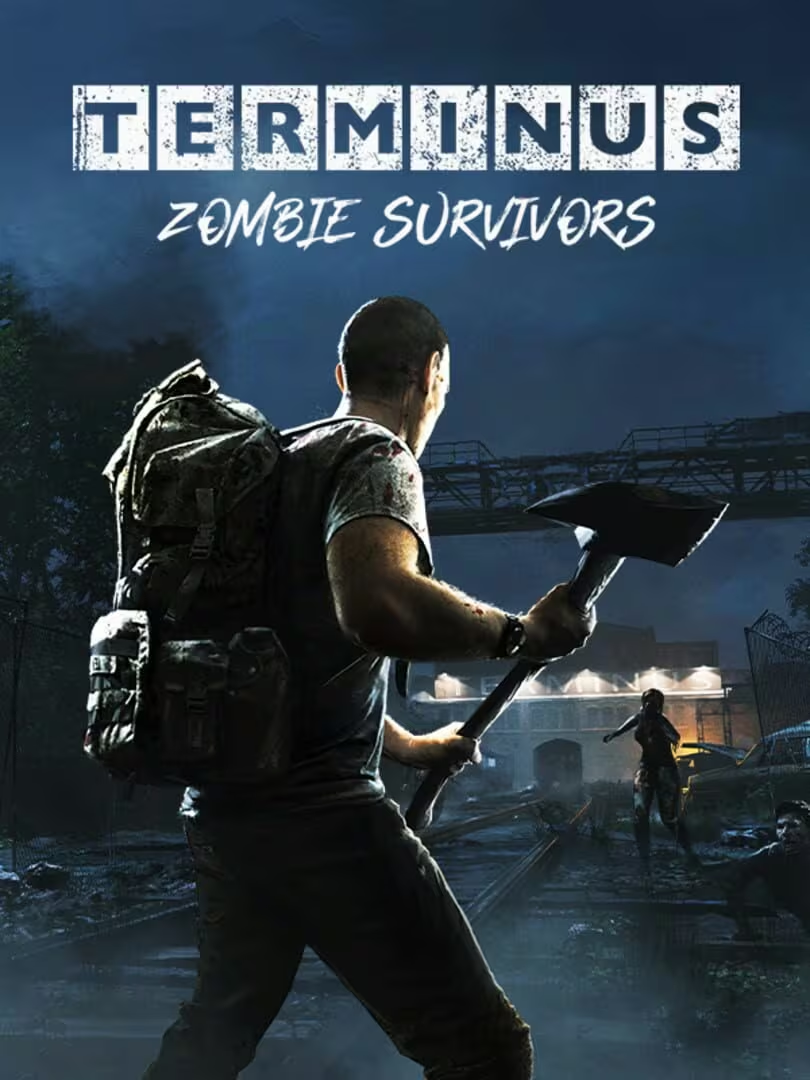
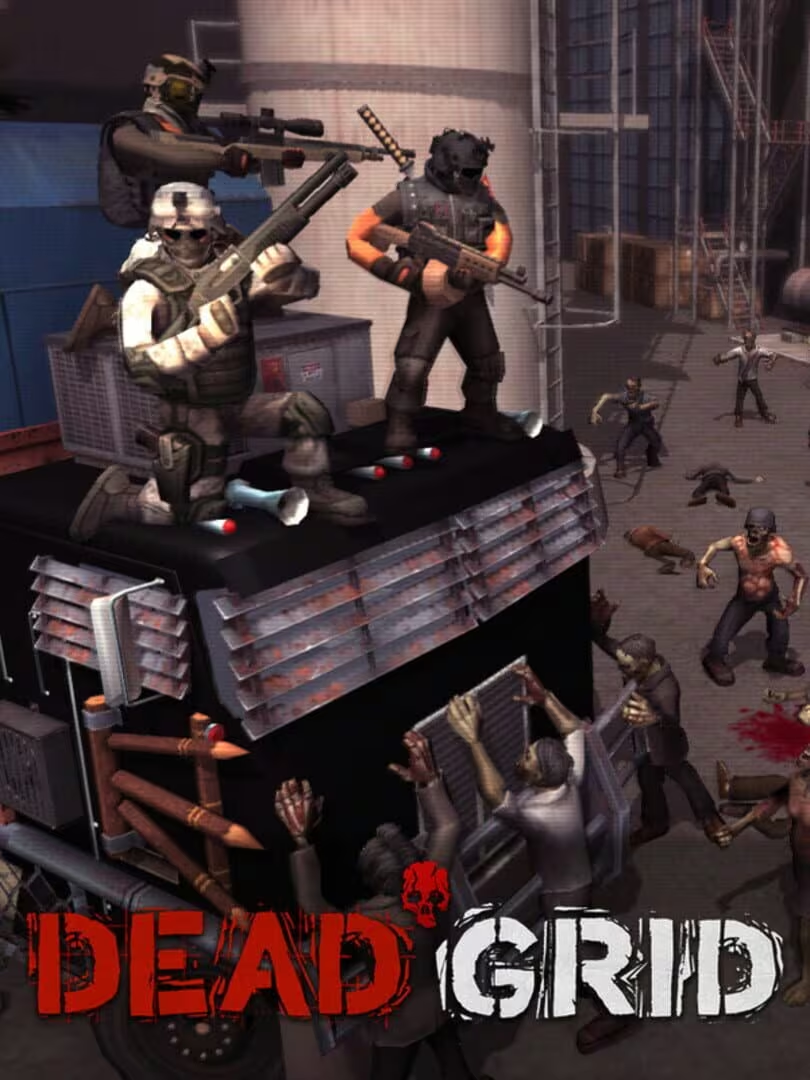
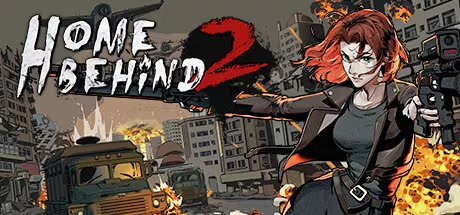
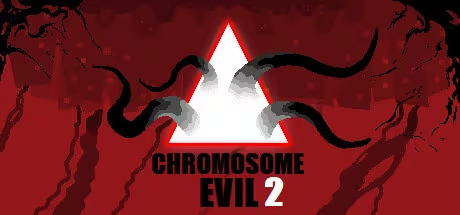
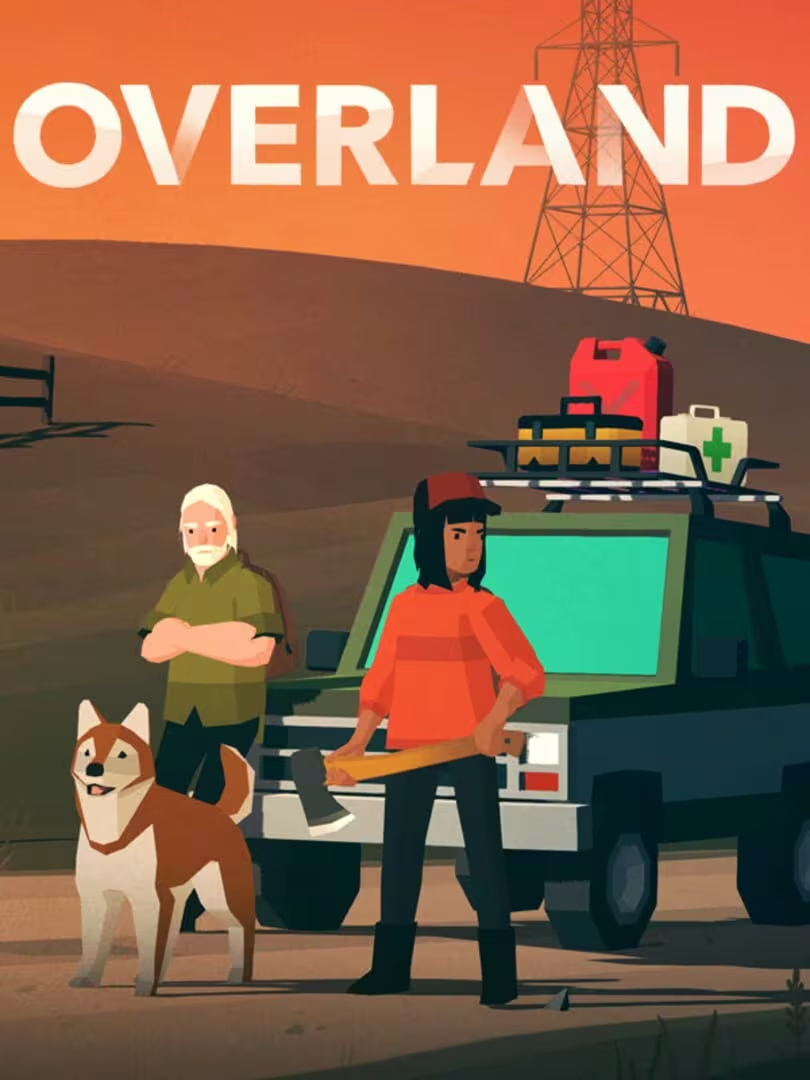
Dead State: Reanimated similar games & best alternatives
Dead State: Reanimated

PC (Microsoft Windows) • 2014

Related articles

Quick resume

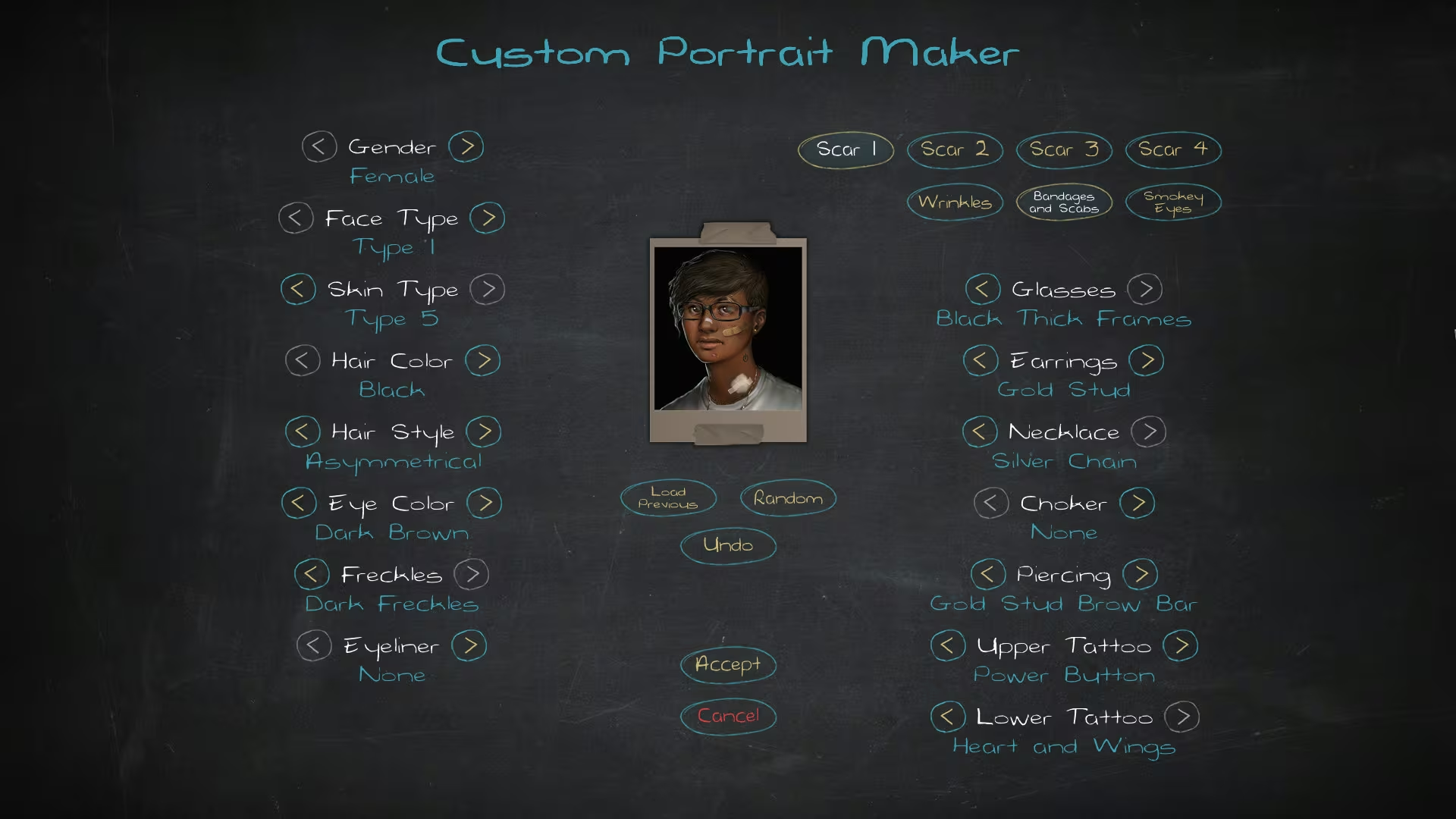
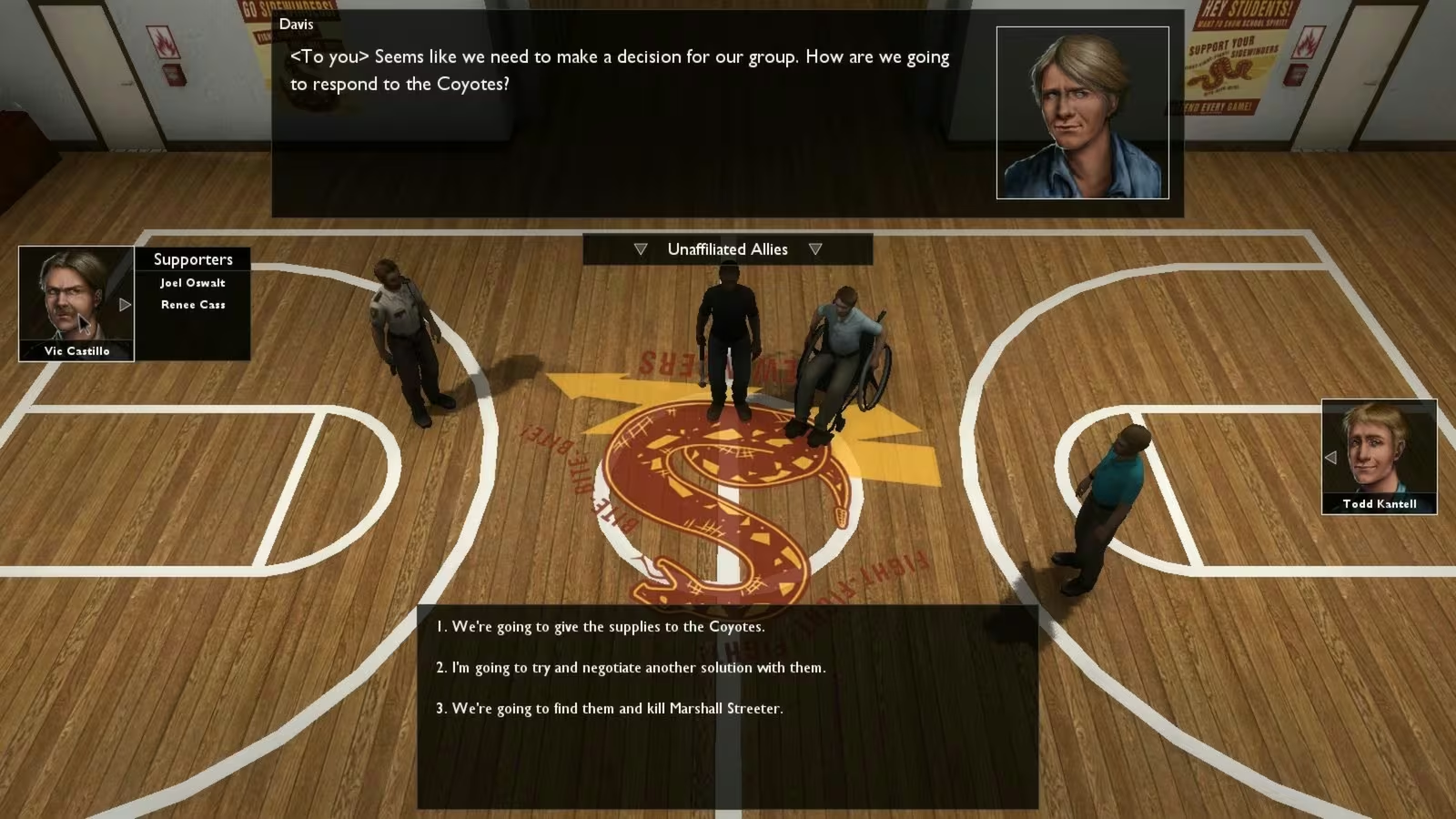
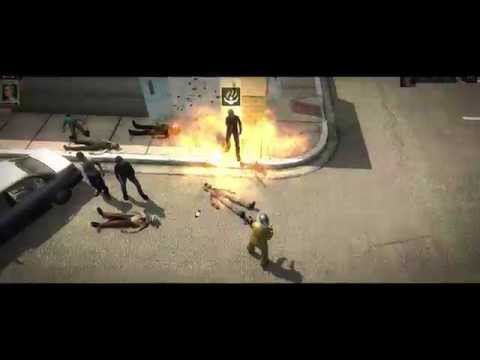
Dead State is a narrative-driven survival RPG set at the dawn of the undead apocalypse. Drawing inspiration from classic RPGs like Fallout, X-Com, and Suikoden, Dead State combines strategic, turn-based combat with base building mechanics, character creation, and social management.

Global score

73/100

Genres

Indie, Role-playing (RPG), Strategy

Similar games

    Pros

    • Deep tactical combat
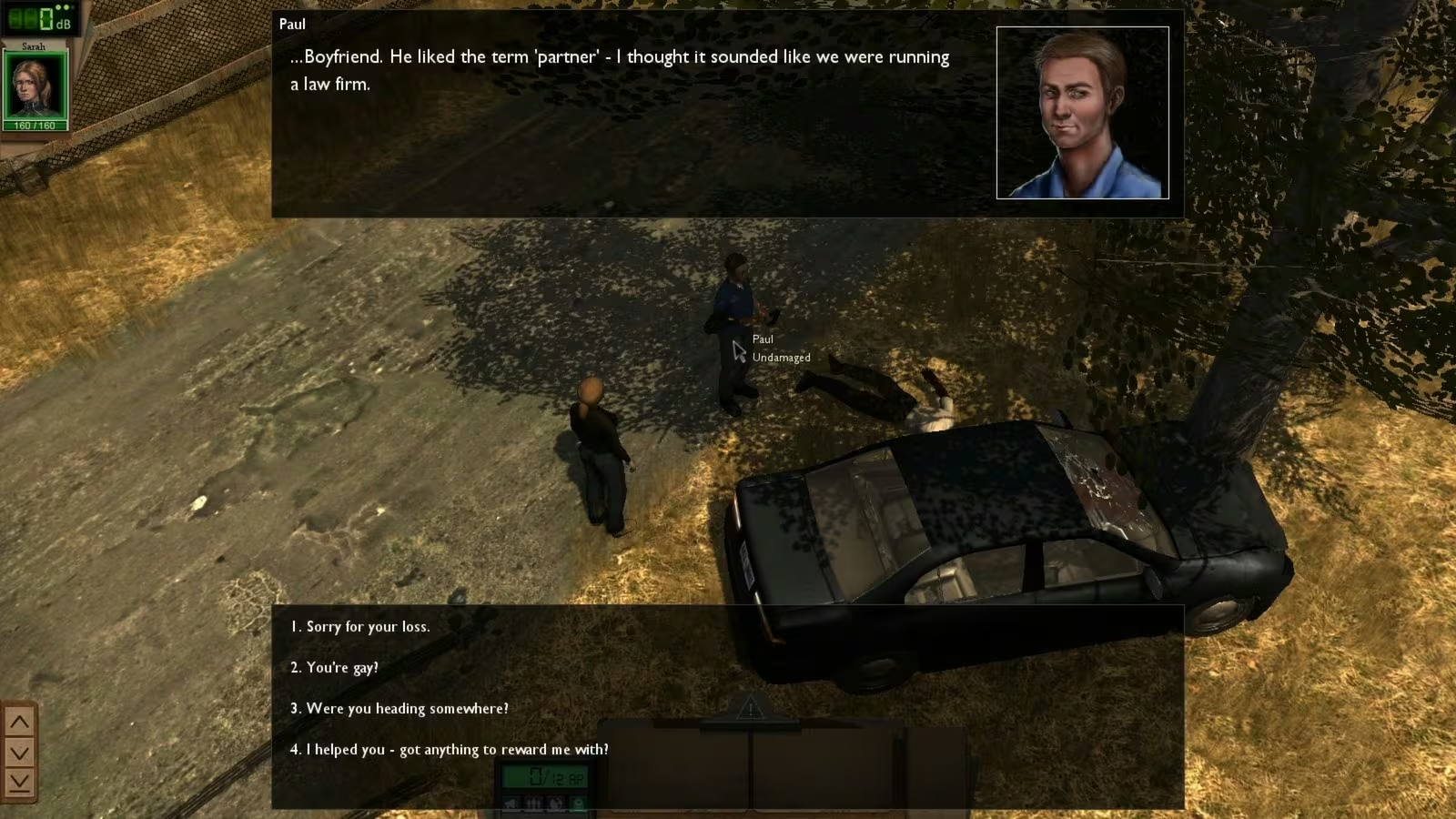
    • Rich character interactions and story
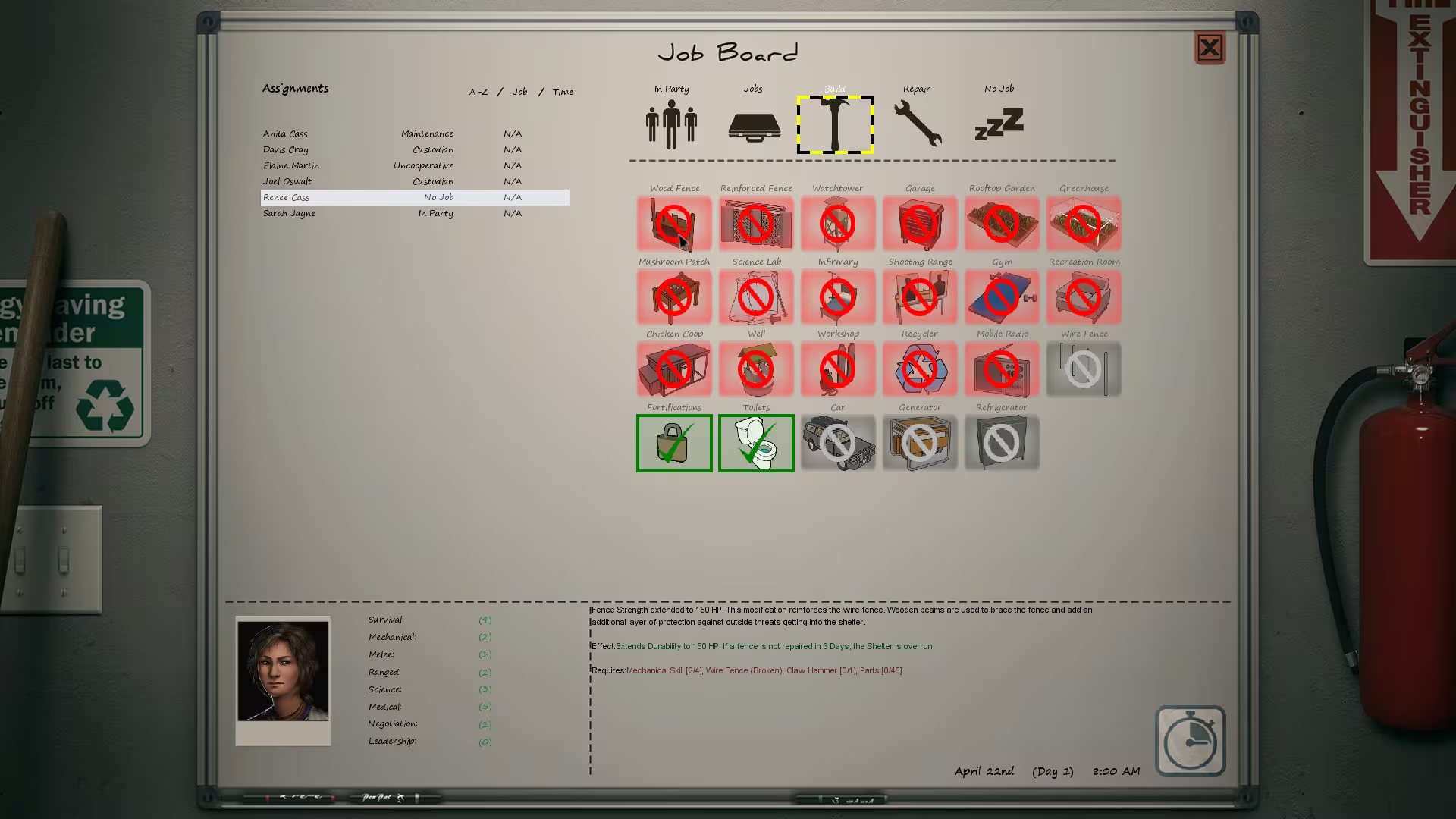
    • Immersive survival and base management
    • Large explorable map with varied locations
    • Long playtime and replay value

    Cons

    • Clunky user interface
    • Some bugs and crashes
    • Combat can be slow and repetitive
    • Limited stealth and cover mechanics
    • Endgame can become grindy and less challenging

    Analysis

    Less representative of its motivational profile, with noticeable differences. Motivations that often define this kind of title include Cooperation, Fellowship, Intimacy, Leadership. Here, the score leans higher than usual among comparable games on Leadership, Domination. It leans lower than usual among comparable games on Fantasy.

    How to use the graph
    Similar games map

    Each dot is a game. They are arranged from the same motivation profile as in the “Motivations” section below. Closer dots usually mean more similar reasons to play (exploration, competition, relaxation, etc.)—not that one game is “better” than another.

    • Larger dot with a light outline: the game you are viewing.
    • Colour: groups of games with comparable motivation patterns (statistical clusters).
    • Hover a dot to see the game name; click to open its page.
    • Scroll or double-click the chart to zoom out and see more games.

    Why don’t the axes read like a score? This view uses t-SNE: it only keeps who is close to whom. The scales are not “good to bad” or hours played—they separate groups on the map. Read distance between dots, not the axis numbers.

    Motivations

    • Autonomy
      3

      "Players can freely choose character stats, skills, and make leadership decisions affecting the group and base management."

    • Competence
      3

      "Turn-based tactical combat requires skill and strategy; base management and resource allocation add complexity."

    • Competition
      -3

      "Focus is on personal survival and group management rather than competing against other players."

    • Continuation
      4

      "Players report long playtimes, addiction to the game, and repeated returns despite some tedium and bugs."

    • Cooperation
      4

      "Strong emphasis on managing a group of survivors, assigning tasks, and balancing interpersonal relationships."

    • Creativity
      2

      "Players customize characters, build and upgrade the shelter, and choose how to manage resources and survivors."

    • Domination
      1

      "Leadership involves making tough decisions and managing conflicts, but interactions are mostly balanced."

    • Escapism
      4

      "Immersive post-apocalyptic setting provides strong escapism from real life."

    • Expectation
      -4

      "Players engage voluntarily out of interest and enjoyment, not obligation or external pressure."

    • Experimenting
      2

      "Players explore different strategies in combat and base management, though some routines exist."

    • Exploration
      3

      "Open world map with many locations to discover, loot, and encounter random events."

    • Expression
      2

      "Character creation and equipment visibly change appearance; base upgrades reflect player choices."

    • Fantasy
      -2

      "Realistic zombie apocalypse setting with plausible survival scenarios rather than high fantasy."

    • Fellowship
      4

      "Strong sense of community with survivors interacting, forming factions, and requiring leadership."

    • Growth
      3

      "Players develop character skills, improve base, and learn tactical combat over time."

    • Health
      -4

      "Primarily sedentary gameplay with no physical activity; focus on survival in a dangerous world."

    • Idle
      -3

      "Requires focused attention on tactical combat and base management; not a casual idle game."

    • Intimacy
      3

      "Players manage interpersonal relationships and morale among survivors with emotional depth."

    • Leadership
      5

      "Player acts as leader managing group dynamics, crises, and decision-making for survival."

    • Progression
      4

      "Collecting resources, upgrading shelter, and leveling characters drive progression."

    • Relaxation
      -2

      "Game involves sustained tension from survival challenges and managing crises."

    • Sensation
      1

      "Some sensory stimulation from combat sounds and visuals, but overall moderate sensory input."

    • Status
      -3

      "Focus on individual and group survival rather than social recognition or popularity."

    • Story
      4

      "Rich narrative with branching dialogue, character backstories, and evolving crises."

    • Strategy
      4

      "Strong emphasis on tactical combat, resource management, and decision-making."

    • Thrill
      3

      "Tense combat encounters and survival situations provide suspense and excitement."

    • Value
      4

      "Players report many hours of gameplay and good content for the price."

    • Violence
      3

      "Combat involves fighting zombies and hostile humans with weapons and melee."

    • Survival
      5

      "Core gameplay centers on managing resources, avoiding death, and overcoming threats."

    Last update: 29/04/2026